Last month’s weather and typical July trends impact our recommendations for the lawn and garden in Northeast, Florida. On July 2, Elsa became the first hurricane of 2021 to threaten Florida with tropical storm wind and rain causing us to lead the July lawn and garden tips with an emphasis on the importance of hurricane preparedness. The National Oceanic and Atmospheric Administration (NOAA) predicts 6-10 hurricanes in the 2021 season that started June 1 and ends on November 30. Florida receives the majority of these weather event impacts between mid-August and late October, according to NOAA, although it is currently past time to prepare for the worst and hope for the best.
Check your hurricane supplies, including provisions for your lawn and garden. Stake newly planted trees to prevent them from falling and causing personal injury or property damage—pruning of older trees and damaged ones before a storm can be a lifesaver. Cleaning leaves and debris from your roof gutters and assessing your drainage systems’ working order and effectiveness should be done to prevent flooding. Earth Works Landscaping Department can fix whatever drainage issues you have and do so in creative ways that provide beauty to the landscape and meet local codes designed to protect your property and the environment. Our “Hurricane Season Landscape Preparation” blog has more detailed, helpful tips focused on your landscape during tropical storms and hurricanes.
Rainfall for June in the Jacksonville area was heaviest on the Northside as reported by the National Weather Service (NWS) station at Jacksonville International Airport (JIA). June 24 alone saw nearly 3 inches of rainfall at JIA, contributing to 8.7 inches total, up one inch from the June average. By comparison, Craig Field in Jacksonville’s Southside saw a .63 inch deficiency from its June average for a monthly total of 5.65 inches. Jacksonville is expected to see about a half-inch increase in rain July over June totals and an additional inch in August and September based on monthly averages. With 20 rain days in June, the associated cloud cover kept high temperatures capped at 95F with a 55F degree low on June 1, the lowest recorded in June since 1984. Look for more of the same in July.
Northeast Florida is a large area, and rainfall totals per area can vary greatly. July lawn and garden tips recommend installing a rain gauge in your yard as an inexpensive tool that accurately measures the amount of rainfall your landscape receives. Consider using a smart sprinkler controller such as the Rachio 3 and Orbit B-hyve XR, which can automatically adjust watering schedules based on weather station data and hyper-local conditions.
What Can We Plant in July? July lawn and garden tips encourage use of heat-loving cacti and succulents in your garden. Matt Barlow, Earth Works Garden Center Manager, showcases in a recent Earth Works youtube video these easy care plants for Summer planting in Northeast, Florida. –Flapjack Succulent, Kalanchoe luciae has an interesting texture and color. They will get several feet tall and flower while adding architectural interest to your cacti and succulent garden. –Crown of Thorns, Euphorbia milii, and Euphorbia Milii Var. splendens are two varieties we offer. These are a rugged option that can bloom non-stop year-round. There are very few plants I can say that about. Get them in plenty of sun, and they will bloom repeatedly. –Yucca Cane, Yucca guatemalensis, these guys can take a range of sun conditions outdoors or as a houseplant. –Ponytail Palm, Beaucarnea recurvata, is not a palm, but succulent that needs little to no care. –Queen of the Night, Cereus peruvianus are show-stopping night bloomers that bring a lot of interest to the garden and are very easy to grow. –Hedgehog aloe, Echinocereus engelmannii is one of many aloe varieties we carry. They put up a flower spike covered with coral-covered tubular flowers that attract pollinators, hummingbirds, and even small birds will perch on the stems and drink the nectar. –Desert Rose, Adenium obesum I have a special place in my heart for. I have one that’s been in my collection for almost 20 years. They are slow growers requiring protection from frost in the Winter and provide plenty of sunshine in Summer while protecting from overwatering. –Twin-Flowered Agave, Agave geminiflora looks completely different than the other agaves that people are accustomed to seeing. They have spaghetti-strapped leaves with a slow to moderate growth rate and easy to grow without much care. –Pencil Cactus, Euphorbia tirucalli, Pencil-like tubular leafless stems with a texture that’s different from everything else you’ll have in the garden. Protect from frost and freezing, though, as they are not cold hardy. -Prickly Pear Cactus, Opuntia, are paddled cacti with varieties native to Florida. They flower and produce edible fruit. They make an excellent garden focal point.
Additionally, the heat of our Summer is a good time to consider adding tropical plants such as hibiscus, Ixora, Bird of Paradise, and Mandevilla. Those tropicals will be featured each week of July as Plant of the Week wherein we offer a 10% discount on those purchases.
What lawn care concerns are there for Northeast Florida in July? During the Summer months, be aware of any county Fertilizer Blackout prohibitions and restrictions on use of nitrogen and phosphorus on your lawn. Duval & St. Johns counties have restrictions on fertilizer use to protect against algae blooms and mass fish kills. The City of Jacksonville recommends that “Fertilizers shall be applied to Turf and/or Landscape Plants at the lowest rate necessary. Nitrogen shall not be applied at an application rate greater than 0.7 lbs of readily available nitrogen per 1000 ft 2 at any one time based on the soluble fraction of formulated fertilizer, with no more than 1 lb total N per 1000 ft 2 to be applied at any one time and not to exceed the annual nitrogen recommendations below:
Bahia grass, 2—3 lbs. N/1000 ft 2 /year. Bermuda grass, 3—5 lbs. N/1000 ft 2 /year. Centipede grass, 1—2 lbs. N/1000 ft 2 /year. St. Augustine grass, 2—4 lbs. N/1000 ft 2 /year. Zoysia grass, 3—5 lbs. N/1000 ft 2 /year.” To learn more about fertilization regulations in Duval County see City of Jacksonville Chapter 366 Ordinance Code Section 366.600. St. Johns County fertilizer regulations can be viewed under Fertilizer Guidelines & Restrictions.
Suppose you fertilized your lawn in Spring and it appears to still be suffering. In that case, we recommend aeration and top dressing as cultural practices that alleviate compaction and replenish soil fertility that can better provide for the beautiful lawn you expect. Chad Lakin, Earth Works Lawn Care Operations Manager can have your property measured to exclude flower beds, patios, and impervious areas not to be treated and provide a quote upon request.
What Pests are we seeing in June and July? Where there is stagnant water there are mosquitos. So be sure to empty any standing water to ward off the mosquitos during rainy season. Southern chinch bug, Blissus insularis were well established in untreated lawns of Northeast Florida due to drought conditions in May, a month when most of Jacksonville received only about a half-inch of rain. However, chinch bugs persist during wet months, as do other pests and some experts fear pests adaptations and increased prevalence due to the Florida climate. “Chinch bugs are known to be more of a residential lawn pest, but the past couple years, we’ve seen more incidences of chinch bugs damaging golf course turf,” says Adam Dale, Ph.D., assistant professor of entomology and nematology at the University of Florida. “Drought and full sun conditions promote chinch bug abundance and damage, and proper irrigation and maintaining proper soil moisture and turf health are the best practices to keep the bugs at bay. Fertilization is also a factor to consider. “Research has shown that nitrogen fertilization rates are positively correlated to chinch bug abundance — so I would tell superintendents to be mindful of how much nitrogen they’re putting out,” Dale says.” That’s all the more reason to limit lawn fertilization in summer.
Sod webworms are likewise being seen around Northeast Florida at this time. Bifenthrin is a pyrethroid insecticide that’s available and widely recommended for controlling sod webworms and fire ants. Bifenthrin applications target sod webworm larvae, which cause damage as they feed on the grass blades. “The moths are not the issue, and there is no practical way to control them,” according to Dan Gill, The Times-Picayune garden columnist. “It’s the sod webworm caterpillars that damage lawns. Any insecticide treatments to the lawn are meant to deal with them — not to control the adult moths. They’re a nuisance at best.”
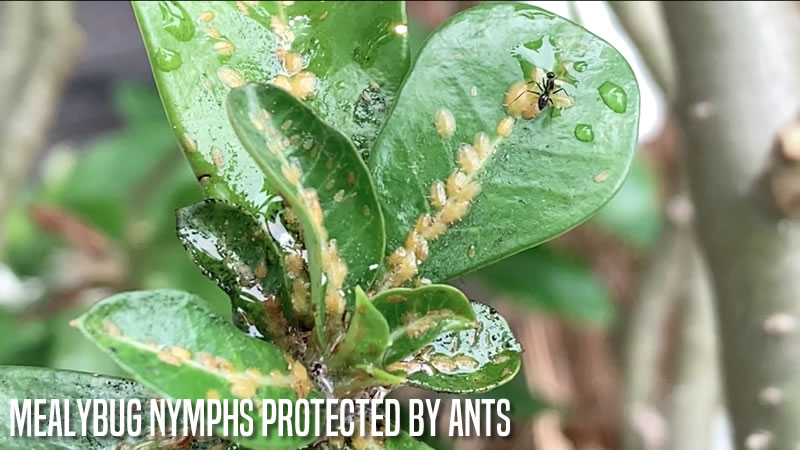
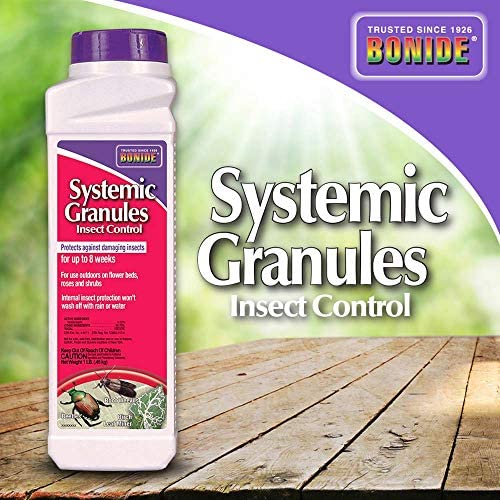
Bacillus thuringiensis (BT) is a biological control for the caterpillar stage of sod webworms and other pest caterpillars such as Datana major, Azalea moths that were seen on area azaleas the first week of July. Mealybugs and aphids are defoliating plants protected by ants that farm them in our gardens. Insecticidal soaps, neem oil, and systemic insecticides can be used effectively against them. For more detailed treatment protocols see our Preventing Mealybug Infestation blog, call or visit the garden center and bring photos of the affected area and/or pests. July lawn and garden tips encourage regular inspection of your plants between rain events checking for these pests that can quickly destroy your plants and all your hard work.
Datana major, Azalea moth caterpillars
For comprehensive solutions to your specific lawn, garden and landscaping need contact Earth Works of Jacksonville online and at 904-996-0712. Earth Works operates a retail Garden Center/Plant Nursery in Jacksonville and provides landscaping, hardscaping, water features, lawn care service, lawn spraying, and drainage solutions. Contact us with your questions and to book design consultations.
Proudly serving clients in Northeast Florida including Jacksonville, Ponte Vedra Beach, Atlantic Beach, Neptune Beach, Jacksonville Beach, Nocatee, St. Johns, Fleming Island, Orange Park, Middleburg, Green Cove Springs, Amelia Island, Fernandina, and St. Augustine.
Let’s Celebrate Pollinators! International Pollinator Week is June 21 -27, 2021. There is so much to cover about these invaluable garden friends. Let’s get started!
Why do we need pollinators? Birds, bats, bees, butterflies, beetles, and other small mammals that pollinate plants are responsible for bringing us one out of every three bites of food. They also sustain our ecosystems and produce our natural resources by helping plants reproduce. Pollinating animals travel from plant to plant carrying pollen on their bodies in a vital interaction that allows the transfer of genetic material critical to the reproductive system of most flowering plants – the very plants that
bring us countless fruits, vegetables, and nuts,
½ of the world’s oils, fibers, and raw materials;
prevent soil erosion,
and increase carbon sequestration
This nearly invisible ecosystem service is a precious resource that requires attention and support – – and in disturbing evidence found around the globe, is increasingly in jeopardy. Pollinator Partnership, 2021. “Pollinators need you. You need Pollinators.” Published by Pollinator Partnership, San Francisco, USA. www.pollinators.org
What is Pollination? When a pollen grain moves from the anther (male part) of a flower to the stigma (female part), pollination happens. This is the first step in a process that produces seeds, fruits, and the next generation of plants. This can happen through self-pollination, wind and water pollination, or through the work of vectors that move pollen within the flower and from bloom to bloom.
Join the Buzz! Share your love of pollinators on our page and spread the word!
Click here and share the favorite POLLINATOR PHOTO you have taken in the comment section. Post by June 20, 2021 for a chance to win this fun Earth Works’ Pollinator Kit. Or post on instagram earth.works #ewpollinatorphotocontest #pollinatorhealth #pollinatorweek #pollinatorgarden
International Pollinator Week Pollinator facts: Our pollinators are in trouble with declining numbers worldwide. There are multiple causes including, habitat loss, pesticide use, invasive plants, climate change, and diseases.
In Florida, we have 300 native bees, 160 butterfly species that breed here and about 200 species that migrate through the state, and 3 commonly seen hummingbird species.
Bees are our most efficient pollinators. Practicing “flower Constancy,” searching for certain plants on their foraging trips. They go to and from the same species of flower. Pollinating a third of the world’s food supply.
Searching for nectar, butterflies pick up pollen and accidentally pollinate, not quite as efficient as the honeybee. Yet, several plant species, like milkweed and other wildflowers, depend on butterflies to transfer their pollen.
Hummingbirds are hungry creatures feeding most of the day. This makes them perfect pollinators for many flowers. Certain flower varieties have evolved to become even more appealing to these tiny birds. Gardening for Pollinators in your own yard can help! As natural habitats are being destroyed to accommodate new development, the importance of gardening to assist bee and butterfly populations is growing. Planting a pollinator garden in your yard helps combat this loss of natural habitats.
Selecting the right plants for your Pollinator Garden
BEES: Honeybees prefer white, yellow, purple, and blue flowers — they can’t even see the color red! Bees also need a nice-sized landing pad, so broad petal, daisy-like flowers are best. Finally, they need both pollen and nectar to feed the hive. So fruit-producing trees and shrubs, as well as native plants, fill the bill. BUTTERFLIES: If you want a well-attended butterfly party in your yard, invite your local butterfly species by planting their favorite host plants! Butterflies require specific host plant species to lay their eggs on, along with food and shelter. Then add some nectar plants, preferably with red, orange, yellow, and pink trumpet-shaped flowers, to feed your guest. HUMMINGBIRDS: Brightly colored, preferably red, tubular flowers that hold the most nectar are particularly attractive to hummingbirds. Plant these sugar-rich plants near and around your home and patio areas for the best opportunity to view these elusive and amazing birds.
Thank you to everyone who submitted to the Earth Works International Pollinator Week Photo Contest!
Plus, remember that for comprehensive solutions to your specific lawn, garden and landscaping need contact Earth Works of Jacksonville online or at 904-996-0712. Earth Works operates a retail Garden Center/Plant Nursery in Jacksonville and provides landscaping, hardscaping, water features, lawn care service, lawn spraying, and drainage solutions.
Proudly serving clients in Northeast Florida including Jacksonville, Ponte Vedra Beach, Atlantic Beach, Neptune Beach, Jacksonville Beach, Nocatee, St. Johns, Fleming Island, Orange Park, Middleburg, Green Cove Springs, Amelia Island, Fernandina, and St. Augustine.
Regular observation and timely corrective actions are the keys to preventing mealybug infestation that unchecked can kill your affected plants. A staff member’s Desert Rose appeared pest-free during May’s dry weather, but in June quickly became heavily infested with multiple stages of the mealybug life cycle. Silky cocoons appeared at the base of stems and flower buds as adult females scurried about and immature crawlers (nymphs) settled into gelatinous protected coverings littering the leaf surfaces with ants on patrol protecting and farming them. While feeding with their piercing mouthparts mealybugs excrete toxins into the plant and dump their honeydew waste on leaf surfaces that attract ants and fungus that in turn reducing sunlight and required photosynthesis for the plant.
What do mealybugs look like? Mealybugs in their immature nymph stages look like scale and are closely related to them and aphids. Over 275 species of mealybugs are distributed everywhere in the world except Antarctica. Mealybug adult females are oval, white, and mobile, while mouthless winged adult males are rarely seen during their one or two-day life span that’s spent focused strictly on mating.
Where do mealybugs live? Mealybug occurrences are common in the garden and on houseplants with the mobile females scurrying about under leaves, around their silky cocoons, stems, even plant roots with mealies readily moving from one plant to another. Mealies feed on many ornamental plant varieties, citrus, lawn turf and threaten greenhouse horticultural operations. They also have a highly specialized commensal relationship that ecologists find fascinating. “In this study, the fire ant Solenopsis invicta was found to take advantage of the shelters constructed by the leaf roller Sylepta derogata to protect mealybugs (Phenacoccus solenopsis) against their natural enemies,” according to scientists at the South China Agricultural University, Guangzhou, People’s Republic of China. “This protective effect of fire ant tending on the survival of mealybugs in shelters was observed when enemies and leaf rollers were simultaneously present. Specifically, fire ants moved the mealybugs inside the shelters produced by S. derogata on enemy-infested plants.”
How do I get rid of mealybugs? Regular observation and having an action plan for dealing with threats before they get out of hand is the best approach to preventing mealybug infestation and resulting damage. Mealybugs can be removed manually and sprayed into a bucket for removal to avoid the same individuals returning to re-infest plants. Besides strictly using water Insecticidal soap and horticultural oil provide the next lowest environmental impact in mealybug management having no residual toxicity after dry that as a result protects other beneficial insects and pollinators. Neem tree seed extract is commercially available as neem oil containing azadirachtin that kills mealies, but is indiscriminate also killing beneficial insects and is moderately toxic to fish and amphibians, requiring overspray protection for water bodies and other potentially impacted areas.
Insecticide treatment options include Bonide systemic insecticide containing dinotefuran available in granules and spray. Additionally, Ferti-lome Tree & Shrub drench, is an effective foliar treatment for mealybugs, which is taken up by the roots and provides protection internally throughout the year. “Cover-spray applications of broad-spectrum insecticides often lead to secondary pest outbreaks,” according to the University of Florida. “Scale insects and mealybugs are secondary pests that may increase following such disturbances to the ecosystem balances in a landscape. For this reason, we often see more scale insect and mealybug outbreaks in landscapes that have been exposed to intensive broad-spectrum insecticide applications.” Biological controls include Cryptolaemus montrouzieri, a brown lady beetle common name ‘Mealybug Destroyer.’ Their young are able to feed on the mealies without being attacked by the ants guarding them. As with introducing any variety of beneficial insects to the garden, there can be predation of them by other animals and suitable amounts of prey must be available for them to stay.
There are two varieties known varieties of mealybugs that affect turfgrass in Florida. Rhodesgrass mealybugs attack Bermuda and St. Augustine grass. Tuttle mealybugs are believed to mostly impact zoysia grass. “Systemic products like neonicotinoids are preferred because they have longer residual activity inside plant tissue,” according to the University of Florida. “Several combination products that contain pyrethroids and neonicotinoids (e.g. bifenthrin + imidacloprid) may provide initial high knock-down rates followed by longer systemic control.” Thus, while we cannot expect to permanently rid our lawns and gardens of mealybugs, we can manage their numbers and reduce the damage threat by preventing mealybug infestation. In the case of the staff member’s Desert Rose due to the extent of its infestation neem oil was applied (two tablespoons of neem oil per gallon of water) to leaves, stems, and trunk, which will be repeated in seven to 10 days until satisfactorily under control. Garden Center Manager Matt Barlow recommendation for long-term control is use of the Bonide systemic insecticide as he does with his desert roses, which he’s found has been quite successful.
Mealybugs are a threat to a variety of plants in our Florida gardens. Soft stemmed perennial foliage plants are particularly susceptible to mealybugs such as this clients’ coleus.
For comprehensive solutions to your specific lawn, garden and landscaping need contact us online or at 904-996-0712. Earth Works operates a retail Garden Center/Plant Nursery in Jacksonville and provides landscaping, hardscaping, water features, lawn care service, lawn spraying, and drainage solutions.
Happy Gardening!
Proudly serving clients in Northeast Florida including Jacksonville, Ponte Vedra Beach, Atlantic Beach, Neptune Beach, Jacksonville Beach, Nocatee, St. Johns, Fleming Island, Orange Park, Middleburg, Green Cove Springs, Amelia Island, Fernandina, and St. Augustine.
Flooding, erosion of topsoil, uprooted trees, and fungal diseases are soggy yard problems Earth Works strives to fix for Northeast Florida residents. Jacksonville’s June rainfall totals are below average, according to the National Weather Service. Still, some Northeast Florida neighborhoods have experienced torrential rain with flash floods complicated by drainage problems. “Several streets in Jacksonville were flooded Sunday as a severe thunderstorm warning was issued for Duval County, followed by a flash flood warning,” according to News4Jax.com. “Just before 6:30 p.m., the Jacksonville Sheriff’s Office reported that Roosevelt Boulevard was closed at Edgewood Avenue due to flooding. Shortly after 5 p.m., there was flooding at Bay and Main streets in downtown Jacksonville. The National Weather Service Jacksonville said it appeared that at least 3-6 inches had collected on the roads at that intersection.”
Drainage Fixes: Jacksonville was experiencing drought conditions in May that, when followed by excessive rain, cause an increased rate of erosion. Addressing flood waters and soil erosion on your property requires properly engineered drainage solutions for your impervious surfaces, including roofs, driveways, decks, patios, and water gardens. Fundamentally, drainage is removing water from an area. However, stormwater regulations developed to protect the environment and prevent flooding restrict the percent of your property that can be built upon with impervious structures and the extent of required onsite stormwater storage. Allowable drainage systems include gutters, French drains, channel drains, swales, permeable paving material, and storm drains. Earth Works landscape designers regularly consult with clients to fix these soggy yard problems that meet stormwater requirements.
Also, while monitoring the amount of rainfall in your lawn and garden, consider cutting back your lawn watering schedule and adjusting your sprinkler timer accordingly.
Tree Staking: Tree damage is one of the principal soggy yard problems. Tree staking protects newly planted tall trees from excessive rain that softens their roots grip while preventing wind from blowing them over, resulting in tree and property damage. Six months to one year is the typical time recommended for staking newly planted trees such as palms and other tall, heavy trees. While most plants don’t require staking, even naysayers must admit that tomato plants can benefit from staking. Earth Works Landscaping division stakes large trees for its clients and the garden center stocks staking kits.
Fungus: Fungal treatments become necessary as the fungus is one of the prime soggy yard problems. We see powdery & downy mildew, black spot, brown patch, leaf spot, and a blight on vegetable plants, fruit trees, shrubs, ornamentals, shade trees, and lawns. Bonide Copper Fungicide and Neem oil are both approved for organic gardening and are available at the garden center. Additionally, the Earth Works Lawn Care division can diagnose and treat fungus in your lawn. Turf fertilization, disease, weed, and pest control INSTANT QUOTES are available.
Plus, remember that for comprehensive solutions to your specific lawn, garden and landscaping need contact Earth Works of Jacksonville online and at 904-996-0712. Earth Works operates a retail Garden Center/Plant Nursery in Jacksonville and provides landscaping, hardscaping, water features, lawn care service, lawn spraying, and drainage solutions. Proudly serving clients in Northeast Florida including Jacksonville, Ponte Vedra Beach, Atlantic Beach, Neptune Beach, Jacksonville Beach, Nocatee, St. Johns, Fleming Island, Orange Park, Middleburg, Green Cove Springs, Amelia Island, Fernandina, and St. Augustine. Happy Gardening!
This new paver driveway improves curb appeal, value, and satisfaction for this Jacksonville Beach homeowner. “John (Cacchione) came up with a wonderful plan,” said Homeowner Faith Stone. “And I met with him and reviewed the plan and said this is it.” The plan included tearing out and removing the existing concrete driveway and replacement with Tremron glacier colored 12” x 24” pavers in the Park Plaza style and landscaping. “It has transformed our house,” said Stone.
Pavers are attractive, safe, and considering permeability, they are better for the environment than poured concrete which has a shorter average lifespan before cracking. “I see that a lot, with new homes, some of the older buildings, even some of the new projects with concrete driveways are cracked with trees by them, with heavy machinery on them, with water from the roof eroding underneath them,” said John Cacchione, Earth Works landscape designer. “The pavers are a good replacement.”
Cracked and uneven concrete driveways leave bad first impressions as they are an eyesore, tripping, and driving hazard. “Beyond the installation, a paver driveway is a better investment because it lasts longer and adds curb appeal to your home,” says Home Advisor. “The average paver driveway lasts between 30 and 50 years. Pavers are up to four times stronger than poured concrete, meaning they can support four times as much weight. Slabs tend to crack over time, while pavers can come loose individually.”
Tremron Glacier, Park Plaza style pavers are available in 2 3/8” and 4” thick options. Other Park Plaza paver size options include 8”x8”, 8”x12”, 12”x12”, 16”x16”, and 24”x24”. “So we’ve got the four-inch-thick paver, and we’ve got a six-inch base of Krush Krete underneath all of that,” said Cacchione. “That was unique to this job, and we’ve got a cool border here too where we normally do a single border here we did a little double border. It gives you just a nice imprint of that contrasting color.”
Raised edging and borders are options for driveways with practical benefits, including less grass intrusion onto the pavers. It keeps vehicles on the driveway rather than in the landscape. Flat edging and borders provide aesthetic value with endless design possibilities. “Versus just a single band (border), you can do the double band,” said Cacchione. “You can do a triple band. I like to do the little sandwich band, I call it. So you take two 6”x9” pavers, and you sandwich another little thin paver between them. It’s a really pretty look. So dressing up your borders like that is really a nice way to dress up a driveway. You can do that on existing concrete driveways too. It doesn’t have to just be pavers. You could come in with a paver border, a paver apron, and then some paver bands that we cut into the concrete to enhance what you already have. You don’t have to tear out everything.”
We recommend widening sidewalks to front doors when replacing driveways as builders commonly construct them 36” wide, which isn’t pedestrian-friendly for two people walking together to a porch or front door. We enhanced the entrance, so it’s really big now,” said Cacchione. “It gives you that sense of welcomeness to the front door.”
With age and use, driveways require maintenance and eventual replacement that reflects on home value. “The National Association of Realtors surveyed homeowners, landscape professionals, and Realtors to evaluate how certain outdoor remodels contributed to resale,” according to Homelight.com. “Upgraded hardscape and landscape design both placed in the top four projects that buyers find appealing and that Realtors agree can add resale value.”
High and low gloss sealers are available for your new driveway, along with rust remover, rubber, paint, and tar removing cleaners. “The glossy sealer will give you that wet look all the time,” said Cacchione. “You do have to reapply that every 3-5 years based on your wear and tear. So the sealer will lock that look in place, or we can do a matt finish, which will give you not the glossy finish, but the finish when it is dry. I do recommend the sealer. I do recommend you reapply it. It’s going to be a lot easier to clean your surfaces off if you’ve got that coat of sealer on the paver.”
This Jacksonville Beach client trusts Earth Works for various services that started with a visit to the garden center where she purchased plants and met Cacchione. That friendly business relationship blossomed into providing landscape design plans and a beautiful driveway that met and hopefully continue to exceed her expectations.
Just as this driveway improves curb appeal, value, and satisfaction count on Earth Works of Jacksonville with all your landscaping, hardscaping, drainage, water gardening, and lawn care needs. Earth Works operates a retail Garden Center/Plant Nursery in Jacksonville and provides landscaping, hardscaping, water features, lawn care service, lawn spraying, and drainage solutions. Contact us with your questions and to book design consultations.
Proudly serving clients in Northeast Florida including Jacksonville, Ponte Vedra Beach, Atlantic Beach, Neptune Beach, Jacksonville Beach, Nocatee, St. Johns, Fleming Island, Orange Park, Middleburg, Green Cove Springs, Amelia Island, Fernandina, and St. Augustine. Happy Gardening!
As a key feature of the pool landscaping design process, Earth Works recommends budgeting 10% of your pool construction costs to landscaping. Pool landscaping is often an afterthought not considered until the pool contract is signed, under construction, or completed. A beautiful pool landscape design is the finishing touch on a real estate upgrade. HOA’s often require landscaping plans as part of their pool review approval process. Clients can prepare their pool landscape design simultaneously with the pool design or take a phased approach handling aspects of the landscape project, such as drainage and grading for the landscape prior to completion of the pool installation. Phasing in the overall landscape design can save money completing parts of the project immediately after the pool shell, deck, and plumbing are complete.
Earth Works landscape designers consult with each client at their property, listening and asking questions, taking photos, and providing from that meeting landscape design drawing. Aspects of the landscape design include drainage, irrigation, landscape tear-out, and installation of trees, shrubs, flower beds, sod, landscape lighting, and water features. Handling all aspects of these essential elements of the landscape design with one company rather than half a dozen reduces the client’s potential frustration from dealing with too many companies simultaneously working on their property. It saves clients money by developing the pool and landscape plan simultaneously. Avoid duplicitous labor and material expenses by timing drainage, irrigation, and grading between pool contractor and landscape designer.
The pool landscape design development requires that the designer receive a copy of the clients’ property survey, site plan, and pool construction plan. Additionally, the designer needs to know the location of new and existing lines for electric, gas, irrigation, plumbing, and sound system.
Process considerations include: -Irrigation capping and replacing associated pipes and hardware is recommended as existing lines could be broken after the pool is excavated and installed. -Drainage work can begin once the pool shell is installed and plumbing lines are buried before any landscaping. Drainage planning is critical prior to a new pool being installed as there is less lot surface area to absorb water and, if done poorly, can result in the house, pool, and property flooding. Consider connecting downspouts from roof to drainage to flow away from house and pool deck.
-Grading for irrigation and new landscape design can begin after drainage work is complete. -Tear-out and removal of old landscaping and installation of new landscaping are completed after pool construction is complete and their equipment is removed.
Earth Works of Jacksonville design process typically requires 2-6 weeks depending on the complexity of the project and time of year. Earth Works provides pool landscaping separately from the pool contracting process although we have strong working relationships with pool builders throughout Northeast Florida including Pratt Guys. For more about the Earth Works design consultation process, view the following video highlighting each step in the journey.
Building An Asian themed Koi Pond Poolside in Jacksonville
Water Feature Completes Backyard Poolside Oasis!
Water Garden Construction, Landscaping, And Drainage
Plus, remember that for comprehensive solutions to your specific lawn, garden and landscaping need contact Earth Works of Jacksonville at 904-996-0712. Earth Works operates a retail Garden Center/Plant Nursery in Jacksonville and provides landscaping, hardscaping, water features, lawn care service, lawn spraying, and drainage solutions. Proudly serving clients in Northeast Florida including Jacksonville, Ponte Vedra Beach, Atlantic Beach, Neptune Beach, Jacksonville Beach, Nocatee, St. Johns, Fleming Island, Orange Park, Middleburg, Green Cove Springs, Amelia Island, Fernandina, and St. Augustine. Happy Gardening!
Between June and September, Jacksonville receives as much precipitation as the other eight months combined, which brings not only lush lawns and gardens, but mosquitos, chinch bugs, and fungus. During extended periods of rainfall, cut back your automatically timed irrigation scheduled watering. Soil aeration, fertilization, and cultural practices, including cutting lawn turf at the proper height and watering at the appropriate time of day, all reduce the threat posed by summer lawn and garden pests and pathogens. While taking measures to remedy these threats to the lawn and garden we discourage overuse and runoff of treatments that can harm beneficial plant and animal species and the environment.
Mosquitos quickly get our attention biting exposed skin after hatching from stagnant water in as little as 24 hours. To minimize the health threat from mosquitos eliminate stagnant water collection receptacles in the landscape. Properly maintained ponds and water gardens are NOT breeding grounds for mosquitos. Still, birdbaths and bogs without filtration or aeration can be a mosquito haven that’s remedied with Mosquito dunks, the solid form of Bacillus Thuringiensis. Low-lying areas of the landscape that hold water also serve as a breeding ground for mosquitos. When mosquitos are present, avoid getting bit with a non-oily application of Natures Way All Natural Repellant, which kills and repels nuisance flying insects and is safe for people, pets, and the environment.
Southern chinch bugs are ever-present in the Northeast Florida environment. Their 3-4 life cycles per year cause damage in full sun and drought conditions, especially to St. Augustine lawn turf. Proper timing and application of pesticides are critical to addressing the threat from chinch bug eggs along with nymphs and adults. Increasing irrigation and dumping high nitrogen fertilizer on chinch bug-infested turf can cause more harm than good to the landscape and environment. Contact the Earth Works lawn care division for professional fertilization, disease, weed, and pest control service. Get Your Free Quote.
Fungal pathogens, including mold and mildew that prey on lawn and garden plants, are of particular concern during the rainy season. However, other fungi species, including mycorrhizae, are beneficial to plants and animals, demonstrating the importance of good cultural practices to only rid your garden of fungal pathogens. Take care of your soil with periodic aeration and soil amendments combined with targeted fungicide treatments available at Earth Works Garden Center to remedy downy and powdery mildews, root rot, and various other fungi in the lawn and garden. Also, ask the Earth Works lawn care division for a quote on such services.
Mosquitos, chinch bugs, and fungus are a threat with lush lawns the same as for rutted-up ones that hold water.
Plus, remember that for comprehensive solutions to your specific lawn, garden and landscaping need contact Earth Works of Jacksonville online and at 904-996-0712. Earth Works operates a retail Garden Center/Plant Nursery in Jacksonville and provides landscaping, hardscaping, water features, lawn care service, lawn spraying, and drainage solutions. Proudly serving clients in Northeast Florida including Jacksonville, Ponte Vedra Beach, Atlantic Beach, Neptune Beach, Jacksonville Beach, Nocatee, St. Johns, Fleming Island, Orange Park, Middleburg, Green Cove Springs, Amelia Island, Fernandina, and St. Augustine. Happy Gardening!
June lawn and garden tips for Northeast Florida start with the recognition that Summer begins on June 20. This is also the Summer Solstice, the longest day of the year as the Sun is at its highest point in the sky. June 1 is the first day of hurricane season. Rainfall totals for Jacksonville between January and June 2021 were 17”, which is one inch above average. However, May was a dry month with less than a half-inch of rainfall, with most of the monthly totals coming in February and April. As a result, the soil is dry and irrigation and hand watering crucial. Fortunately, the chance of rain increases each day of June historically to the greatest daily likelihood coming at the end of July. June is typically a wet month averaging nearly six inches of rainfall, with last year’s total being 8.9 inches. In June 2012, Jacksonville received over 21 inches of rain, with 12 inches of it associated with Tropical Storm Debby. Rain is good, but not too much.
June’s climate in Northeast Florida is typically prime time for planting a wide assortment of warmth and full sun-loving flowering plants and shrubs. Rising soil and air temperatures of spring and early summer make for good conditions for planting palms and drought-tolerant choices, including African Iris, bromeliads, bulbine, crotons, figs, fountain grass, lantana, agaves, birds of paradise, junipers, and fruit trees. Vegetables for planting directly in the ground in June include okra, peas, squash, spinach, and sweet potatoes as the heat becomes too much for most cooler season vegetables. Remember to water new landscape plants daily for the first month, which is an allowable exception to the twice per week watering restrictions for the region.
JUNE PRUNING IN NORTHEAST FLORIDA
Remember the five D’s of pruning, pruning a plant anytime it is dead, dying, damaged, disfigured, or showing signs of diseased wood. Shrubs that bloom in spring typically set their blooms on old wood from the prior season, whereas summer-blooming shrubs typically set blooms in spring on new growth from the same year. Thus, trim your spring bloomers immediately after their flowers bloom to allow for the preservation of buds for next year. Prune your summer bloomers in late winter or early spring to encourage new growth before bud setting. Ask Earth Works garden center staff for help with your specific plant pruning requirements.
JUNE FERTILIZATION & SOIL AMENDMENTS IN NORTHEAST FLORIDA
It is essential to match the nutrient needs of your landscape and house plants with the appropriate NPK (Nitrogen, phosphorus & potassium) provided by various fertilizers. For example, balanced fertilizer such as 10-10-10 has an equal percentage of nitrogen for green leaf development, phosphorus and potassium for root growth, and setting blooms and fruit. Soil testing provides a baseline of information for knowing your plant’s nutrient needs, and testing is free in Northeast Florida at the University of Florida IFAS Extension Office. Learn more about their services in our blog “Soil Testing in Northeast Florida.”
Long-standing recommendations were to fertilize your lawn in spring, followed by an additional application in summer and then a winterizing fertilizer application which prepares the sod heading into winter dormancy. However, in 2007 the Florida Department of Agriculture and Consumer Services (FDACS) passed the Urban Turf Fertilizer Rule that reduces the amount of phosphorus and potassium allowed for release during lawn fertilization to negligible percentages, basically defined as low or no phosphorus and nitrogen. Dozens of counties have rules more strict than the state rule prohibiting nitrogen and phosphorus entirely between June 1 and Sept 30 due to the increasing frequency of devastating algae blooms. Duval County does not.
Most of your houseplants do well with monthly liquid fertilization during their growing season. However, because of the wide assortment of plants in the typical landscape, please research their nutritional needs and consider using slow-release fertilizers. In addition, create setbacks around water bodies and pathways to storm drains to avoid fertilizer pollution. Earth Works lawn care division provides aeration and top dressing services to replenish lawn nutrients that reduce your fertilization and watering needs.
JUNE POND CARE IN NORTHEAST FLORIDA
The warmest months of the year are times you expect to enjoy your pond and water garden the most, but anxiety arrives if your fish are suffering as a result of a poorly designed & equipped, dirty, overstocked pond that all contribute to low dissolved oxygen. There you are trying to enjoy some time pondside as that Summer warmth cooks the O2 out when the fish need it most. Supplemental aeration helps during these times of Summer by raising the dissolved oxygen levels. Learn more in our blog “Low Dissolved Oxygen: Koi Summer.”
JUNE PEST CONTROL IN NORTHEAST FLORIDA
June’s heat and moisture make for good conditions for and an explosion of lawn and garden pest species. Chinch bugs, sod webworms, grubs, mole crickets, and fungus are a few of the species attacking the lawn while aphids, thrips, whitefly, leafhoppers, leaf miners, and leafrollers go after the flower beds, trees, and shrubs. The Earth Works lawn care department has a seasonal pre and post-emergent pesticide treatment program and provides instant quotes for all available services. In addition, the garden center has a wide assortment of organic pest control solutions, including Horticultural oil, bacillus thuringiensis, and copper fungicide, along with broad-spectrum bifenthrin, systemic insect spray, and granules.
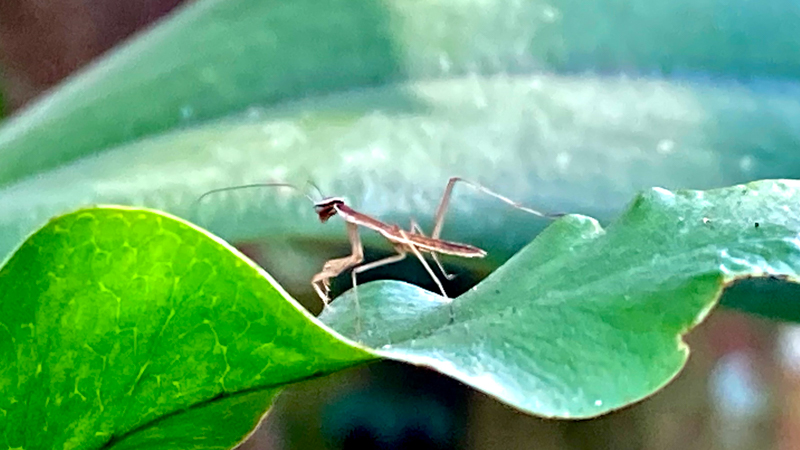
Nurturing predatory species of beneficial insects in the garden, such as ladybugs, green lacewings, and praying mantis, will reduce dependence on chemical treatments for these pests and support a sustainable ecosystem. Wrapping up June lawn and garden tips on the topic of pollinators, Join the Buzz by Entering our Social Media Contest. Share your love of pollinators on our Facebook page and spread the word! Share the favorite POLLINATOR PHOTO you have taken in the comment section—post by June 20, 2021, for a chance to win our fun friends of pollinator kit.
Plus, remember that for comprehensive solutions to your specific lawn, garden and landscaping need contact Earth Works of Jacksonville online and at 904-996-0712. Earth Works operates a retail Garden Center/Plant Nursery in Jacksonville and provides landscaping, hardscaping, water features, lawn care service, lawn spraying, and drainage solutions. Proudly serving clients in Northeast Florida including Jacksonville, Ponte Vedra Beach, Atlantic Beach, Neptune Beach, Jacksonville Beach, Nocatee, St. Johns, Fleming Island, Orange Park, Middleburg, Green Cove Springs, Amelia Island, Fernandina, and St. Augustine. Happy Gardening!
Hurricane season landscape preparation is crucial as it begins on June 1 and lasts until November 30. Each year Floridians face the potential of fall out from tropical storms and full-blown hurricanes. While hurricanes are uncommon in June, there have been tropical storms that were significant rain events, such as Tropical Storm Debby in June 2012, contributing more than half of that months’ 20-inch rainfall totals for Jacksonville. Hurricane seasons such as we are seeing in 2022 have no hurricanes affecting Florida until late September when the season heated up. Please pay attention to the needs of newly planted trees whose root system may not be fully established and do best when staked to prevent them from toppling over during periods of soggy soil and or with high winds.
Older trees may need pruning to reduce the risk to structures and power lines from overhanging limbs. In addition, we benefit from removing dead, diseased, cracked, and broken limbs at risk of falling during high wind events and hurricanes. Depending on the types of trees in the landscape, some are at greater risk of attracting lighting, with those struck most often being oak, pine, and palms. When hit, the tree will attempt to repair itself but should be monitored over some months that ultimately may require that the damaged tree be pruned or removed entirely.
When combined with saturated soil, tree species with shallow roots and large canopies are at higher risk of coming down during high wind and rain events. Younger trees planted that may still be staked or within several years of planting are not without risk during storms as their root systems may still be inadequate to protect against extreme wind and rain and at serious risk of falling. They can likewise be badly damaged in such events where the roots become ajar, exposed, or damaged. If you’ve planted a sizable tree in recent months and not yet protected it from wind damage with a staking kit, it is good to consider purchasing one and installing it.
Though tragic, it is hardly a surprise when we see news coverage of a limb or large tree that fell into a home or crushed a vehicle during high wind and rain. However, regardless of the conditions of our trees, when faced with an impending storm event, it is best to assess the situation, be aware of our surroundings, especially overhead, and take necessary precautions to protect ourselves, friends, and family.
A licensed arborist can provide a professional assessment of what needs to be done to protect the specific trees in the landscape before and after the hurricane season. Earth Works Jax Lawn Care & Pest Control Service offers treatment programs to keep clients’ trees, lawn, and garden healthy throughout the year. The Earth Works Garden Center provides a variety of trees that do well in Northeast Florida weather, including oak, magnolia, crape myrtle, and a wide variety of palms. Our knowledgeable garden center staff and landscape designers are here to help with your hurricane season landscape preparation.
For comprehensive solutions to your specific lawn, garden and landscaping need contact Earth Works of Jacksonville online and at 904-996-0712. Earth Works operates a retail Garden Center/Plant Nursery in Jacksonville and provides landscaping, hardscaping, water features, lawn care service, lawn spraying, and drainage solutions. Proudly serving clients in Northeast Florida including Jacksonville, Ponte Vedra Beach, Atlantic Beach, Neptune Beach, Jacksonville Beach, Nocatee, St. Johns, Fleming Island, Orange Park, Middleburg, Green Cove Springs, Amelia Island, Fernandina, and St. Augustine. Happy Gardening!
A good starting point for pruning tips with any plant is to remove dead, diseased, or damaged stems as soon as you see them. Dead stems attract insects and invite diseases to develop. Also remove crossing branches, water sprouts (vigorous upright growing shoots that form on trunks or side branches), and suckers (vigorous shoots that develop near or from below ground).
What to Prune When
Spring- Flowering Trees and Shrubs
Early season pruning tips for spring bloomers, such as azalea, bear flowers on wood formed the previous year. The best time to prune them is late spring — immediately after they finish blooming. If you prune them later in the growing season you’ll remove flower buds and decrease the amount of spring bloom.
Hydrangeas
Most hydrangea types bloom on old wood. Prune these types of hydrangeas before midsummer. If you prune them in winter or early spring, you’ll be removing flower buds. With newer reblooming types, such as the Endless Summer Series which bloom on new growth, timing of pruning is less critical. Even if you cut off some of the flower buds by pruning the old stems, the plant will bloom on the new growth.
Shrubs With Showing Blooms
Cut back shrubs grown primarily for their foliage (such as Loropetalum and Ligustrum) almost anytime: except in late autumn. New growth that starts after late season pruning won’t harden off properly before winter. Major pruning is best done when it is dormant.
Clipped Hedges
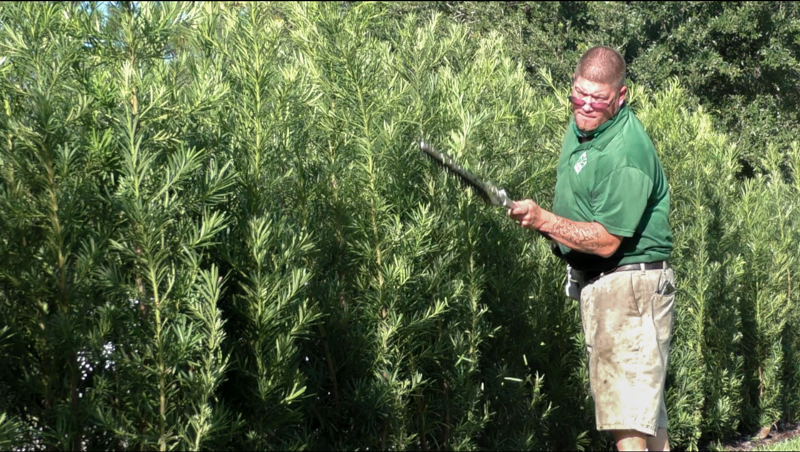
Shrubs such as boxwood and podocarpus are often sheared to form a hedge. To maintain a solid wall of green, shear the new growth frequently during the early part of the growing season. Stop in late autumn.
Roses
Prune climbers and old garden roses that bloom only once per year after they finish blooming. Repeat bloomers, including hybrid teas, floribundas, knockout, and drift shrub roses are pruned mostly to shape the plant or to remove winter-damaged canes. If they become overgrown, cut them back in early spring.
Perennial Flowers
Most perennial flowers look best if you remove faded flowers. This is called deadheading. As a bonus, many perennials will push out another cycle of blooms after deadheading. If your perennial flowers become too tall and leggy, or flop open in the middle, try shearing them back to 6-12 inches above the ground. This type of haircut causes them to become stockier.
Annual Flowers
Deadhead annual flowers regularly to keep them blooming well. Removing the old flowers prevents them from setting seeds and allows plants to put more energy into blooming. Some annuals, such as petunias, sprawl and develop bare stems at their bases. As with perennials, you can shear these rangy plants to force more compact growth and renewed bloom.
Citrus
On young trees, it is important to remove suckers from the base of the tree. Mature citrus trees do not require pruning of the canopy except for substantial injury or after a disease or freeze damage. Unnecessary pruning will reduce fruit production. Pruning of the canopy should be reserved to prevent trees from crowding other plants or buildings. Be sure to remove vertical shoots. Make all pruning cuts flush with the trunk, since stubs may be attacked by rotting organisms that could damage the tree. If you must prune, timing can be tricky and varies by variety. Shoot for after-harvest and before flowering.
Plus, remember that for comprehensive solutions to your specific lawn, garden and landscaping need contact Earth Works of Jacksonville online and at 904-996-0712. Earth Works operates a retail Garden Center/Plant Nursery in Jacksonville and provides landscaping, hardscaping, water features, lawn care service, lawn spraying, and drainage solutions. Proudly serving clients in Northeast Florida including Jacksonville, Ponte Vedra Beach, Atlantic Beach, Neptune Beach, Jacksonville Beach, Nocatee, St. Johns, Fleming Island, Orange Park, Middleburg, Green Cove Springs, Amelia Island, Fernandina, and St. Augustine.
Share Your Story!
Manage Consent
To provide the best experiences, we use technologies like cookies to store and/or access device information. Consenting to these technologies will allow us to process data such as browsing behavior or unique IDs on this site. Not consenting or withdrawing consent, may adversely affect certain features and functions.
Functional
Always active
The technical storage or access is strictly necessary for the legitimate purpose of enabling the use of a specific service explicitly requested by the subscriber or user, or for the sole purpose of carrying out the transmission of a communication over an electronic communications network.
Preferences
The technical storage or access is necessary for the legitimate purpose of storing preferences that are not requested by the subscriber or user.
Statistics
The technical storage or access that is used exclusively for statistical purposes.The technical storage or access that is used exclusively for anonymous statistical purposes. Without a subpoena, voluntary compliance on the part of your Internet Service Provider, or additional records from a third party, information stored or retrieved for this purpose alone cannot usually be used to identify you.
Marketing
The technical storage or access is required to create user profiles to send advertising, or to track the user on a website or across several websites for similar marketing purposes.