Proper palm pruning beautifies these stately specimens in the landscape and protects them from stress from poor care and environmental pressure. Benefits of Proper Palm Pruning Include: • Preserving the health of the palm. • Improving their appearance. • Eliminating places for pests to hide. • Reducing wind resistance during bad weather. • Reducing fire hazards from the highly flammable dead fronds. There are self-cleaning palms for people who don’t want to worry about pruning. Self-cleaning palms include King Alexander (Archontophoenix alexandrae), Royal palm (Roystonea regia), Chinese Fan palm (Livistona chinensis), and Christmas palm (Adonidia merrillii).
The first step in proper palm pruning is to inspect and assess the source of any damage to the palms. Trimming your palm tree is no substitute for appropriate fertilization and care. You can’t fix mineral deficiencies and damage from pests, pathogens, and disease by pruning the tree.
What Tools do I Need to Properly Prune Palms? Proper palm pruning tools include: gloves, eye protection, pruning shears, loppers, telescoping pole saw, ladder, rubbing alcohol, bleach, or other comparable disinfectants to clean tools before and after use to avoid spreading pathogens and disease between plants. Tree trimming services should use ladders or a bucket truck rather than climbing with spiked shoes that damage the trunks and invite pests, pathogens, and diseases. Ask others who prune your palm trees to disinfect their tools and don’t allow them to climb them with spiked shoes.
How Often Should I Trim my Palms? Typically once per year in Spring is the best time and frequency to trim palm trees. Avoid removing the healthy green fronds. Instead, focus on eliminating brown and yellowing palm fronds damaged at the end of their life cycle. The fruiting flower stalks, or inflorescence, can be removed at this time to conserve the plants’ energy and reduce hazards from falling fruit and the corresponding mess, odor, and insect attraction.
Proper Palm Pruning Techniques Start pruning below the canopy and work up and around the tree to a horizontal frond position like arms on a clock at 9 and 3. Palms are monocots, plants that emerge from one leaf. Each new leaf emerges from the apical meristem, commonly referred to as the heart of the palm at the very top of the tree. “Death of the apical meristem in a palm results in the death of that stem in clustering species and death of the entire palm in single-stem species,” according to the University of Florida IFAS. “It also means that stem wounds, which would eventually be compartmentalized and grown over in dicot trees, are permanent in palms.” Due to the circumference of the palm trunks continuing to expand trim fronds 1/2-3/4″ back from the tree trunk on smaller palms such as Pygmy date palm (Phoenix roebelinii) and 4-6″ from the trunk on large palm trees. The remaining portion of the frond on the trunk is referred to as the boot, which will die and in most species form a crisscrossing pattern that will eventually fall off or can be carefully removed.
The Sylvester date palm tree (Phoenix sylvestris) is known for its signature diamond-cut trunk. To create the diamond-cut tree farms prune for this look with a reciprocating saw that prevents trunk damage while exposing their orange genetic coloration. Although the color will fade in the months and years ahead it can be restored by pressure washing. Loppers and pole saws are recommended for Sylvester date palm tree annual pruning and a reciprocating saw, NOT a chainsaw when striving to duplicate the diamond cut. The beauty of your tropical landscape will increase along with the health of your palms by using these proper palm pruning techniques.
For comprehensive solutions to your specific lawn, garden, and landscaping need, contact us at 904-996-0712. Earth Works operates a retail Garden Center/Plant Nursery in Jacksonville and provides landscaping, hardscaping, water features, lawn care service, lawn spraying, and drainage solutions.
Earth Works proudly serves clients in Northeast Florida, including Jacksonville, Ponte Vedra Beach, Atlantic Beach, Neptune Beach, Jacksonville Beach, Nocatee, St. Johns, Fleming Island, Orange Park, Middleburg, Green Cove Springs, Amelia Island, Fernandina, and St. Augustine.
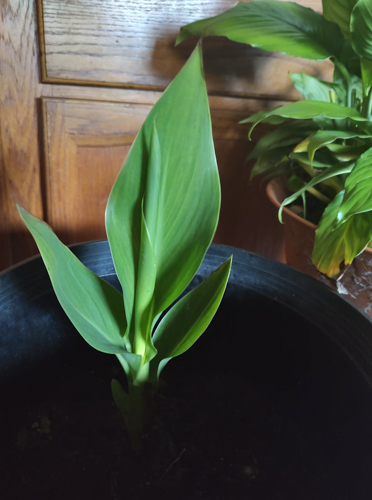
Here are the photo entries for the houseplant lover photo social media contest that began on February 1 for Facebook and Instagram. Contest requirements were, “Lovers of houseplants upload your best houseplant photos in the comment section for a chance to win $50. Entry deadline Feb. 27 and winner announcement to be made on Feb 28th. .”
Regardless, of whether participants prefer low light houseplants or difficult to grow varieties everyone was welcome to enter. Houseplant identification or specific plant knowledge was not required, but rather a love of houseplants and sharing photos was key. See the original post on Facebook.
After reviewing so many amazing houseplants from our many contributors we offer congratulations to our Houseplant Lover Photo Contest Winner Sammy T Ch for an image of his collection with him included! We’d further extend honorable mention to Jess Dickie for their submission. In so doing Sammy T Ch wins a $50 gift certificate from Earth Works! We have quarterly contests, sometimes more, and encourage your participation in upcoming contests to be announced.
There were so many gorgeous images submitted! Thank you everyone for your love of houseplants and for your willingness to share them with us!
credit Mira Fajardocredit Mira Fajardocredit Mira Fajardocredit Mira Fajardocredit Mira Fajardocredit Mira Fajardocredit Mira Fajardocredit Mira Fajardocredit Mira Fajardocredit Mira Fajardo
Brandy Williams-Onder Gardens
credit Brandy Williams-Onder Gardens
Lynnie Gomez
Credit Lynnie GomezCredit Lynnie Gomez
Elaine Curtis Graham
credit Elaine Curtis Graham
Patricia Graham
Credit Patricia GrahamCredit Patricia Graham
Sheri Johnson
Credit Sheri Johnson
Evelyn Bellomonte-Jones
Credit Evelyn Bellomonte-Jones
Bonnie Sexton King
Credit Bonnie Sexton King
Millie Lindner
Credit Millie Lindner
Holly Louise
credit Holly Louisecredit Holly Louise
Michelle Lynn
Credit Michelle Lynn
Martha Bravo Mancheno
Credit Martha Bravo Mancheno
Kathy Mangham
Credit Kathy Mangham
Megan Manor
Credit Megan Manor
Blanche Leavell Melvin
Credit Blanche Leavell Melvin
K Marie Chitty Merritt
Credit K Marie Chitty Merritt
Melissa Nielsen Miller
Credit Melissa Nielsen MillerCredit Melissa Nielsen Miller
Devany Noblit
Credit Devany Noblit
Amelia Nguyen
Credit Amelia Nguyen
Alejandra Parra
credit Alejandra Parracredit Alejandra Parra
Cindi Albright Patrick
Credit Cindi Albright Patrick
Christine Rose
Credit Christine Rose
Mary Spreier
Credit Mary Spreier
Ali Thomas
credit Ali Thomas
Rachel Thompson
credit Rachel Thompsoncredit Rachel Thompson
Sue Umstattd
credit Sue Umstattd
Kayla Yarber
credit Kayla Yarber
Whether you are a houseplant lover or not for comprehensive solutions to your specific lawn, garden, and landscaping need, contact Earth Works of Jacksonville online or at 904-996-0712. Earth Works operates a retail Garden Center/Plant Nursery in Jacksonville and provides landscaping, hardscaping, water features, lawn care service, lawn spraying, and drainage solutions.
Earth Works proudly serves clients in Northeast Florida, including Jacksonville, Ponte Vedra Beach, Atlantic Beach, Neptune Beach, Jacksonville Beach, Nocatee, St. Johns, Fleming Island, Orange Park, Middleburg, Green Cove Springs, Amelia Island, Fernandina, and St. Augustine.
Earth Works offers these koi handling tips for beginners interested in protecting the health of one of the most popular fish available for ponds and water gardens.
Introduction: What is a Koi Fish?
Koi fish are a type of ornamental carp bred primarily for their colors, patterns, size, shape, and, most importantly, their friendly nature. They have been selectively bred over centuries, first in China and then most significantly in Japan. Koi are also known in Japan as Nishikigoi, “living jewels”. Grand Champion koi at the annual All Japan Koi Show are valued at more than a million dollars. Worldwide koi fish are mostly kept for decorative purposes in outdoor ponds or water gardens growing up to four feet long in optimum growing conditions. The oldest known koi, Hanako, was hatched in 1751 and died in 1977, making her a whopping 226 years old! Learn more about Hanako.
Improper koi handling can result in koi stress, injury, or death.
Large Koi Handling Tips Step by Step
If you don’t have specialized equipment such as sock nets to evenly support the weight of large koi, consider these tips to protect your koi from injury.
-Remove all jewelry that might scratch or otherwise injure the fish before attempting to pick up and carry.
-Wash your hands and wet with dechlorinated water or the water the koi are being removed from before touching the koi to protect their slime coat.
-Net fish when possible to reduce thrashing that can cause physical damage and increase fish stress that invites infections. Avoid rapid or erratic movements with the net to keep the koi calm and reduce the chance of jumping.
-When lifting large koi support their underbelly to avoid internal organ damage, especially in the case of large round-bellied females (large males have elongated torpedo-shaped).
-After safely moving the koi, you can supplement aeration to increase oxygen saturation in their holding tank or a new location to assist in calming the fish and reducing stress. There are also products like ‘Stress Coat’ that condition the water helping koi more rapidly replace any lost slime coat and heal wounds.
Visit the Earth Works Garden Center that stocks koi, goldfish, plecostomus, and supplies for all your koi, pond, and water garden needs.
For comprehensive solutions to your specific lawn, garden, and landscaping need, contact Earth Works of Jacksonville online and at 904-996-0712.
Earth Works operates a retail Garden Center/Plant Nursery in Jacksonville and provides landscaping, hardscaping, water features, lawn care service, lawn spraying, and drainage solutions.
Earth Works proudly serves clients in Northeast Florida, including Jacksonville, Ponte Vedra Beach, Atlantic Beach, Neptune Beach, Jacksonville Beach, Nocatee, St. Johns, Fleming Island, Orange Park, Middleburg, Green Cove Springs, Amelia Island, Fernandina, and St. Augustine.
Consider these six essential February lawn and garden tips for a beautiful close to winter and a healthy, and robust Spring season ahead.
1) In February, continue protecting plants from frost and freeze damage. While the threat of frost and freezing temperatures vary on average the last freeze day in Jacksonville is February 15 and January 23 in coastal Jacksonville Beach. However, on January 30 Jacksonville Beach reached a low temperature of 31 while at Jacksonville International Airport (JIA) they recorded a low of 22F with the lowest temperature ever recorded on that date being 20F back in 1966. Where you live has a significant bearing on the risk of frost and freezing temperatures. JIA recorded six below-freezing temperature days in January, whereas there was just one on the 30th at Craig Airport. Even with a warmer than usual Winter resulting from La Nina January was unpredictably cold. The News4Jax Insider reports that forecast models suggest that, “starting Feb. 23, the Eastern U.S. should begin to warm and warm considerably, pointing to an early start to spring.” With the damage already done, there will be many people shopping to replace plants in the coming months. Don’t be blindsided by another frost or freeze!
2) Rake, mulch, or compost leaves, but don’t leave them unattended on your lawn turf. While many deciduous trees drop leaves in Autumn and Winter, the evergreen Live oak typically sheds its leaves over several weeks between February and March and then immediately flushes out a crop of new leaves. After shedding their leaves, oaks follow up by dropping male flowers (catkins), which are loaded with pollen and have the texture of steel wool that can easily clog pond and pool filters. When unattended leaf litter and catkins can smother your lawn turf. While proponents of native landscapes aren’t concerned with grass in the landscape some community HOAs, for instance, require lawns to be well maintained and millions of families enjoy a beautiful well-kept lawn. While we provide lawn care services we appreciate landscaping with Florida native plants that are adapted to area climate and soil conditions and have landscape designers ready to work with you in developing whatever your preference of lawn and garden.
3) Keep weeds on your lawn under control by hand pulling or use of a pre-emergent herbicide before average temperatures reach 65-70F. As temperatures warm heading into Spring, the threat from the Winter weeds is replaced by the emergence of warm-season weeds. In our temperate climate, there is some crossover in the seasonal varieties of lawn weeds. -Florida perennial weeds include buttonweed, clover, dallisgrass, dandelion, nutsedge, and dollarweed. -Florida annual weeds include chickweed, crabgrass, beggarweed, pulsey, goosegrass, and spurge. Earth Works Lawn Care division eliminates these concerns with weed spraying and fertilization services.
Weed And Feed products typically include pre-emergents. UF recommends March 1 for the earliest Weed and Feed applications in North Florida. “You will not injure your lawn by waiting to fertilize but you can certainly injure your lawn by fertilizing too early,” writes Larry Williams, the Residential Horticulture Agent for the UF/IFAS Extension Office in Okaloosa County. Difficulties in avoiding too late applications of pre-emergent herbicides and too early fertilization give some credence to using herbicides and fertilizers separately. Read more about When Should I Apply Weed And Feed.
4) Do not forget to water your lawn throughout February when receiving less than two rain events per week. Consistent with La Nina weather forecasts, Jacksonville’s rainfall for January was below average, receiving only one inch of precipitation compared to the annual January average of three inches. We are under once per week irrigation restrictions in Duval County until the second Sunday in March, according to Chapter 366 of the City’s Ordinance Code. However, there are exceptions for new landscaping and there are no restrictions on hand watering.
5) Throughout the Winter months, including February, it’s recommended to plant cold-hardy annuals such as alyssum, delphinium, dusty millers, ornamental kale, and cabbage, along with violas that hold up to our coldest temperatures. “Trees and shrubs that will be in bloom include red maple, star magnolia, and spirea,” according to the University of Florida. “Despite the cooler weather, some gardeners can begin to plant warm-season crops, while others should stick to plants that can survive the cold.” Areas around the St. Johns River, its tributaries, and the beaches stay significantly warmer than other inland areas.
6) Regularly inspect houseplants and those brought indoors during the winter. Be watchful for pests such as Spider mites that form webs along leaf margins. Spider mites and various other pests can be effectively treated with Neem oil. Rotate plants to provide them 360-degree access to inspect and for them to get the best use of available light sources.
Spider mites and their web on Alocasia
Don’t neglect plants brought indoors that might be bunched together, not allowing adequate light and inspection access. Watch for signs of too much or too little water and sunlight. Some plants such as the Heart-shaped, Hoya kerrii will turn yellow from too much light or too little water. Succulents can begin turning purple from various causes, including sudden light and temperature changes, too much light or the wrong wavelength provided by certain grow lights. If having an issue with your indoor plants, take photos and bring them in to speak with an associate at the Earth Works garden center.
Inspect houseplants: This Hoya kerrii turned yellow from too much light or too little water.
We hope the February lawn and garden tips benefit your efforts and for comprehensive solutions to all your specific lawn, garden, and landscaping needs, contact us at 904-996-0712.
Earth Works operates a retail Garden Center/Plant Nursery in Jacksonville and provides landscaping, hardscaping, water features, lawn care service, lawn spraying, and drainage solutions.
Earth Works proudly serves clients in Northeast Florida, including Jacksonville, Ponte Vedra Beach, Atlantic Beach, Neptune Beach, Jacksonville Beach, Nocatee, St. Johns, Fleming Island, Orange Park, Middleburg, Green Cove Springs, Amelia Island, Fernandina, and St. Augustine.
Start Draining the Pond – An inexpensive pump or a sump pump is sufficient. Be sure you save some of the pond water to fill a container with for the fish.
Disconnect the Circulation System – This will allow the water in the plumbing to drain out.
Catch the Fish – Drain the pond down to the lowest shelf to catch fish easily and safely.
Remove Debris – Remove the large debris like leaves and twigs once the pond is drained.
Wash the Pond – A 1500 psi pressure washer or a high-pressure nozzle on a garden hose is recommended for pond cleaning.
Rinse the Pond – Rinse the pond from top to bottom with a garden hose without the high-pressure nozzle, as it continues to pump it out.
Clean the Fiters – Spray the filtration media until relatively clean and rinse down the inside of the filter units.
Refill the Pond – Pull the clean-out pump out and refill the pond.
De-Chlorinate the Water – Most city water contains chlorine and chloramine and requires treatment with a de-chlorinator before introducing fish.
Reintroduce the Fish – To properly acclimate your fish, you’ll want to put them in the pond as soon as the water is high enough for them to swim. Then slowly continue to add water to original levels. In extreme cold weather you may want to put fish with old pond water in a container to float in the pond allowing the water temperature to even out slowly.
For your quote to schedule your pond clean-out service and for comprehensive solutions to your specific lawn, garden, and landscaping need, contact us in the Jacksonville area for landscaping, hardscaping, water features, lawn care service, lawn spraying, and drainage solutions.
Earth Works proudly serves clients in Northeast Florida, including Jacksonville, Ponte Vedra Beach, Atlantic Beach, Neptune Beach, Jacksonville Beach, Nocatee, St. Johns, Fleming Island, Orange Park, Middleburg, Green Cove Springs, Amelia Island, Fernandina, and St. Augustine.
Northeast Florida has a strong tradition of celebrating Florida Arbor Day, which was established in 1886 only one year after Sterling Morton established the first Arbor Day in Nebraska. Florida Arbor Day is fairly easy to remember coming on the third Friday of January since 1886. Arbor Day was famous throughout the country early on. Forty-five states and territories were on board with their own version of Arbor Day by 1920. National Arbor Day was established in 1970 by President Nixon, with the annual event commemorated on the last Friday of April.
Northeast Florida cities and county governments celebrate Arbor Day on dates separate from those established by the state and nation. The City of Jacksonville Arbor Day date is up to the mayor’s discretion each year without one currently set for 2022. The three prior dates were November 13, 2021, March 28, 2020, and April 26, 2019.
Morton loved trees planting many on his property, currently designated as Arbor Lodge State Historical Park in Nebraska. “Each generation takes the earth as trustees, Morton said. “We ought to bequeath to posterity as many forests and orchards as we have exhausted and consumed.” His older son Joy Morton founded the Morton Arboretum in Lisle, Illinois, preserving 735 acres for trees by his passing in 1934. Their legacy of tree protection is continued in your own tree planting and care in celebration of Arbor Day.
“Florida celebrates Arbor Day in January because many trees are dormant (not actively growing) and lose less water through transpiration (evaporation of water from leaves) this time of year, making them easier to transplant without putting them through too much stress,” according to the University of Florida.
Which tree(s) are you thinking of planting? Earth Works of Jacksonville has available for purchasing Live Oaks, Red Maple, Japanese Maple, St Lukes Plum, Eagleston Holly, Schilling Holly, Brodie Juniper, Blue Point Junipers, Sabal Palms, the Florida State tree along with many other palm varieties, and all the required soil and soil amendments to help your Arbor Day tree planting success. Each year Earth Works of Jacksonville provides an Arbor Day tree planting for a local charity with the Sanctuary on 8th Street being our 2021 recipient. Another charity tree planting is planned for the Florida Arbor Day 2022.
The Arbor Day Foundation promotes a wide variety of evergreen shrubs, flowering trees, fruit trees, ornamentals, nut-bearing trees, and shade trees. And there is no one tree recommended for planting on Florida Arbor Day. “The 1953 Florida legislature designated the sabal palm as the state tree, and the 1970 legislature mandated that the sabal palm should replace the cocoa palm on the state seal,” according to MyFlorida.com. “The sabal palm (Sabal palmetto) is the most widely distributed palm in Florida. It grows in almost any soil and has many uses, including food, medicine, and landscaping.”
“Before you plant, know what your tree needs for soil type, space for the canapy and room for the roots,” wrote Ginny Stibolt, of the Florida Native Plant Society. “Plan ahead for its mature size so pruning can be minimized and also plant compatible understory trees and shrubs to form a pleasant grove that may mimic what might have grown there before the invasion of the most invasive species–us.”
Northeast Florida cities, counties, and businesses host a variety of Florida Arbor Day events, including tree giveaways.
Jacksonville: The city of Jacksonville coordinates with Greenscape of Jacksonville who typically schedules a tree giveaway on Jacksonville Arbor Day, a date that’s yet to be determined for 2022. Jacksonville has been a Tree City USA recipient for 24 years. No 2022 Florida Arbor Day events scheduled.
City of Atlantic Beach: “The City of Atlantic Beach welcomes you to celebrate Arbor Day with us on Friday, January 21, according to COAB.com. “Our festivities will begin in front of the police station at 9 a.m. with opening remarks and a flag-raising by the mayor and the Environmental Stewardship Committee members. If you can’t attend in person, you can watch us on Facebook Live. At 9:45 a.m., we’ll meet at Dutton Island for our Heritage Tree dedication, and then we are planting a tree in each Commission district.” Atlantic Beach also announced in December 2021 the availability of funds for an Adopt-a-Tree program for any resident to apply to receive a free tree to plant in their Atlantic Beach front yard. “In the past, Atlantic Beach has been recognized as a Tree City USA in 1992-1995, 2001-2002 and 2015,” according to Jacksonville.com. “The designation is for the Arbor Day Foundation to help cities across the US manage and expand its tree canopy.”
City of Jacksonville Beach:Jacksonville Beach has had a Tree City USA designation for 34 years. No 2022 Florida Arbor Day events scheduled.
City of Neptune Beach: “Neptune Beach has been named a Tree City USA from the Arbor Day Foundation for the 19th year,” according to the City of Neptune Beach. That designation has continued now for twenty years. No 2022 Florida Arbor Day events are scheduled.
City of Fernandina Beach: “The City of Fernandina Beach has received its 19th year (2021) of national recognition as a Tree City USA community by the Arbor Day Foundation,” according to the Fernandina Observer. “This represents the City’s continued commitment honoring community forestry.” Keep Nassau Beautiful for several years now has celebrated Florida Arbor Day by hosting an Adopt-A-Tree program, which due to Covid, was a drive-through event in 2021.
“We will be planting 1 Red Maple, 1 Bald Cyprus, and 1 River Birch at Egan’s Creek Park on Friday (1/21/2022) at 9:30 a.m.” notes David Neville, Urban Forester with City of Fernandina Beach. “These trees will be planted to Honor 3 County Employees for their help in our achievement of the Growth Award (our first time receiving this award). These trees will be planted by Liberty Landscape and are 30-gallon trees. Along with these trees, we will also be planting 4 smaller Bald Cyprus trees from a grant we received through Jim Tootle. This will be at Egan’s Creek Park as well. We will be planting these trees ourselves also around 9:30.”
Clay County: The Garden Club of Green Cove Springs, in Clay County has been planting trees to celebrate Florida Arbor Day. In 2020 they planted trees at the Clay County historical Triangle. In 2019 they planted an Arizona Blue Ice Cypress at the Green Cove Springs Library in memory of Norma Jones. The City of Green Cove Springs will read a proclamation honoring the work of the Garden Club on this year’s Florida Arbor Day.
Town of Orange Park: “You are cordially invited to attend an Arbor Day program and presentation on Friday, January 21, 2022 at 11 A.M. at the Kingsley East River Overlook,” according to the Town of Orange Park. “The 41st annual Tree City USA Flag will be presented to the Town. In addition, the Town of Orange Park will be planting a Sable Palm Tree, in memory of former Mayor Steve Howard, who passed away last year.”
St Johns County: According to the St Johns County Board of County Commissioners, “To celebrate Arbor Day, the St. Johns County UF/IFAS Extension Office Master Gardeners program will be giving away free tree seedlings at 8:30 a.m. on Friday, January 19 at the following locations: •Ponte Vedra Beach Branch Library – 101 Library Blvd., Ponte Vedra Beach •Southeast Branch Library – 6670 US 1 South, St. Augustine •Bartram Trail Branch Library – 60 Davis Pond Blvd., St. Augustine •Hastings Branch Library – 6195 South Main St., Hastings •Publix at Murabella – 84 Tuscan Way, St. Augustine Available tree species include red buckeye, wild black cherry, redbud, beautyberry, southern red cedar, elderberry, arrowwood viburnum, and sycamore. For more information, please call 904.209.0430.”
If you know of additional Florida Arbor Day activities in Northeast Florida that our community should know about send information to [email protected] for inclusion in this article.
Earth Works celebrates the 2022 Florida Arbor Day with Dana Doody, Executive Director of the Jacksonville Arboretum & Botanical Gardens planting a loquat tree to memorialize the 136 years of Florida Arbor Day.
For comprehensive solutions to your specific lawn, garden, and landscaping need, contact Earth Works of Jacksonville online or at 904-996-0712.
Earth Works operates a retail Garden Center/Plant Nursery in Jacksonville and provides landscaping, hardscaping, water features, lawn care service, lawn spraying, and drainage solutions.
Earth Works proudly serves clients in Northeast Florida, including Jacksonville, Ponte Vedra Beach, Atlantic Beach, Neptune Beach, Jacksonville Beach, Nocatee, St. Johns, Fleming Island, Orange Park, Middleburg, Green Cove Springs, Amelia Island, Fernandina, and St. Augustine.
Consider these tips for new landscape watering as these plant requirements vary from those already established in the lawn and garden. Even the healthiest trees, shrubs, and flowers planted in ideal circumstances need substantial time, care, and proper irrigation to become established in the landscape. Regular irrigation in the month after planting ensures the plants remain healthy and attractive as they establish. The time it takes for a nursery-grown tree to become established ranges from 4 to 15 months, depending on trunk size. Even a three-gallon shrub can take as long as seven months to take hold. Remember, these plants were watered daily, some twice a day in the nursery.
New Landscape Watering Guidelines for New Plants
Frequency and the amount of water are essential factors in establishing plants. A typical automatic overhead irrigation system is not sufficient. Generally, your new landscaping will need an extra consistent drip system or hand watering to ensure long-term success.
The following Guidelines Will Need To Be Adjusted For Variables:
One-gallon plants: Gently hand-water daily for at least two weeks (less in rainy or cool seasons), gradually tapering off to every other day, then three times a week through the first month (2-3 months in summer). Flowers will require regular watering throughout the warm season. Container plantings will need a drip system or hand watering indefinitely.
Three-gallon shrubs: Apply at least one gallon of water directly to the root ball every other day for the first two weeks; tapering off to twice a week for the first three months (longer if in summer or drought conditions). Use of regular overhead irrigation will be sufficient after that.
Larger shrubs (15 gallon+) and trees 2″-4″ diameter: Be sure the water runs long enough to soak the entire root ball. Place your hose at the base of your shrubs or trees slowly for 10-15 minutes each. Do this daily for at least one month, then every other day for the following month (2 months June-September). Continue hand watering twice a week for the next three months, then weekly until established.
Extra-large trees (4″+ diameter trunk): Drip or hand water daily for six weeks. Continue every other day for the next five months, then weekly until established (at least 15 months).
Reason to Water Less:
-Heavy or consistent rain.
-Damp soil conditions.
-Deep shade.
-Drought tolerant plants (still need some water to establish).
“Avoid watering between 10 a.m. and 4 p.m,” according to the University of Florida. “A significant amount of irrigation will be lost to evaporation when watering with overhead irrigation during the heat of the day. Check with your municipality and water management district for the latest watering restrictions.
While we strongly encourage water conservation, extra water is required to establish your new landscape successfully. If your county has watering restrictions take note of any allowances for extra watering and hand watering to establish new plants. “Exceptions under certain circumstances are allowed (such as using a hand-held irrigation tool, micro-irrigation systems, maintenance, and repair or watering to establish new landscaping,” according to the City of Jacksonville.
Earth Works operates a retail Garden Center in Jacksonville and provides landscaping, hardscaping, water features, lawn care service, lawn spraying, and drainage solutions. Visit us or for specific lawn, garden, and landscaping needs, contact us at 904-996-0712.
Earth Works proudly serves clients in Northeast Florida, including Jacksonville, Ponte Vedra Beach, Atlantic Beach, Neptune Beach, Jacksonville Beach, Nocatee, St. Johns, Fleming Island, Orange Park, Middleburg, Green Cove Springs, Amelia Island, Fernandina, and St. Augustine
Organic top dressing lawns, although labor-intensive, provides your beautiful lawn vital ecological benefits. Top dressing lawns, simply put, is spreading a thin 1/4”-1/2” layer of organic material on the lawn. Our service aerates the soil before top dressing to reduce compaction, which allows better oxygen, water, and nutrient absorption. In a few months, the benefits become obvious.
The earliest lawns of 17th century England were owned by only a handful of nobles and the wealthy who could afford a well-kept patch of grass. Lawn ownership increased dramatically after industrialization and the invention of the lawn mower. Now you’d better have a well-maintained lawn if your community has a Home Owners Association (HOA). Organic top dressing helps keep your well-kept patch of grass healthy and beautiful while reducing the need for fertilization, pesticides, and watering.
Benefits of top dressing lawns include: -Reduces compaction & thatch buildup. -Reduces stress from foot traffic. -Improves water retention. -Replenishes organic nutrients. -Fortifies with micronutrients. -Reduces fertilization and irrigation needs.
“A recent field study conducted in a local development showed an average increase of soil organic matter of nearly 60% with compost topdressing,” according to the University of Florida. “Do your own “citizen science” and see if you are able to enjoy a beautiful lawn with fewer inputs this year. It’s time to top-dress your turf!“
Earth Works Lawn Care provides aeration and top dressing service within our Northeast Florida service area. We encourage homeowners to either do-it-yourself every few years or contact Earth Works Lawn Care to schedule this important service. Schedule a Lawn Care Account Manager visit to your home for a quote. And see our other lawn services and get a free quote by calling 904-996-0712.
Earth Works operates a retail Garden Center in Jacksonville and provides landscaping, hardscaping, water features, lawn care service, lawn spraying, and drainage solutions. Visit us or for specific lawn, garden, and landscaping needs, contact us at 904-996-0712.
Earth Works proudly serves clients in Northeast Florida, including Jacksonville, Ponte Vedra Beach, Atlantic Beach, Neptune Beach, Jacksonville Beach, Nocatee, St. Johns, Fleming Island, Orange Park, Middleburg, Green Cove Springs, Amelia Island, Fernandina, and St. Augustine.
With La Nina bringing warm winter weather conditions to Northeast Florida our lawns and gardens are likely to experience more pests earlier in the season. Ants, aphids, chinch bugs, grubs, mole crickets, mosquitos, sod webworms, termites, and wood-boring beetles, may all arrive and reproduce early this year. “Warm means that insects could become active sooner,” said Eileen Buss, a University of Florida associate professor of entomology. The warmer winters essentially act as an alarm clock for plants and bugs, which spring into action, Buss said.”
There are complications though as not all pest species respond the same way to warm winter weather. “A warm winter day could cause insects to become active (e.g., woolly bear caterpillars) when they normally would be dormant,” explained Integrated Crop Management News. “Activity uses up stored fats they depend on to survive until the spring. Without access to food, these active insects could starve to death before food becomes available.” However, Iowa’s average low January temperature is in the twenties compared to Florida’s high fifties and Jacksonville high forties. Insects typically begin to enter a hibernation-like torpor state called diapause when temperatures drop into the low forties. Whereas, regional species of fleas begin to die off below 37F other species of insects produce glycerol using it as a sort of antifreeze that allows them to walk around during warm Winter weather and not die during a periodic cold snap.
Florida lawn and garden pests develop in fewer days during warm winter weather as the insect growth rate is temperature-dependent. “Every insect requires a consistent amount of heat accumulation to reach certain life stages, such as egg hatch or adult flight,” according to Utah State University. “Degree day values interpret that heat accumulation. When used to determine treatment timing, they are an important component of an Integrated Pest Management program, providing a cost effective tool to reduce insect feeding damage.”
Be vigilant in monitoring your lawn and garden plants during warm winter weather, checking the undersides of leaves, and being ready for applying preventative treatments.
Insects aren’t the only threat as fungus spore survivability improves with warm Winter weather. La Nina Winter conditions forecast less precipitation throughout the Southeast. While ensuring your lawn and landscape have adequate weekly watering, don’t overwater, which is an invitation to fungus. Be on the lookout for Brown Patch fungus in your turf prevalent when evening temperatures are below 70F. Signs of Brown Patch fungus are rings and small irregular patches of dead grass.
Learn the signs and symptoms of pests and pathogens in your landscape to reduce the risk and threats of infestations. Ensure your lawn care service is proactive in assessing and preventing these potential warm Winter weather threats with adequate treatments early. Earth Works Lawn Care division offers free quotes for Lawn and Landscape disease and pest control services.
Earth Works operates a retail Garden Center in Jacksonville and provides landscaping, hardscaping, water features, lawn care service, lawn spraying, and drainage solutions. Visit us or for specific lawn, garden, and landscaping needs, contact us at 904-996-0712. Earth Works proudly serves clients in Northeast Florida, including Jacksonville, Ponte Vedra Beach, Atlantic Beach, Neptune Beach, Jacksonville Beach, Nocatee, St. Johns, Fleming Island, Orange Park, Middleburg, Green Cove Springs, Amelia Island, Fernandina, and St. Augustine.
Growing heirloom vegetables provides your family delicious flavors, and with seed saving and exchange you help preserve plant genetic diversity. Many of the remaining seeds of our ancestor’s choice crops passed down through the generations are labeled heirloom seeds and seedlings at your neighborhood garden center.
While industrial agriculture has provided benefits, there are also consequences. “Since the 1900s, some 75 percent of plant genetic diversity has been lost as farmers worldwide have left their multiple local varieties and landraces for genetically uniform, high-yielding varieties,” according to the Food and Agriculture Organization of the United Nations. “Today, 75 percent of the world’s food is generated from only 12 plants and five animal species.”
The public has shown renewed interest in growing their own food, saving seeds for their children, and exchanging them with others. Seed Savers Exchange has over 13,000 members and saves over 20,000 seed varieties while making them available to the public on their website and through garden centers.
Heirloom seeds are open-pollinated by insects and thus stay true to their parent’s characteristics. Hybrid offspring don’t. “Hybrids are a seed savers’ bane,” wrote the South Dakota State University Extension. “Plants that grow from seed saved from hybrid plants generally are less vigorous, more variable, and usually have smaller blossoms and yield less than their parents. Because F1 (First Generation) plants contain genes from two very different lines, their progeny (“F2” generation – or the “grandchildren” of the hybrid) will behave more like outcrossed plants, having a random assortment of the genes from either of the F1 parents – the desired ones along with the bad ones. Some plants may look like the F1 hybrids, but others may look and grow quite differently. Subsequent generations will have even more variability.”
‘Cherokee Purple’ tomatoes farmed by Native Americans and the ‘Rutgers’ tomato developed in the 1930s are but two of the thousands of tasty and interesting heirlooms available to you. Baker Creek Heirloom Seeds has available to you a rainbow of colorful native corn varieties that were a staple throughout the Americas and continue to do so today supported by your gardening purchases.
Earth Works Garden Center has a seasonal selection of Southern Exposure Seed Exchange seeds and regional farm-grown heirloom seedlings available.
Seeds are big business for those supplying the over 47,000 Florida farmers like Shells Feed & Garden Supply in Tampa, Florida. Whatever your agriculture seed needs, Shell’s Feed can find an option including heirlooms and bulk seed from these suppliers: Ferry Morse, Livingston, Hart Seed, Sandia Seeds, and Seedway. They nurture the gardening community at their garden center and online.
For a wealth of information on growing heirloom vegetables also consider a visit to Reems Creek Nursery 10 minutes north of Asheville, North Carolina where you’ll find seeds from High Mowing, Botanical Interests, Sow True Seed, and Livingston. They provide organic certified, heirloom, open-pollinated, and hybrids along with a knowledgeable staff, workshops, and events.
And for additional suppliers visit our list of 60+ FREE Seed Catalogs. Plus, for help growing heirloom vegetables in Northeast Florida visit us at Earth Works Garden Center. We also provide landscaping, hardscaping, water features, lawn care service, lawn spraying, and drainage solutions throughout Northeast Florida. Contact us with your questions and to book design consultations at 904-996-0712.
Earth Works proudly serves clients in Northeast Florida, including Jacksonville, Ponte Vedra Beach, Atlantic Beach, Neptune Beach, Jacksonville Beach, Nocatee, St. Johns, Fleming Island, Orange Park, Middleburg, Green Cove Springs, Amelia Island, Fernandina, and St. Augustine.
Share Your Story!
Manage Consent
To provide the best experiences, we use technologies like cookies to store and/or access device information. Consenting to these technologies will allow us to process data such as browsing behavior or unique IDs on this site. Not consenting or withdrawing consent, may adversely affect certain features and functions.
Functional
Always active
The technical storage or access is strictly necessary for the legitimate purpose of enabling the use of a specific service explicitly requested by the subscriber or user, or for the sole purpose of carrying out the transmission of a communication over an electronic communications network.
Preferences
The technical storage or access is necessary for the legitimate purpose of storing preferences that are not requested by the subscriber or user.
Statistics
The technical storage or access that is used exclusively for statistical purposes.The technical storage or access that is used exclusively for anonymous statistical purposes. Without a subpoena, voluntary compliance on the part of your Internet Service Provider, or additional records from a third party, information stored or retrieved for this purpose alone cannot usually be used to identify you.
Marketing
The technical storage or access is required to create user profiles to send advertising, or to track the user on a website or across several websites for similar marketing purposes.

 .”
.”