So your citrus has started to bloom, and you’ve gone out to visit your orchard only to find leaves covered with a black coating and white fuzz. The black coating is one or more genera of fungi called sooty citrus mold. And in this instance the white spots are from mealybugs laying eggs and freshly produced sugary honeydew secretions as they poke along sap sucking your citrus tree. Although the sooty mold blocks sunlight, it doesn’t feed on the plant tissue and alone won’t destroy your citrus, but ignoring the pests that attracted it just might. Aphids, mealybugs, scale, and whiteflies are the soft-bodied usual insect suspects with their honeydew excretions that must be addressed for your citrus health and to end growth of the sooty mold.
Treat pests, and mold incidentally with a homemade insecticidal soap or a premixed one available at the garden center. Other available treatments include horticultural oil, fungicides, and pesticides. Hanging sticky traps in your citrus trees can attract and capture some of the perpetrating pests such as whiteflies but won’t rid the trees of existing sooty mold. Rinsing the leaves with a strong stream of water can loosen and remove the mold and some pests.
Insecticidal soaps are soap salt from fatty acids in animal fat, coconut, olive, and palm oil. Some online recommendations for making insecticidal soap claim you can use dishwashing soap. Yet, many brands are detergents with none of the necessary salts from fatty acids to be an effective treatment against sooty mold and fruit tree pests. Rely on actual soap such as olive oil-based unscented Castile soap that contains soap salt as the basis of your DIY Insecticidal soap production. Add a tablespoon or two to a gallon of water and apply liberally. You can also purchase the premixed insecticidal soaps in ready-to-use spray bottles.
Applying the Insecticidal soaps will loosen the mold, which will eventually dry and flake off. Soak the leaves to loosen the mold and coat the insects as it only works when wet, and there is no systemic benefit to this treatment.
BE CAREFUL with Insecticidal soap overspray and don’t apply to azaleas, begonias, succulents, and various other plants. Use caution with your citrus understory plantings, as fruit trees have shallow roots that can suffer from too much competition for space and nutrients. Such adverse growing conditions for your citrus trees can result in nutritional deficiencies and stress that attract more pests. Consider practicing companion planting under the citrus with plants such as legumes that return nitrogen to the soil and flowering species like daisies and cosmos that attract beneficial insects. Only use plants underneath your citrus that can withstand your citrus pest control protocols.
Put an added kick in your homemade insecticidal soap with a tablespoon or two of cayenne pepper to further fortify the attack on the soft-shelled honeydew-releasing pests. Dried pepper sprinkled around the base of trees is also an effective pest deterrent without the pepper spray risk of leaf burn on some plants. Cayenne pepper is not only toxic to targeted pests but beneficial insects such as honey bees. Research the interactions of these concoctions with other desirable flora and fauna in your garden or landscape.
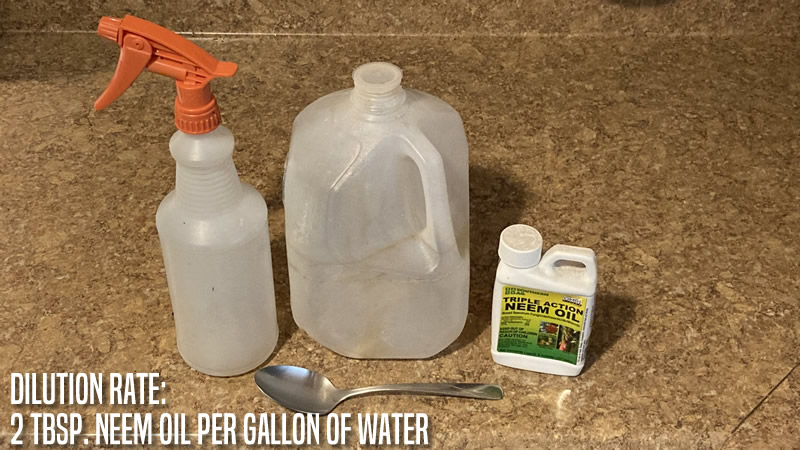
Horticultural oils are petroleum or plant-based oils that include neem oil. These oils make it difficult for the mold to cling to the plant and clog the breathing and other insects’ functions. Precautions are necessary when applying horticultural oils as they can burn non-targeted sensitive plants and your skin. Horticultural oils are non-selective pesticides that kill both pests and beneficial insects. Pond owners beware as horticultural oil is toxic to fish. It is crucial to limit overspray, prevent intrusion of the oil into your pond, and other water bodies via stormwater runoff.
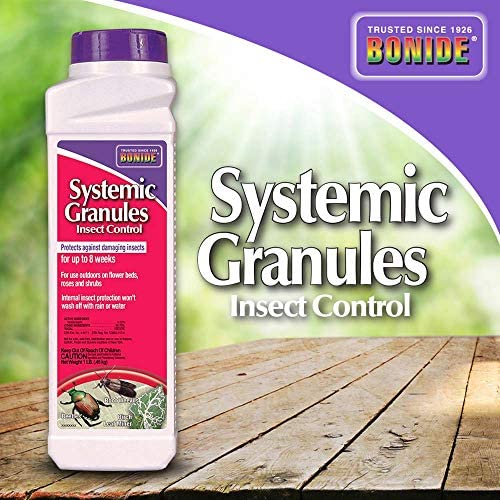
There are also various systemic pesticide treatments available for treating your lawn and garden. Bonide Systemic Granules is what we sell at our garden center and a reliable and effective product when the insecticidal soap and neem oil simply aren’t potent enough to knock down an infestation.
Once the sooty mold is gone, it is essential to maintain a healthy ecosystem for beneficial insects to thrive in and around your citrus trees, including companion planting, limiting the use of harmful chemicals, and proper fertilization of your trees. Some of the predators of these pest species include Ladybugs, Lacewings, and some predator wasps. If you don’t have them in your yard, and are considering trying to establish a population Arbico organics is a reliable source. Earth Works garden center has the organic treatments mentioned in this article available for purchase, and our lawn care department can set you up with fertilization, lawn pest control, and general lawn maintenance programs.
And remember that for comprehensive solutions to your specific lawn, garden and landscaping need contact Earth Works of Jacksonville online and at 904-996-0712. Earth Works operates a retail Garden Center/Plant Nursery in Jacksonville and provides landscaping, hardscaping, water features, lawn care service, lawn spraying, and drainage solutions.
Earth Works proudly serves clients in Northeast Florida, including Jacksonville, Ponte Vedra Beach, Atlantic Beach, Neptune Beach, Jacksonville Beach, Nocatee, St. Johns, Fleming Island, Orange Park, Middleburg, Green Cove Springs, Amelia Island, Fernandina, and St. Augustine.
First of all, it is useful to consider the “Four Ds” of pruning, which are prune when plants are, “dead, diseased, damaged, and dangerous”. Yet, we also prune trees for a variety of other reasons such as general appearance or to deal with their having been planted in a location where they may grow too close to a window or under a power line. So what do we do about crape myrtle pruning?
Specific to crape myrtles know that they are deciduous trees that do well without pruning. Yet, as a popular landscape plant they regularly come under assault from loping shears and pruners. Proper crape myrtle pruning is best done as a consistent cultural practice of modest trimming over the lifetime of these beautiful heavy blooming trees.
Pros include: -Crape Myrtles bloom on new growth stimulated by pruning. -Thinning out crossing limbs in the center of the crape myrtle improves light and airflow within the canopy. -Low lying limbs can be a hazard in the landscape and roadways that warrant pruning. -Pruning crape myrtles can improve their appearance.
Cons include: -When mature thick trunked crape myrtles are topped the thin new growth may not be able to support their sizable blooms. This is called “crape murder.” -Excessive trimming increases the crape myrtles risk from diseases and pests.
Limited pruning over the life of a crape myrtle reduces the possibility of them becoming crisscrossing branched thickets susceptible to disease that pokes out eyes and grows into the path of road traffic.
Take your yard to the next level with Earth Works’ comprehensive lawn care services. Get an instant quote from Earth Works to take care of the crape myrtle pruning and all your lawn care needs!
And remember that for comprehensive solutions to your specific lawn, garden and landscaping needs contact Earth Works of Jacksonville online and at 904-996-0712.
Earth Works operates a retail Garden Center/Plant Nursery in Jacksonville and provides landscaping, hardscaping, water features, lawn care service, lawn spraying, and drainage solutions. Earth Works proudly serves clients in Northeast Florida, including Jacksonville, Ponte Vedra Beach, Atlantic Beach, Neptune Beach, Jacksonville Beach, Nocatee, St. Johns, Fleming Island, Orange Park, Middleburg, Green Cove Springs, Amelia Island, Fernandina, and St. Augustine.
Earth Works provides quotes for annual winter pond clean out service for Aquascape ecosystem ponds we built and any pond system design whether it was a commercial or DIY constructed pond. Earth Works designs and builds low-maintenance ecosystem ponds that collect the majority of debris in the skimmer basket, but some debris settles to the pond bottom that requires periodic clean out. From our experience with unserviced pond debris buildup for water quality concerns, we recommend an annual winter pond clean out service.
“So we recommend once a year,” Jason Duffney, Earth Works owner said at recent Pond Clean Out Seminar. “That’s what we have found is the secret sauce. Don’t wait beyond three years.” Thus, when contacting Earth Works to schedule a pond clean out our standard quotations are based on annual service of your pond considering its size, equipment configuration and design. Pond clean out pricing increases for ponds that have multiple years of built up muck and debris.
Looks can be deceiving when trying to assess if your pond needs the clean out after year one, two or three. “It may not look that bad,” Glenn Stanza, Earth Works pond clean out specialist said. “You just wait and see how much dirt comes out of that pond (during clean out). The dirt settles, there is going to be sediment in the bottom of that thing. It’s bad. And if you let it go and let it go there is so much dirt in there that the pond can’t handle it. It can’t flush it out.”
Winter is the best time to schedule your annual pond clean out for the health of your pond ecosystem. ‘If you do a clean out like we are doing here in June, July, August, September you have to sign a waiver,” Jason Duffney said. “It’s too hot. We actually think it is very bad to do those clean outs that time of year. It’s just not good for the pond. So, once a year and do it ideally December, January and February are the best months.” As an incentive, Earth Works provides discounts on pond clean outs scheduled during the cooler months for the health of your pond ecosystem and to accommodate your year-long enjoyment.
And remember that for comprehensive solutions to your specific lawn, garden and landscaping need contact Earth Works of Jacksonville online and at 904-996-0712. Earth Works operates a retail Garden Center/Plant Nursery in Jacksonville and provides landscaping, hardscaping, water features, lawn care service, lawn spraying, and drainage solutions. Earth Works proudly serves clients in Northeast Florida, including Jacksonville, Ponte Vedra Beach, Atlantic Beach, Neptune Beach, Jacksonville Beach, Nocatee, St. Johns, Fleming Island, Orange Park, Middleburg, Green Cove Springs, Amelia Island, Fernandina, and St. Augustine.
There are many types and varieties of roses available at Earth Works for your North Florida landscape that have unique care requirements. Drift roses, knockouts, hybrid teas, miniatures, bush and climbing roses are among the types of this popular shrub that we encounter. Once your roses are established though as a general rule we follow the University of Florida recommendation that your rose pruning is done for North Florida in the late winter months of January and February as their leaf buds begin to swell and break dormancy.
The key benefits of properly timed rose pruning include encouraging disease-free healthy growth and appearance, new growth, and better blooms. As with other plant varieties, pruning can be done any time of year to address dead, diseased, damaged, or dangerous growth.
Don’t fret or fear pruning incorrectly as it is better to have pruned your roses back than not at all as they are resilient, but unkept potentially dead, diseased, or damaged canes are a detriment to their health and others in the rose bed. Proper rose pruning includes thinning out crisscrossing rose canes that by pruning increases air circulation and sunlight penetration, which encourages photosynthesis, and reduces moisture on leaf surfaces that are an invitation for pests and disease.
As a general rule with plant shape in mind, cut rose canes back 1/3 to 1/2 making clean cuts at a 45-degree angle with sterilized pruning shears directly above the bud eye where new branching occurs. Likewise, cut out suckers that arise from rootstock and remove accumulated debris at the plant base. Then in February resume your monthly fertilization schedule for a bountiful season of beautiful rose blooms. For more specific rose variety information visit and speak with an Earth Works garden guide at our Jacksonville garden center.
And remember that for comprehensive solutions to your specific lawn, garden and landscaping need contact Earth Works of Jacksonville online and at 904-996-0712. Earth Works operates a retail Garden Center/Plant Nursery in Jacksonville and provides landscaping, hardscaping, water features, lawn care service, lawn spraying, and drainage solutions. Earth Works proudly serves clients in Northeast Florida, including Jacksonville, Ponte Vedra Beach, Atlantic Beach, Neptune Beach, Jacksonville Beach, Nocatee, St. Johns, Fleming Island, Orange Park, Middleburg, Green Cove Springs, Amelia Island, Fernandina, and St. Augustine.
The word “xeriscape” is derived from the Greek “xeros,” meaning dry, and “scape,” a kind of view or scene. Together, xeriscaping is landscaping with slow-growing, drought-tolerant plants to conserve water and establish a waste-efficient landscape.
Landscapes can be designed from the start to reduce the amount of resources needed to maintain them. By selecting the appropriate plants and efficient irrigation systems, a balance can be achieved to fit your aesthetic needs as well as reduce resource use. Benefits of xeriscaping include cost savings through lower water bills and a reduction in the labor needed to maintain your landscape.
Elements of Xeriscaping
Designing a resource-efficient landscape requires the incorporation of a few design elements.
• Zoning–grouping plants in the landscape according to their water requirements. For example, water-loving plants should be grouped separately from drought-tolerant plants. This allows for the proper amount of water to be distributed to the plants as they need it.
• Use of drought-tolerant plants–these plants require less water and are adapted to drought conditions and soils with low water-holding capacities.
• Drought-tolerant turf–Ask your local nurseries which grass varieties have excellent drought tolerance and will grow well in your yard’s soil type. Centipede grass is appropriate for most of the Southeast. In Florida, bahiagrass, bermudagrass, and zoysiagrass all have excellent drought tolerance and may be suitable for your area as well. During dry periods, allow the turf to go dormant. When the rain comes, these grasses will turn green again.
• Mulch, mulch, mulch–because mulch reduces evaporation, it is used extensively in xeriscaping to replace areas that require extensive watering. Mulch can also be used to create paths or walkways throughout your landscape.
A few great plants for xeriscaping in NE Florida
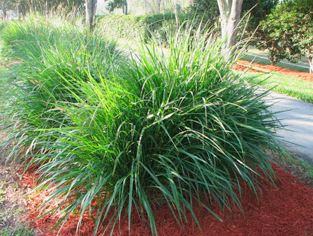
1. Fakahatchee Grass. A Florida native grass that is drought tolerant but able to deal with those rainy summer days here in N.E. FL. It is somewhat salt tolerant as well and likes full sun. Many kinds of grass are considered drought tolerant and are perfect for xeriscaping. Others include Pampas, Fountain, Muhly, and Cord grasses
2. Helianthus. Commonly known as the beach sunflower, this cheerful, low-growing plant has bright, sunflowerlike blooms. A mature plant can cover several feet in diameter, so it makes a great ground cover. It will attract many species of butterflies.
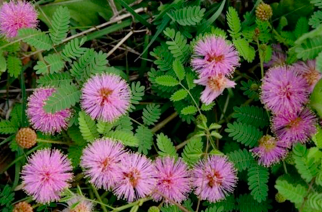
3. Sunshine Mimosa. This is also known as the powderpuff mimosa, because of its distinctive pink flowers that resemble little fiber-optic puffs. It has deep roots, so once you get it established, it requires very little maintenance. A healthy, mature plant can spread as much as 12 inches in a day, providing excellent ground cover. It can even be mixed with grass and mowed without damaging the plant.
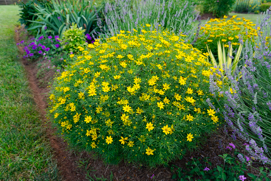
4. Coreopsis. Its sunny, daisylike flowers are beautiful and great for butterflies and pollinators. Once it is established, it’s sun- and drought-tolerant. A mature plant will re-seed itself, which means you don’t just have it once, you have it all the time. Fun fact: The coreopsis is Florida’s state wildflower.
5. Gaillardia. Also known as blanket flower, it has distinctive bright orange and red flowers. It is highly salt-tolerant, prefers sunny locations, and it will seed itself. As an added bonus, the pretty blossoms can last a long time in flower arrangements.
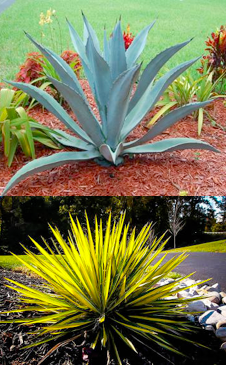
2. Agave and Yucca Plants. Few plants can match the bold and dramatic landscape impact of agave and yucca, both excellent choices for truly low maintenance low water gardening. These amazingly tough plants endure the extremes, hot sun, sandy soil, dry conditions, and salty spots with elegance and style. Combine with landscape boulders for a finishing touch.
Most water gardeners are aware of the importance that good quality water plays in a pond habitat. Not knowing how to get or keep water quality can sometimes prove challenging. Your water may be clear, but your fish might be acting differently, which can signify that something might be a little off in your pond’s water.
With a little education and experience, you’ll become better equipped to solve whatever pond water issues you might have. For starters, follow our 7 tips below to help keep your pond water clean!
1. Maintain a healthy fish population
If you have more than 10” of fish for every 100 gallons of water, your pond is likely over-populated. Excessive fish waste can cause an imbalance in pond water. Consider finding some of them a new home. Many pond retailers and contractors will accept your fish.
2. Don’t over-feed your fish
When you feed fish more than they can eat, the uneaten food is left to decay in the pond. Be careful not to feed your fish more than once per day, and no more than they can eat in 2 to 3 minutes. Choose a quality fish food – preferably one that floats as opposed to sinking to the bottom of the pond if left uneaten.
3. Create a proper balance of plants
At season’s peak, you should have 40% to 60% of the surface area of your pond either covered or shaded by plants. Too many plants can cause oxygen deficiencies at night due to the photosynthetic process, when the plants take in oxygen and give off carbon dioxide. Your fish need the oxygen to survive (see tip #7).
4. Choose the right size pump for your pond
You should be circulating the entire pond’s water volume a minimum of once every hour. Make sure your pump’s flow isn’t restricted by debris in the skimmer or biological filter, and be careful not to pump water higher than it was intended. Every pump has its flow limitations. We’ve made it easy for you to choose the correct size pump for your pond and waterfall with our online pump selection guide.
5. Clean debris from pond before it has a chance to decay
Your pond skimmer will remove most of the debris from the surface of your pond, but you can also use a pond net to skim leaves and small sticks before they have a chance to descend to the pond’s bottom where they’ll decay. Decaying debris, combined with fish waste and leftover fish food, can cause ammonia levels to spike in your pond.
Ammonia can be harmful to your fish and should be addressed right away. If you see your fish jumping out of the water, you likely have an ammonia spike which can happen after adding an algae treatment. You can purchase an ammonia test kit at your local pet and aquarium store and if you find the levels are high, simply treat your pond water with Ammonia Neutralizer. Beneficial microbes such as Aquascape Beneficial Bacteria helps keep your pond water healthy and clean for your finned friends. Better yet, install an Automatic Dosing System to electronically dispense beneficial bacteria and other treatments to your pond to help with breaking down debris and maintaining a proper nitrogen cycle.
6. Choose proper filtration for your pond
Just like your pond pump, your pond’s filter should match the size of your water garden. Most pond filters are based on ideal circumstances, and if you exceed those, your filter becomes less effective. Always up-size your filter so that it can handle more than the capacity of your pond and remember to clean your filter according to instructions.
There are two types of filters in an Aquascape ecosystem pond. A mechanical filter, also known as the skimmer, removes surface debris from your pond water such as leaves and small sticks. The biological filter, or BioFalls filter, is positioned to create the beginning of the waterfall in your pond. This filter uses bacteria to break down pond wastes, converting them into less harmful compounds that can be absorbed as fertilizer by your aquatic plants.
7. Keep your pond cool during the dog days of summer
When pond water exceeds 75º Fahrenheit, it has a difficult time retaining acceptable levels of dissolved oxygen, which is critical for the health of your fish. This is why it’s important to have the surface of your pond shaded by aquatic plants (see tip #3) – to help keep pond water cool. Fish need oxygen to survive. If you see them at the pond’s surface gasping for air, add an aerator to help them during times of extreme heat.
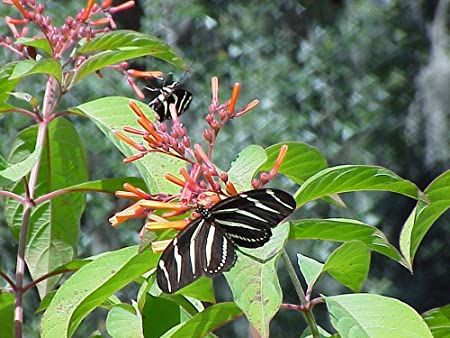
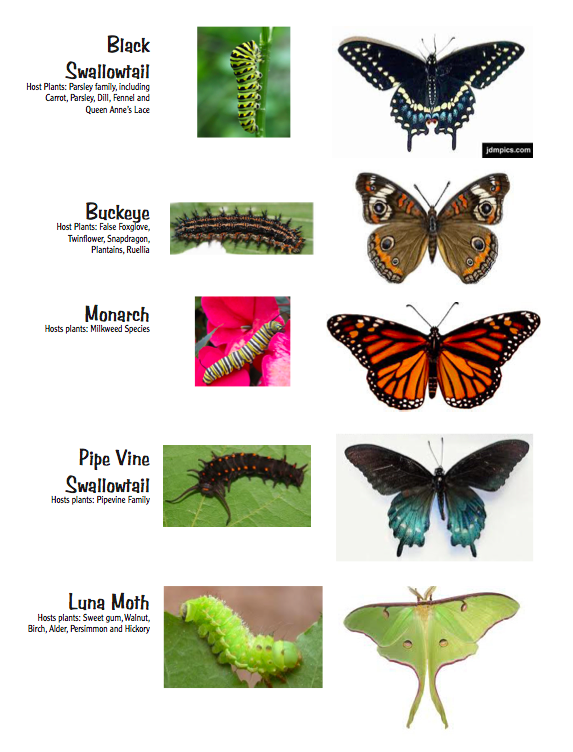
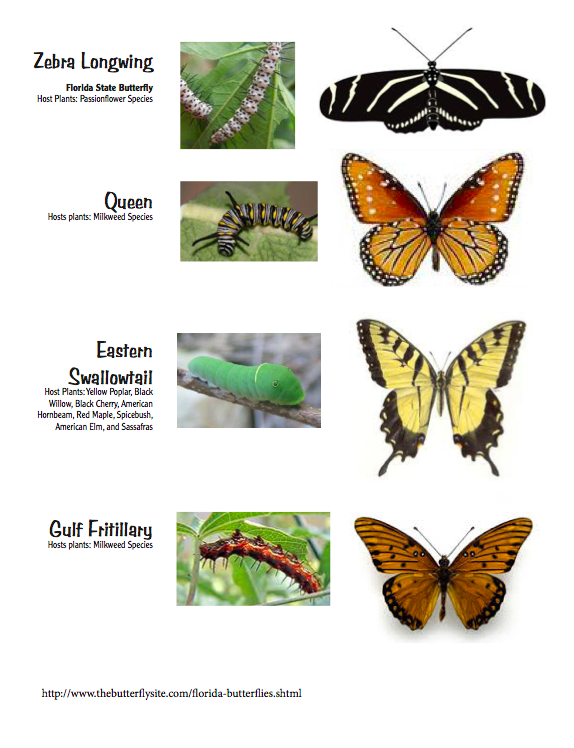
There are several levels of butterfly gardening depending on whether you want to just attract a few or provide a habitat inviting several varieties to move in lock, stock, and chrysalis. You can start by planting a few nectar plants or providing other lures to attract the butterflies in your area. You may find that you’re satisfied or that you’re so enchanted by your fluttering visitors that you want to do more.
Butterfly habitat necessities
Adult food sources In the garden, these are most often plants that provide nectar for adult butterflies. Most butterflies aren’t very picky and will feed on a variety of flowering plants, though they may have a favorite or two. Fermenting fruit also makes a good food source.
Host plants Plants that provide a site for the butterfly to lay eggs and a food source for the emerging caterpillar. Be prepared for heavy munching on host plants. Since highly preferred hosts may be unattractive or eaten until they have few leaves, mix in with other plants.
Shelter Woody plants located near the nectar plants will provide butterflies with shelter during bad weather and at night.
Water Butterflies can’t drink from open water. They prefer very wet sand or soil.
Planning a successful butterfly garden
Butterfly species Determine which species live in your area and which ones you want to attract. Several walks around your neighborhood will help you determine which butterflies are in the area and what they’re feeding on.
Select a site Choose a site for your butterfly garden that receives full sun, defined as six or more hours of direct sunlight daily. A little bit of late afternoon shade is fine, but most butterfly garden plants need bright sunlight. If you’re adding plants to an existing bed, try to cluster butterfly-attracting plants together. This provides a variety of places for butterflies to feed. If you’re creating a new garden, select a spot that’s easy to see from a porch, deck, or window so you can enjoy the bright colors and antics of visiting butterflies. Group plants together in clusters of three or other odd numbers. This looks more natural from a distance. Clustering flowers together by color, such as all red or orange blossoms together also forms a more cohesive look. Avoid the use of broad-spectrum insecticides, especially Bacillus thuringensis (BT), or any insecticide that is applied broadly in the environment.
Decide on the type of garden Select plants suited to the selected butterfly species and that will fit in with the type of garden you’d like to have whether it be formal or natural or somewhere in between. You can even have a butterfly rock garden. If you have an area that gradually slopes to the south, it’s an ideal spot for a butterfly rock garden. Include flat stones and low-growing butterfly plants, such as lantana, Stoke’s aster, and clover.
Adult food plants Find out more about the native nectar plants that will attract the butterflies in your area. Butterflies are attracted by sweet-, pungent- and acrid-smelling flowers that are orange, yellow, pink, purple and red.
Other attractions Sugaring* may be just the entree for your neighborhood butterflies or perhaps a nectar feeder. You might also consider providing a “puddle” or an area for basking. Some butterflies sip moisture and nutrients from moist soil. You can provide a puddle by allowing water to stand in a depression in your yard or by placing sand in a wide shallow container and keeping it moist. Puddles should be in an open area. Butterflies also bask in the sun to raise their body temperatures so they can fly. You can accommodate them by including some flat rocks in your garden. A few extra-large rocks provide more perching and sunning spots for butterflies.
Host plants Find out more about the host plants that butterflies will lay eggs on and that will feed the caterpillars. Host plants aren’t just maternity wards. Many butterflies are more likely to frequent nectar plants that are near host plants and may feed on the host plants, too.
*Sugaring Sugaring involves combining one can of beer, a pound of sugar, a half cup of dark molasses and some very ripe fruit in a blender and allowing the mixture to thicken to a spreadable consistency. After letting the tantalizing elixir ferment for about a day, you brush it onto tree trunks or posts or place it in a dish on a flat surface and then wait for the butterflies to arrive.
Butterfly Plants
Flowers
Aster Bee balm Black-Eyed Susan Buddleia Butterfly bush Cannas Catmint Coreopsis Daylily False indigo Gaillardia Goldenrod Guara Hollyhock Joe Pye Weed Lantana
Curb appeal comes in many different forms, and it can greatly improve your ability to sell your home quickly and for a great price. Even if you’re not thinking about selling just yet, it’s a good idea to consider your landscaping and other outdoor aesthetics, as they can significantly raise your home’s value. The lawn and garden are the main factors to address, but you can also paint your front door, replace your mailbox, or add some color to your porch.
It’s a good idea to think about how you can easily maintain your lawn area and how to take preventative steps to keep the front of your home looking great. This might include sealing a wooden porch against the elements or ensuring the gutters are sturdy and clean. There are lots of things to think about, so take it one step at a time in order to prevent becoming overwhelmed.
Here are a few tips on how to get started when you need to add curb appeal to your home.
Hire a Professional
Do you hate gardening with a passion? No problem. You can find a great gardening service in your area that will help you control weeds, plan out an easy-to-maintain landscape, and/or keep bushes and trees looking beautiful without wrecking your budget. A professional gardening service can also help you keep your lawn looking great all year round, which is essential for homeowners who live in parts of the country with unforgiving winters or harsh summers.
Repaint
Painting your front door, porch, columns, shutters, fence, mailbox, or garage door can liven things up a bit and give your home a pop of color without breaking the bank. There are a few different ways you can go about it; some people like to use spray paint because it allows them to control the area a bit more. But depending on the material, you can also use a paintbrush. Make sure you wipe down the surface carefully before applying paint, cover up any hardware with tape, and wait for the right time; for most of these projects, the weather will need to be just right.
Embrace the Details
There are many little things you can do to boost your home’s curb appeal, and focusing on these details rather than going big will help you save money. Update your welcome mat, replace lighting fixtures, add small flower pots to the porch, or add a new wreath to the front door. You can also find seasonal flags to hang that will offer a bit of color to the front of your home. Just be sure not to go overboard, as too much can be just as bad as not enough. Keep things symmetrical when possible, unify the color scheme, and make sure the lawn and porch are tidy.
Fix Up the Siding and Gutters
Especially important if you’re going to be selling your home, fixing up the roof, siding, and gutters can definitely help the house stand out. These things can be affected by the weather, trees, and extreme temperatures, and they can deteriorate even in just a year’s time, making it crucial for you to stay on top of them. Also, ensuring that there are no cracks, broken parts, debris, leaves, or mold can go a long way toward creating a better aesthetic for your home.
Boosting your home’s curb appeal doesn’t have to be a stressful job that costs a lot of money. With a bit of creativity, you can make some changes that will take your house to the next level and add to its value without spending money that you could be using for something
For those of us who keep our dogs in the backyard, we know it can be a challenge to keep them entertained back there. There aren’t many doggy toys that can survive the test of time, and aside from chew toys or rawhide bones, it can be difficult to come up with new ideas for keeping them entertained. Thankfully, there are a handful of backyard design ideas that a dog lover such as yourself can use to keep your pups happy. In case you’ve got some furry friends in your backyard, here are some of the best design ideas that they’re guaranteed to love.
1. Add Some Shade Most dogs have a lot of fur, so even in mildly warm temperatures, they can get uncomfortably hot. For this reason, all dogs love to relax in the shade. There are a few ways you can add some shade to your backyard, from putting up a small doggy tent to building a porch with a durable patio ceiling. Another option that many homeowners prefer is planting a beautiful tree that blends in naturally to your landscaping. Remember that plants native to your area will be the most steadfast and durable, requiring less upkeep. For any and all plant additions to your yard, be sure that they are not harmful or dangerous to your pet.
2. Build a Deck Adding a deck to your backyard provides some variety, and your dogs will enjoy the opportunity to hide their bones in a new spot. You can’t just build any old deck for your dogs though, it has to be especially durable to handle wear and tear. Depending on the size of your backyard and your dogs, you’ll need to do some calculations with a deck building calculator before you begin.
3. Add a Water Feature The only thing most dogs love more than shade is water. Adding a shallow pool, pond, or fountain for them to wade in will provide endless entertainment and just one more thing to occupy their minds. Alternatively, a pondless waterfall could be another great way to cool off your pup. You’ll want to include some paving, preferably of the permeable variety, around your pool. This will allow the spill-over from the pool to neatly drain away through the paving without causing mudholes and messy ruts.
4. Upgrade Your Fencing Fencing is important to have if you own dogs. Unless they are house-trained, most dogs will wander off if they aren’t fenced in. A good fence allows them to roam free while keeping them on your property. Depending on your preferences, surroundings, and the disposition of your dogs, you can either go with solid fencing or see-through fencing. You might also want to lay down some solid footboard around the edges of your fence so your dogs can’t dig under it. Trust me, they’ll try.
It’s Not Hard to Keep Your Dogs Happy A backyard can get boring fast for dogs. That’s why you should spice yours up with one or two of the ideas we’ve laid out in this article. From fencing to a shallow pool, a deck, and some shade, all of these ideas are sure to please your dogs and keep their tails wagging for the foreseeable future. You could even implement all of them and create a paradise that any dog would envy, it’s up to you.
Jordan Swift is a contributor to Innovative Building Materials. He is a blogger and a content writer for the building materials industry with an interest in landscaping and outdoor remodeling. Jordan is focused on educating homeowners, contractors, and architects on innovative materials and methods of construction that increase property value, improve sustainability, and create a warm and welcoming ambiance.
We all know mulch serves as a decorative landscape accent and weed block during the growing season. But did you know that mulch is also beneficial in the landscape to protect Florida plants from the freezing temperatures of Winter?
In addition to looking great the purpose of Winter Mulching is primarily to protect your plant’s root systems from exposure during freezing temperatures. Picking the proper mulch for your winter mulching needs and using appropriately is key to maintaining healthy plants in your Florida landscape.
The products we recommend for winter mulching:
Pine straw – a good lightweight mulch choice for flower and vegetable beds and around shrubs. Pine Bark chips – Decomposes slowly and is available in chipped and shredded form. Avoid those made from pressure-treated wood. Cypress mulch – Used year-round particularly as decorative border material in flowerbeds. Cypress mulch should be rotated out of beds every few years due to excessive compacting and fungus buildup.
You may also use raked up leaves from various trees as mulch material, which is a good alternative with composting value, returning nutrients into the soil.
When applying mulch around trees and shrubs leave a mulch-free zone of a few inches around the trunks. For winterizing mulch we recommend to use up to six inches of pine straw and 2-4 inches for the heavier, more compactable pine barks and cypress mulches.
Don’t Forget: Many of our non-native plants such as tropicals require foliage to be protected from frost by using frost cloth or bringing potted plants indoors. Potted plants likewise require special attention as the soil in the pot can be at greater risk of freezing than if planted in the ground.
One More TIP: Over mulching around deciduous plants (those that drop leaves seasonally) may concentrate too much warmth and trigger a break in their dormancy cycle stimulating new growth that becomes stressed with ongoing cold weather.
Share Your Story!
Manage Consent
To provide the best experiences, we use technologies like cookies to store and/or access device information. Consenting to these technologies will allow us to process data such as browsing behavior or unique IDs on this site. Not consenting or withdrawing consent, may adversely affect certain features and functions.
Functional
Always active
The technical storage or access is strictly necessary for the legitimate purpose of enabling the use of a specific service explicitly requested by the subscriber or user, or for the sole purpose of carrying out the transmission of a communication over an electronic communications network.
Preferences
The technical storage or access is necessary for the legitimate purpose of storing preferences that are not requested by the subscriber or user.
Statistics
The technical storage or access that is used exclusively for statistical purposes.The technical storage or access that is used exclusively for anonymous statistical purposes. Without a subpoena, voluntary compliance on the part of your Internet Service Provider, or additional records from a third party, information stored or retrieved for this purpose alone cannot usually be used to identify you.
Marketing
The technical storage or access is required to create user profiles to send advertising, or to track the user on a website or across several websites for similar marketing purposes.