Category Archives: Landscaping

Spring Garden Pruning Tips

Spring Garden Pruning Tips

Spring Into Pruning: Tips for a Healthier Garden


Spring is the perfect time to shape up your landscape—and a little thoughtful pruning goes a long way toward keeping your plants healthy, blooming, and looking their best.
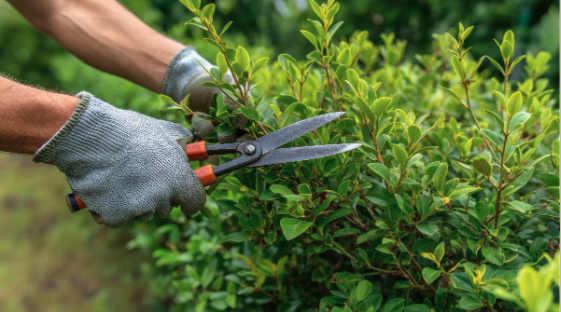
Pruning Hedges

Pruning Basics for All Plants

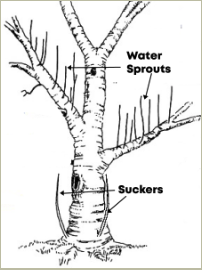
Pruning Diagram

Before you get too clip-happy, start with these universal tips:

  • Remove dead, diseased, or damaged wood as soon as you see it—this helps prevent insect damage and disease spread.
  • Cut out crossing branches, water sprouts (vigorous upright shoots on trunks/branches), and suckers (fast-growing shoots from the base or roots).
  • Always use clean, sharp tools and make cuts just above a healthy bud or branch.
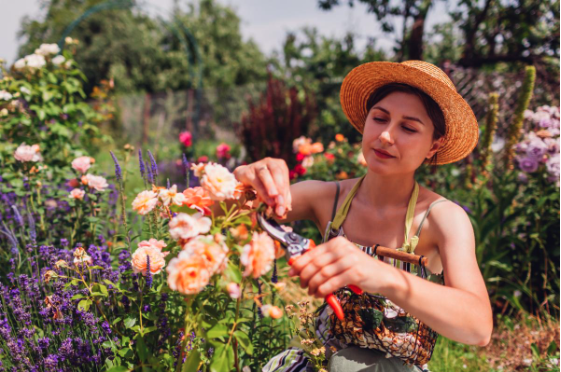
Pruning Roses

What to Prune in Florida This Spring

🌸 Azaleas & Other Spring Bloomers

Prune right after flowering. These plants bloom on last year’s growth—cutting too late removes next year’s flowers.

🌼 Crape Myrtle & Summer-Blooming Shrubs

These bloom on new growth, so prune in late winter or early spring. You can even cut them back hard—they’ll still bloom beautifully!

💐 Hydrangeas

Most types bloom on old wood—prune before midsummer to avoid cutting off buds. Newer reblooming varieties are more forgiving.

🌿 Foliage Shrubs (like Loropetalum & Ligustrum)

These can be shaped almost anytime—just avoid heavy pruning in late fall when growth won’t harden off before winter.

🌳 Clipped Hedges (Boxwood, Podocarpus)

Shear frequently in early spring to maintain a tidy shape. Stop by late fall to prevent frost damage.

🌹 Roses

For repeat bloomers like Knock Out and Drift roses, prune in early spring to remove winter damage and shape the plant. For once-a-year bloomers, wait until after flowering.

🌼 Perennials & Annuals

Deadhead often to keep the blooms coming. Leggy plants? Cut them back by half to encourage stockier growth and rebloom.

🍊 Citrus Trees

Remove suckers from the base of young trees. Mature trees need little canopy pruning—only cut to remove freeze or disease damage, or to prevent crowding.

GARDENING PRO TIP

Need Help?

Bring in photos or ask a team member—we’re happy to show you exactly when and how to prune your favorite plants!
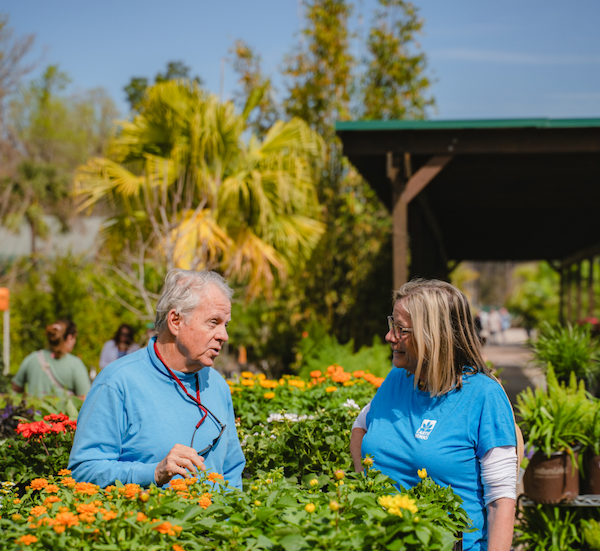
Customer Care

A May Welcome from Matt & Rhonda

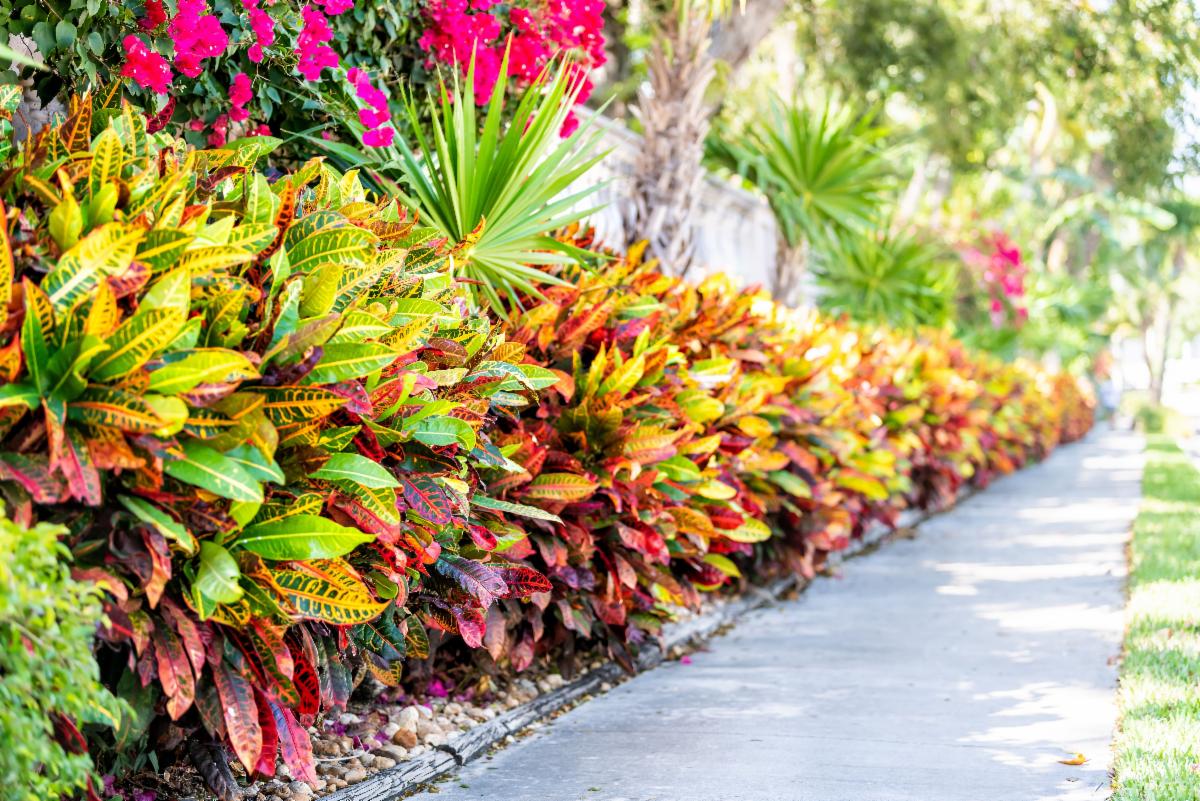
croton in the garden

It’s starting to look and feel like a tropical paradise here at Earth Works! The Garden Center is bursting with vibrant tropical shrubs, lush palm trees, and exotic flowers that bring instant vacation vibes to any landscape.

Now’s also the perfect time to bring in the pollinators—birds, bees, and butterflies are buzzing, and our wide selection of hardy perennials and dazzling annuals will keep them coming back all season long.
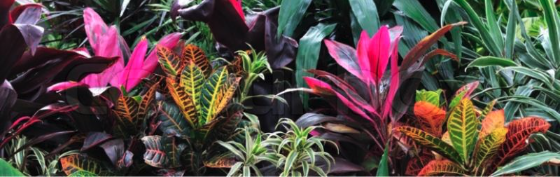
Tropicals
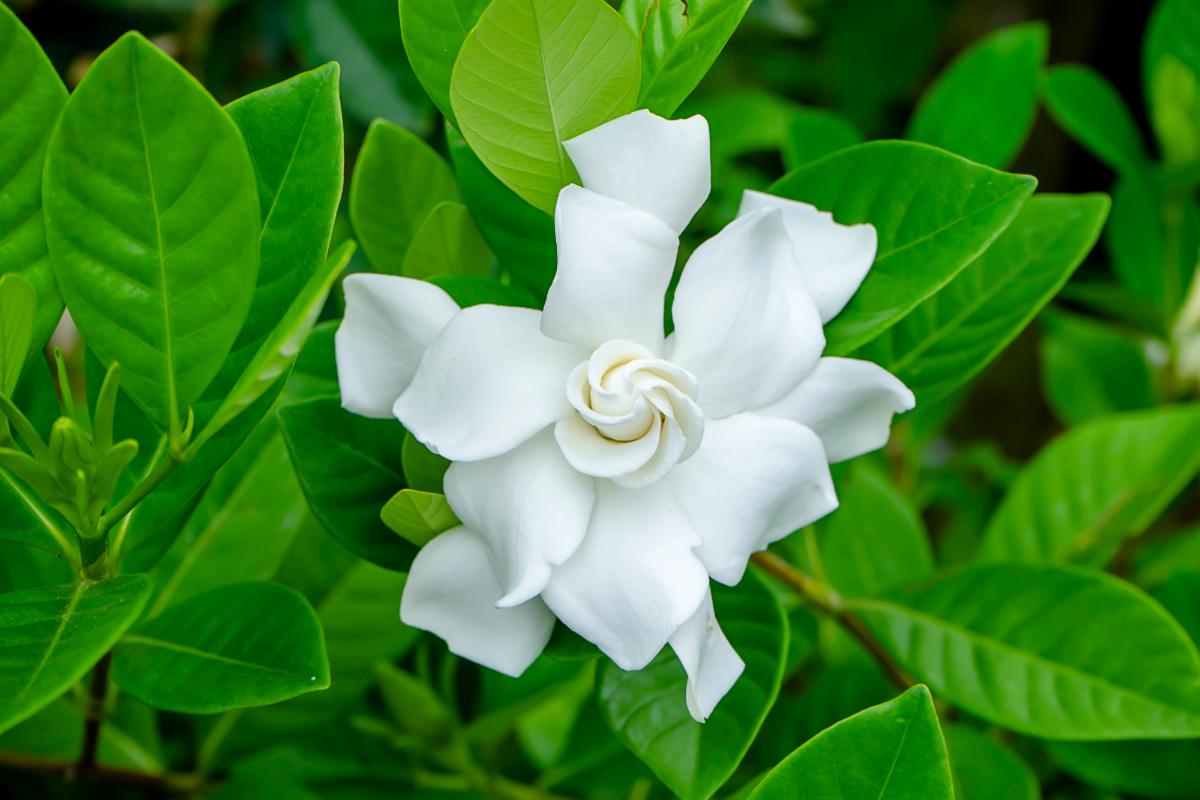
Gardenia

Don’t miss the gardenias this month—these fragrant beauties are ideal for planting near patios or porches, and a few fresh cuttings indoors will fill your space with their signature scent.

And finally, our Tree of the Month, the magnolia, is ready to steal the show. If yours isn’t blooming yet, it will be soon—those iconic blossoms are a sure sign that summer’s just around the corner.
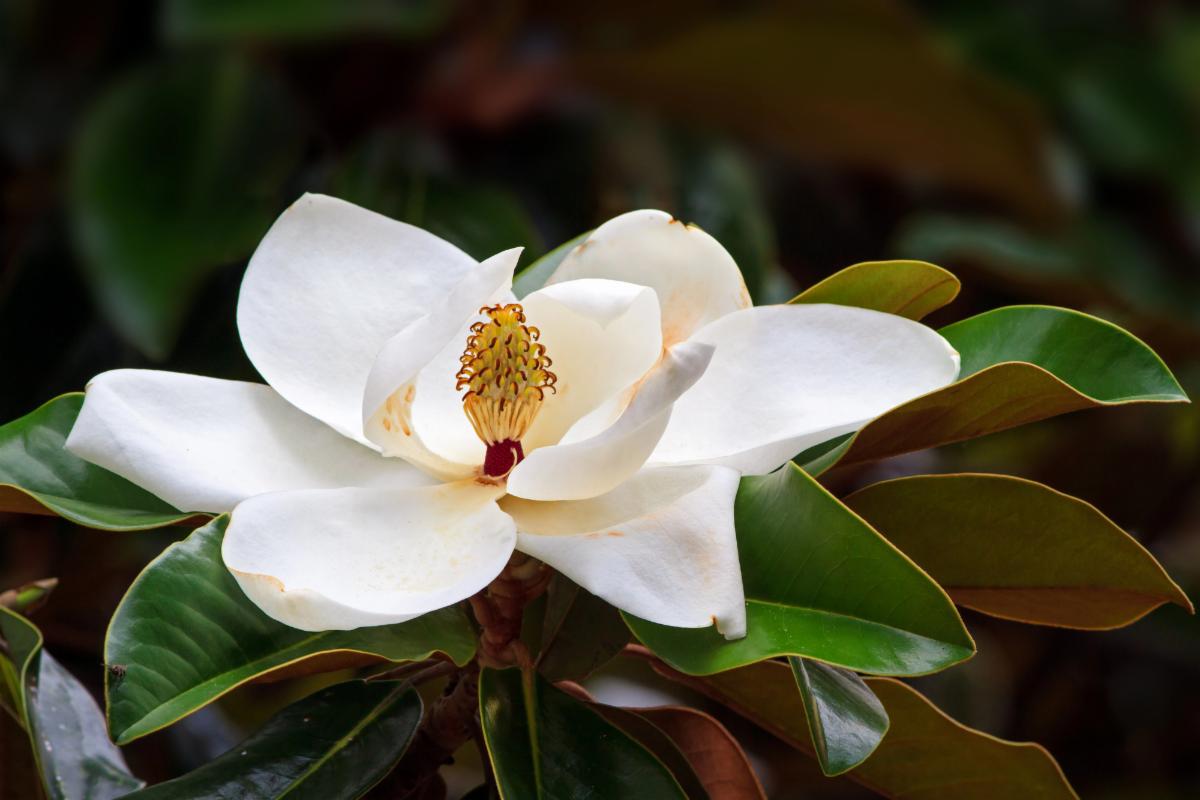
Magnolia

Hope to see you soon,

—Matt & Rhonda, Garden Center Managers

Inside Matt’s Garden Shed

Where Matt shares his favorite go-to products every gardener should keep on hand.

From tried-and-true essentials to clever time-savers, these picks help make lawn and garden care easier and more effective.
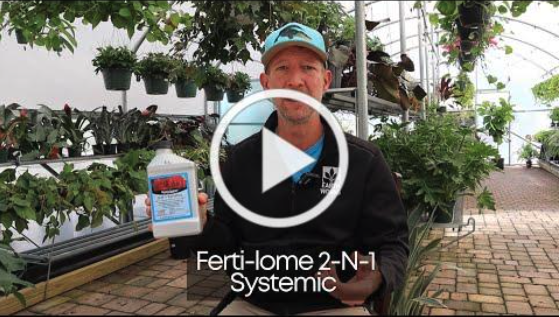
Fertilome 2 1 Systemic

Services

  • Landscape Design & Installation
  • Paver Patios, Paver Walkways, Paver Driveways
  • Firepits, Retaining Walls , Seat Walls,
  • Landscape Lighting, Drainage design & Installation,
  • Lawn Care Services, Lawn Maintenance, Lawn Fertilization
  • Lawn Pest Control, Lawn Weed Control
  • Aeration and Top Dressing
  • Water Features, Koi Ponds,
  • Waterfalls, Bubbling Fountains
  • Garden Center & Pond Supply Store

General Services Areas

Jacksonville (Jax), Jacksonville Beach, Neptune Beach, Atlantic Beach, Ponte Vedra Beach, Ponte Vedra, Fernandina Beach, Amelia Island, Orange Park, St. Johns, Nocatee

Location

GARDEN CENTER
12501 Beach Blvd
Jacksonville, FL 32246

LANDSCAPE OPERATIONS
(not open to the public)
St. Johns Bluff
1057 St. Johns Bluff Rd. N.
Jacksonville, FL 32225

Hours

Monday-Saturday 9-5
Sunday 10-5

HOLIDAY CLOSINGS
New Year’s Day • Easter • Memorial Day
July 4th • Labor Day • Thanksgiving Day
Christmas Eve • Christmas Day
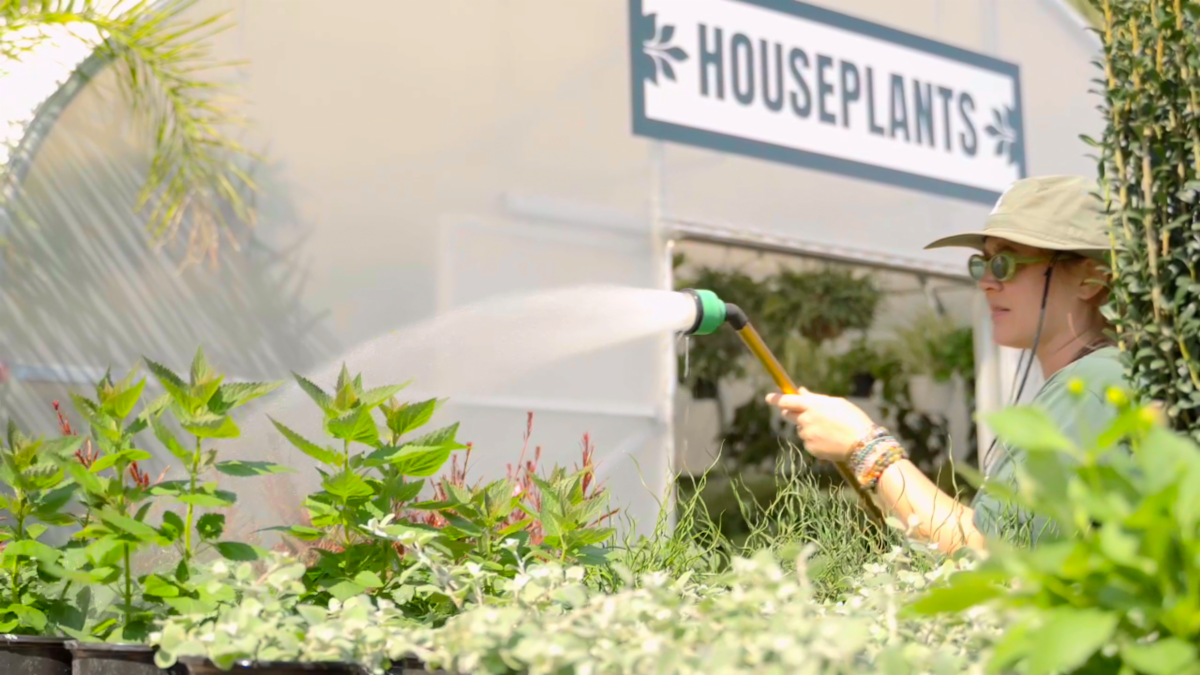
Smart Watering Tips for NE Florida

Smart Watering Tips for NE Florida

Spring Success Starts with Smart Watering

Matt Barlow 2

lA Note from

Matthew Barlow

Do April showers bring May flowers? Maybe up North—but here in NE FLorida, we usually face dry conditions during late winter and early spring. Every year is a little different, but as the weather warms up, it’s important to keep a close eye on anything you’ve recently planted. If you haven’t checked your irrigation system yet, now’s the time. A little extra attention now can make all the difference in helping your new landscape take root and thrive.

Matthew’s Garden Tips

Essential Watering Tips for Freshly Planted Landscapes


Spring Plantings Need a Little Extra Love 🌿

It’s planting season in Northeast Florida! But even the healthiest new trees, shrubs, and flowers need consistent care to thrive—especially when it comes to watering. Nursery plants are used to daily water and need time to adjust to life in your yard.

Why Watering Matters

Sprinklers alone often aren’t enough. New plantings need targeted hand watering or a drip system to get their roots established and ensure long-term success

Watering<br />
plants

Watering Guidelines

💧 1-gallon plants & flowers

Hand-water daily for 2 weeks, then every other day, tapering to 2–3 times a week. These small plants dry out fast and need regular moisture, especially in warmer weather.

💧 3-gallon shrubs

Apply at least 1 gallon of water to the root ball every other day for 2 weeks, then twice a week for 2–3 months. These shrubs take up to 7 months to fully establish, so early care is essential.

💧 Large shrubs & trees (15-gal+)

Use a slow hose soak at the base for 10–15 minutes daily for 1 month, then every other day for 1 month, and twice a week for the next 3 months. Deep watering encourages strong root systems.

💧 Extra-large trees (4”+ trunk)

Drip or hand water daily for 6 weeks, then every other day for 5 months, tapering to weekly. Larger trees take longer to adjust and need ongoing care for up to 15 months.

When to Water Less

✔️ After heavy or frequent rain

✔️ In consistently damp soil

✔️ In deep shade or with drought-tolerant plants (though they still need help early on)

GARDENING PRO TIP

Water in the morning or late evening.

Never between 1–4 p.m. when most water is lost to evaporation.

Inside Matt’s Garden Shed

Where Matt shares his favorite go-to products every gardener should keep on hand.

From tried-and-true essentials to clever time-savers, these picks help make lawn and garden care easier and more effective.

Screenshot 2025 07 18 at 11.43.45 AM

Chad’s Lawn Care Advice

Lawn Watering Tips

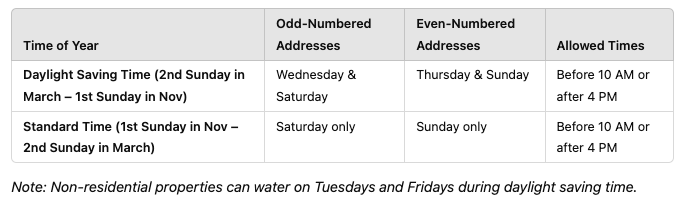
With the arrival of daylight saving time, Duval County’s watering restrictions have shifted—and with spring heating up, it’s time to make sure your lawn is getting exactly what it needs to stay healthy and green.

lawn care jacksonville fl

Know Your Watering Days – Duval County Restrictions

Here’s a quick guide to the current watering schedule in Duval County, now that we’ve sprung forward:

Screenshot 2025 03 28 at 3.15.45 PM

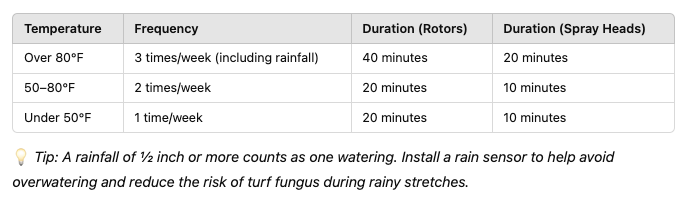
Watering Guidelines for Established Lawns

A healthy lawn requires different amounts of water depending on the season and temperature. Here’s a simple breakdown:

Screenshot 2025 03 28 at 3.15.57 PM
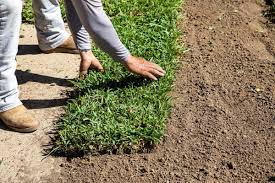
laying sod

Newly Installed Sod—Especially St. Augustine

New sod needs extra attention to take root and thrive, especially in Florida’s fluctuating spring weather. Here’s what to know:

  • Week 1–2: Water daily, ideally in the morning. St. Augustine sod typically needs ¼ to ½ inch of water per day, depending on temperature and wind.
  • Week 3–4: Water every other day.
  • Week 5–6: Transition to your regular watering schedule based on season and temperature.
  • Avoid mowing until roots are established (usually around week 3).
  • Avoid foot traffic (and furry feet!) during this establishment period.

☀️ Hot and dry weather? You may need to water twice daily in the first two weeks. Cool and cloudy? Scale back a bit. 

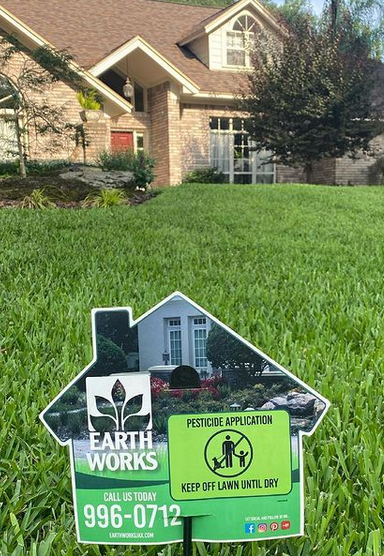
Lawn Spray sign

LAWN CARE PRO TIP

If your lawn has just been sprayed for pests, weeds or fertilization, please keep children and pets off the turf for at least 2 hours, or until the grass is completely dry to the touch. This helps avoid irritation and ensures the product has been absorbed properly.

Services

  • Landscape Design & Installation
  • Paver Patios, Paver Walkways, Paver Driveways
  • Firepits, Retaining Walls , Seat Walls,
  • Landscape Lighting, Drainage design & Installation,
  • Lawn Care Services, Lawn Maintenance, Lawn Fertilization
  • Lawn Pest Control, Lawn Weed Control
  • Aeration and Top Dressing
  • Water Features, Koi Ponds,
  • Waterfalls, Bubbling Fountains
  • Garden Center & Pond Supply Store

General Services Areas

Jacksonville (Jax), Jacksonville Beach, Neptune Beach, Atlantic Beach, Ponte Vedra Beach, Ponte Vedra, Fernandina Beach, Amelia Island, Orange Park, St. Johns, Nocatee

Location

GARDEN CENTER
12501 Beach Blvd
Jacksonville, FL 32246

LANDSCAPE OPERATIONS
(not open to the public)
St. Johns Bluff
1057 St. Johns Bluff Rd. N.
Jacksonville, FL 32225

Hours

Monday-Saturday 9-5
Sunday 10-5

HOLIDAY CLOSINGS
New Year’s Day • Easter • Memorial Day
July 4th • Labor Day • Thanksgiving Day
Christmas Eve • Christmas Day

Lawn & Garden Tips March 2025

Lawn & Garden Tips March 2025

Introducing the Earth Works Lawn & Garden Monthly!

We’re excited to bring you a monthly dose of expert advice to help your lawn, landscape, and garden thrive year-round! Each issue will feature timely tips and answers to common questions from our seasoned pros: Matthew Barlow – Earth Works Garden Center Manager. Chad Lakin – Earth Works Lawn Maintenance Operations Manager. Stay tuned for practical, experience-backed guidance to keep your outdoor spaces looking their best!

Have a question? We’ve got answers! ✅

Matt Barlow 1

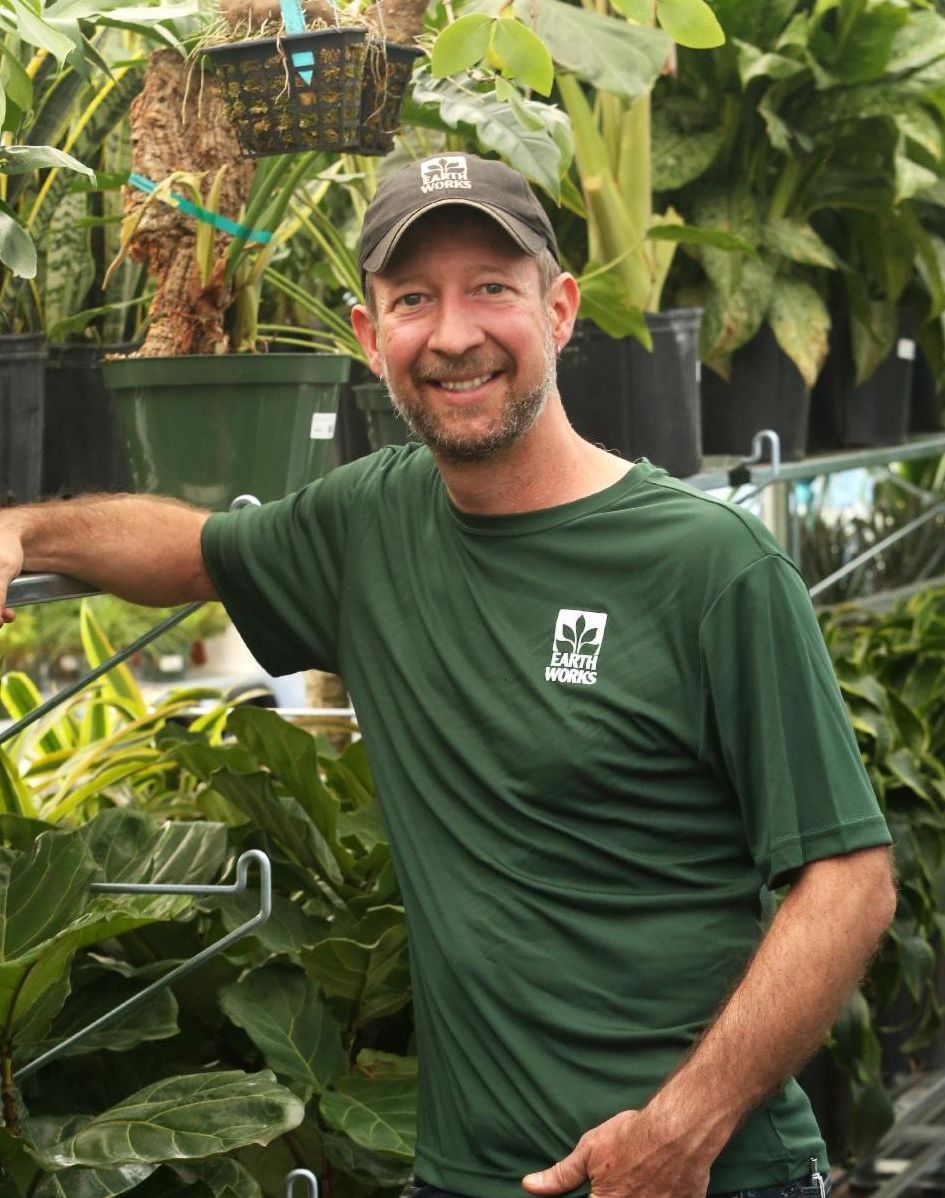
Matthew Barlow

Garden Center Manager

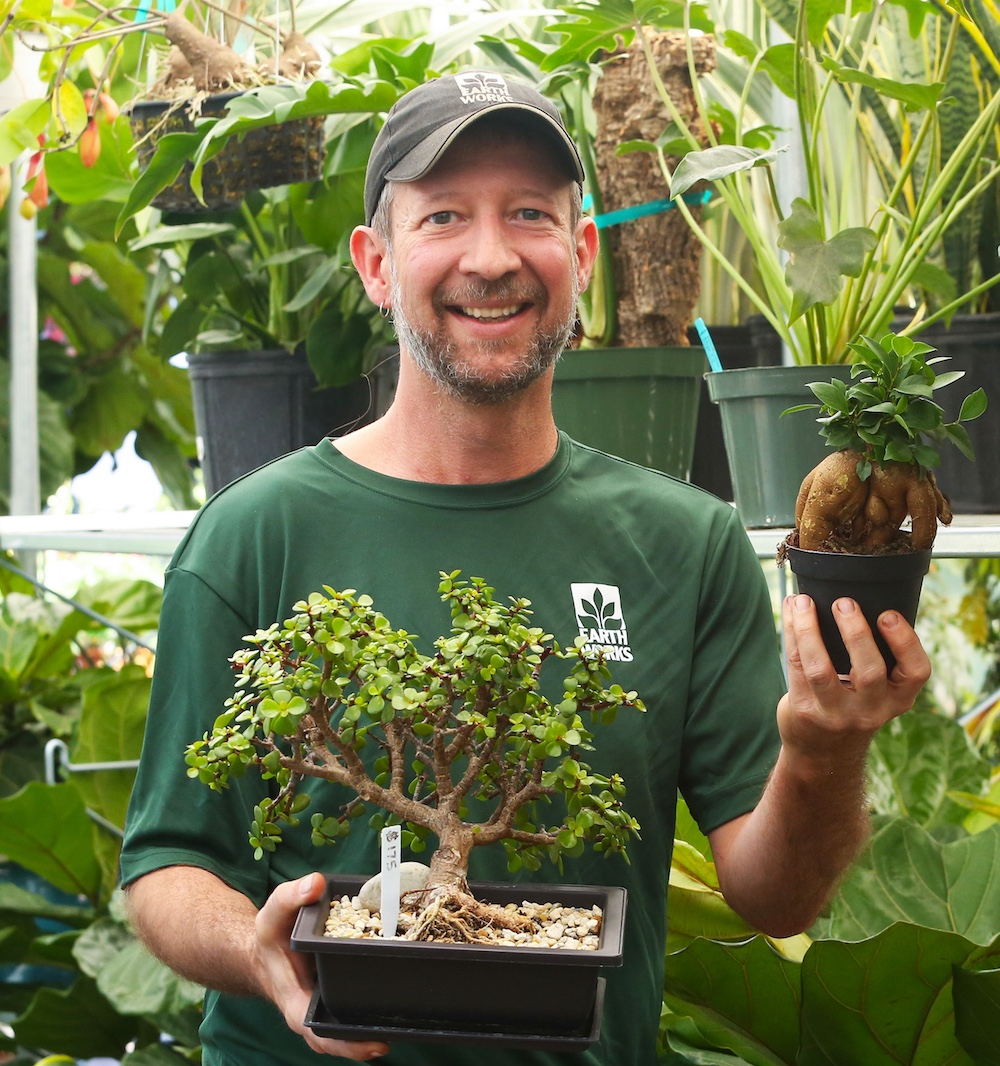
Matt moved to Northeast Florida over twenty years ago after being bitten by the “plant bug” in a greenhouse in Houston, Texas. Since then he has been passionate about learning as much as he can about every plant he encounters. In his free time he relaxes in his backyard while tending to his vegetable garden and bonsai trees.

Matthew’s Garden Tips

Fertilizing Made Simple

Hey everyone, it’s Matthew from Earth Works! Let’s break down fertilization to help you feed your plants effectively.

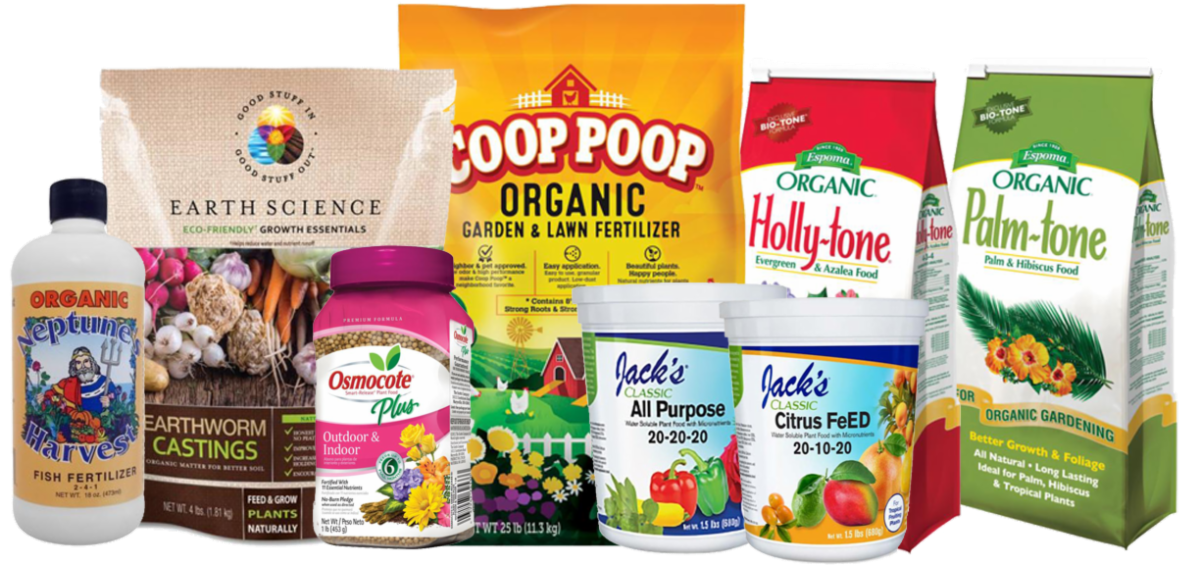
Fertilizers 1

1. Understanding Fertilizers

  • Synthetic vs. Organic:
  • Synthetic Fertilizers feed the plant directly.
  • Organic Fertilizers feed both the plant and the soil, promoting a thriving ecosystem similar to how nature works.
  • Solid vs. Liquid Fertilizers:
  • Granular (Slow Release): Provides nutrients over time.
  • Liquid (Water-Soluble): Offers immediate absorption for quick results.

2. The Golden Rules of Fertilizing

✅ Follow Instructions – More is NOT better! Overuse can burn plants.

✅ Stick to a Schedule – If the label says quarterly, fertilize quarterly. If it’s weekly, stay consistent.

✅ Place Granular Fertilizer Correctly – Avoid dumping it at the trunk; instead, apply it around the outer canopy where feeder roots grow.

3. Creating a Balanced Feeding Plan

For healthy, thriving plants, use a combination of fertilizers:

  • Planting Time: Mix in Biotone for root stimulation.
  • Slow Release: Apply a granular fertilizer like Dynamite once a year.
  • Weekly Boost: Use a water-soluble fertilizer like fish emulsion (organic) or Jack’s 20-20-20 (synthetic) for rapid absorption.
  • Houseplants & Exotics: Use liquid fertilizers formulated for specific plant types (e.g., citrus, palms, or flowering plants).

4. Special Tips

  • Sick or stressed plants? Use liquid fertilizers for quick recovery.
  • For maximum growth in veggies & herbs: Weekly feeding helps them reach maturity faster.
  • Foliage Feeding: Plants absorb nutrients through leaves, so spray both the leaves and soil for the best results.

Find the Right Fertilizer at Earth Works

We carry a wide range of organic, synthetic, hybrid, solid, and liquid fertilizers. Stop by and chat with me, Matthew—I’d love to help you find the perfect fertilizer for your plants!

Matthew’s Garden Tips

A Simple Guide to Spring Vegetable Gardening


Growing your own vegetables can be an incredibly rewarding experience, but in Florida’s sandy soil, it takes the right approach to be successful. Earth Works Garden Center Manager Matthew Barlow shares his lessons learned from years of trial and error, so you can grow healthy, thriving vegetables with confidence.

1. Start with the Soil

The secret to a successful garden? Great soil. Florida’s sandy ground lacks the nutrients and structure vegetables need to thrive. Whether you’re growing in containers, raised beds, or in-ground plots, you need rich, composted soil to support healthy plants.

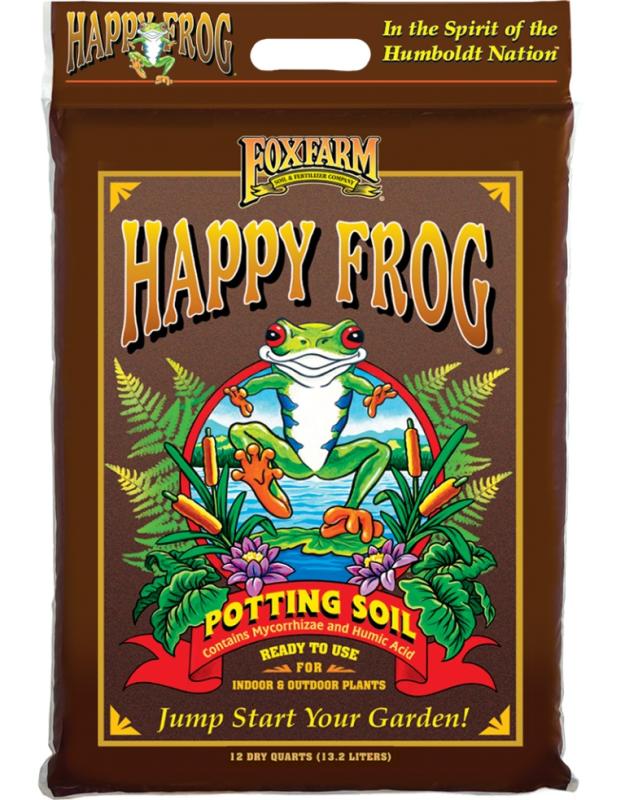
  • Containers: Use high-quality potting soil like FoxFarm Happy Frog for the best results.
  • Raised Beds: A 4×8’ raised bed with 12” of nutrient-rich soil is an ideal starting point. Use a bulk compost/soil mix for affordability.
  • In-Ground Gardens: If planting directly in the ground, amend the soil heavily with compost, organic matter, and slow-release organic fertilizers.

2. Watering & Feeding

  • Check soil moisture before watering. If the soil is dry, water deeply. If it’s still damp, wait. Overwatering can cause root rot.
  • Use organic fertilizers like Biotone Starter Plus to improve soil health and boost plant growth.
  • Apply liquid fertilizers weekly. Foliar feeding (spraying nutrients directly onto leaves) gives plants an immediate boost, especially in Florida’s extreme heat.

3. Managing Pests & Disease


Florida’s heat and humidity create the perfect environment for pests and fungal diseases.

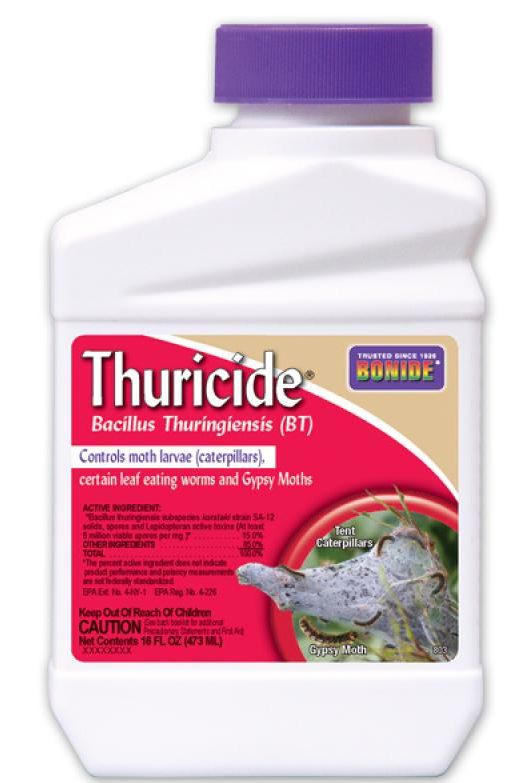
  • Caterpillar Control: Use Bacillus thuringiensis (BT), a natural bacteria that targets leaf-eating caterpillars.
  • Fungal Prevention: Copper fungicide helps prevent mildew and blight. Apply before problems arise.
  • Encourage Pollinators & Beneficial Insects: Companion planting and organic gardening help keep pests in check.

4. Grow What You Love & Experiment!

Try heirloom and unique vegetable varieties to keep things interesting. Baker Creek Seeds and Southern Exposure Seed Exchange offer a great selection of rare and Florida-friendly options.

Best Vegetables & Herbs to Plant This Spring

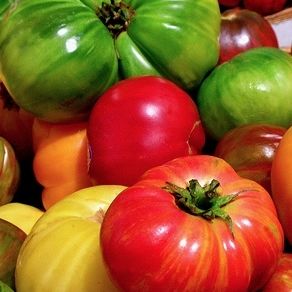
tomato

✅ Tomatoes – Start early for best results

✅ Peppers – Bell, jalapeño, banana, and more thrive in warm weather

✅ Cucumbers – Perfect for trellises and raised beds

✅ Squash & Zucchini – Fast-growing and productive

✅ Green Beans – Easy to grow, bush and pole varieties

✅ Eggplant – Loves the heat and produces all summer

✅ Okra – A summer staple that thrives in Florida’s climate

✅ Basil – Loves warm weather and pairs perfectly with tomatoes

✅ Cilantro – Plant early before the heat sets in

✅ Dill – Great for pickling and attracts pollinators

✅ Oregano – Thrives in warm, dry conditions

✅ Rosemary – Heat-tolerant and a great perennial herb

✅ Thyme – Low maintenance and flavorful

✅ Mint – Best grown in containers

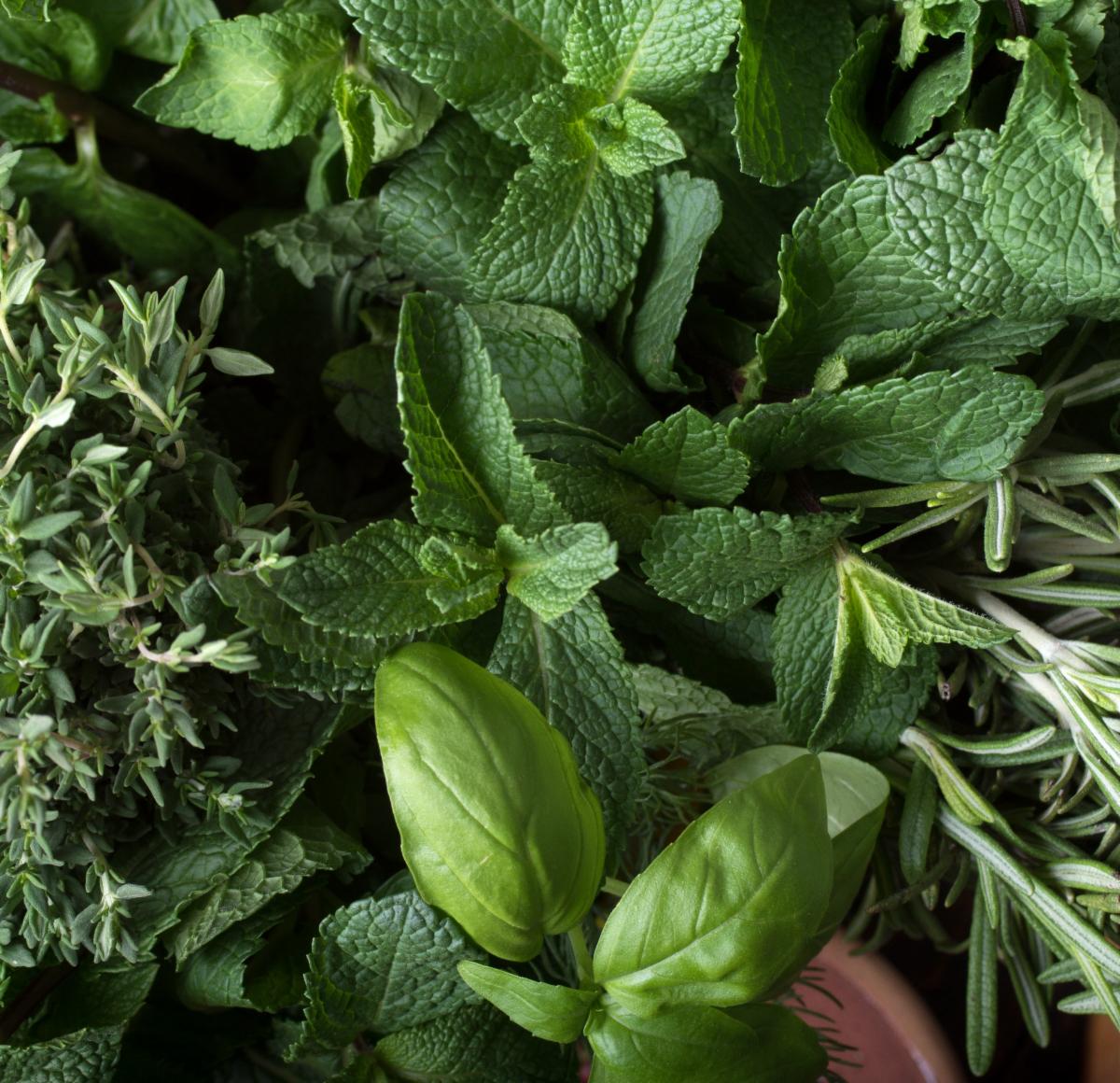
Herbs
Chad L Best IMG 7173

Chad Lakin

Lawn Maintenance Operations Manager

Chad has been a dedicated member of Earth Works for nine years, serving as the Licensed Certified Operator. With over 20 years of experience in the industry, he brings extensive expertise in operations and maintenance. Chad attended the University of North Florida (UNF) and continues to play a vital role in ensuring efficiency and excellence at Earth Works.  

Screenshot 2025 07 14 at 3.34.20 PM

Services

  • Landscape Design & Installation
  • Paver Patios, Paver Walkways, Paver Driveways
  • Firepits, Retaining Walls , Seat Walls,
  • Landscape Lighting, Drainage design & Installation,
  • Lawn Care Services, Lawn Maintenance, Lawn Fertilization
  • Lawn Pest Control, Lawn Weed Control
  • Aeration and Top Dressing
  • Water Features, Koi Ponds,
  • Waterfalls, Bubbling Fountains
  • Garden Center & Pond Supply Store

General Services Areas

Jacksonville (Jax), Jacksonville Beach, Neptune Beach, Atlantic Beach, Ponte Vedra Beach, Ponte Vedra, Fernandina Beach, Amelia Island, Orange Park, St. Johns, Nocatee

Location

GARDEN CENTER
12501 Beach Blvd
Jacksonville, FL 32246

LANDSCAPE OPERATIONS
(not open to the public)
St. Johns Bluff
1057 St. Johns Bluff Rd. N.
Jacksonville, FL 32225

Hours

Monday-Saturday 9-5
Sunday 10-5

HOLIDAY CLOSINGS
New Year’s Day • Easter • Memorial Day
July 4th • Labor Day • Thanksgiving Day
Christmas Eve • Christmas Day
Landscape Spotlight–April 2025

Landscape Spotlight–March 2025

Water Gardening -February 2025

Landscape Spotlight-February 2025

Camellias Bring Year-Round Elegance to Your Garden in North Florida

Camellias Bring Year-Round Elegance to Your Garden in North Florida

Camellias have been a fixture in Southern gardens for a long time, and for good reason. They bloom when almost nothing else does, they stay green all year, and they carry themselves with a kind of quiet confidence that makes them easy to build a garden around. If you’ve been looking for a plant that earns its space in a Northeast Florida yard through every season, camellias are worth a serious look.

Why Camellias Work So Well in Northeast Florida

Most flowering plants peak in spring or summer and go quiet when the weather cools. Camellias do the opposite. Their blooms arrive in fall, winter, and early spring, which means they’re putting on a show exactly when the rest of your garden has gone dormant.

They’re evergreen too, so even when they’re not in bloom, you’re getting dense, dark green foliage year-round. For hedges, foundation plantings, or a specimen plant that anchors a corner of the yard, that kind of reliable structure is genuinely useful.

Camellias are well-suited to Northeast Florida’s climate. They prefer the humidity, tolerate our mild winters without complaint, and thrive in the acidic, well-draining soil that’s common throughout the region.

Understanding Camellia Varieties Common to Northeast Florida

The two varieties you’ll encounter most often are Camellia japonica and Camellia sasanqua. They’re related, but they behave differently enough that it’s worth knowing which one you’re working with.

Two large red Camellia japonica blooms with buds on a shrub in Northeast Florida

Camellia japonica

Camellia japonica produces the larger, showier blooms most people picture when they think of a camellia. Flowers appear from late winter into early spring. Japonicas prefer partial shade and grow more slowly, making them a natural choice as a focal point or specimen plant. They can eventually get quite large, so give them room.

Camellia sasanqua

Camellia sasanqua blooms earlier, from late fall into winter, and carries smaller flowers. Sasanquas are more sun-tolerant than japonicas and tend to have a tighter, more compact growth habit, which makes them useful as hedges or screening plants. They’re also a bit more forgiving if your site gets more direct sun than is ideal for their japonica cousins.

Both are evergreen, and both reward you with year-round foliage in addition to their seasonal blooms. If you’re not sure which fits your space better, stop in, and we can help you figure it out.

Pink Camellia sasanqua flowers and buds with prominent yellow stamens on dark foliage
Hands holding freshly harvested Camellia sinensis tea leaves

Camellia sinensis: the additional option that you can drink

Most people don’t realize that the tea in their cup comes from a camellia. Camellia sinensis is the species behind green, black, and oolong teas. The leaves are harvested, dried, and processed differently depending on the type of tea being made.

Unlike the ornamental varieties, Camellia sinensis is grown for its foliage rather than its flowers. It thrives in warm, humid climates with acidic soil, which makes Northeast Florida a reasonable place to try growing it. It won’t give you the big showy blooms of a japonica or sasanqua, but if you’re interested in a working tea garden, it’s a surprisingly viable option for this part of Florida. Camellia sinensis is hardy in zones 7 through 9, so Jacksonville’s climate is within range.

White camellia flower in bloom during springtime. Beautiful flowers in the garden

Planting Camellias in Jacksonville

Camellias prefer well-drained, slightly acidic soil with a pH between 5.8 and 6.5. If you’re not sure where your soil stands, it’s worth testing before you plant. Our area’s naturally sandy, acidic soil is often a good starting point, but it varies.

Choose a spot with dappled sunlight or morning sun and afternoon shade. Too much direct sun, especially the intense afternoon exposure we get from June through October, can scorch camellia leaves and stress the plant during its growing season.

When you’re ready to plant, dig a hole twice as wide as the root ball but no deeper than the original container. Camellias like to sit slightly above ground level to keep drainage working in their favor. Water thoroughly after planting and lay down a few inches of mulch around the base to hold moisture and keep the roots cool.

gardening in jacksonville fl

Camellia Care: Watering, Fertilizing, and Pruning

Once established, camellias are relatively low-maintenance, though a little attention in the early going pays off. A few things worth knowing:

Watering: Camellias like consistent moisture but not wet feet. Water regularly during dry periods for the first season or two while the plant is getting established. Once the roots are settled, they’re fairly drought-tolerant and need much less attention.

Fertilizing: Feed camellias in late winter or early spring after they’ve finished blooming. Use a fertilizer formulated for acid-loving plants and follow the application rates on the label. Over-fertilizing pushes foliage at the expense of blooms, and it can burn the roots. If you are in need of a fertilizer that works, you can find what you need at our Garden Center.

Pruning: Light pruning right after bloom is all most camellias need. Remove any dead or damaged branches, clean up the shape if needed, and let the plant do its thing. Avoid heavy pruning, which can reduce next season’s flowering.

Find the Right Camellia for Your Garden

Earth Works Garden Center carries camellias along with the amendments, fertilizers, and everything else your garden needs to get them established and thriving. Our team knows these plants well and can point you toward the right variety for your specific conditions.
Visit us at our Beach Blvd. location. Come by and take a look at what’s in stock.

Frequently Asked Questions about Growing Camellias in Northeast Florida

Do camellias grow well in Jacksonville, FL?

Yes. Camellias are well-suited to Northeast Florida’s climate. They prefer humidity, tolerate mild winters, and thrive in the slightly acidic, well-draining soil common throughout the region. Both Camellia japonica and Camellia sasanqua perform reliably here.

When do camellias bloom in North Florida?

It depends on the variety. Camellia sasanqua blooms from late fall into winter. Camellia japonica follows in late winter through early spring. Together, they can give you blooms from October through March, which is exactly when most other plants have gone quiet.

How much sun do camellias need?

Dappled light or morning sun with afternoon shade is ideal. Too much direct sun, particularly the intense afternoon exposure common in Northeast Florida from summer into early fall, can scorch leaves and stress the plant. Japonicas are pickier about shade than sasanquas.

What soil do camellias prefer?

Well-drained, slightly acidic soil with a pH between 5.8 and 6.5. Jacksonville’s naturally sandy, acidic soil is often a decent starting point. If your beds have been heavily amended or you’ve had drainage issues, it’s worth testing the soil before you plant.

How do I keep my camellia blooming well?

Consistent moisture during dry periods, a yearly application of acid-formulated fertilizer after bloom, and light pruning right after flowering are the basics. Avoid over-fertilizing with nitrogen-heavy products, which push foliage growth at the expense of flowers.

What's the difference between Camellia japonica and Camellia sasanqua?

Japonicas bloom later (late winter to early spring), produce larger flowers, and prefer more shade. Sasanquas bloom earlier (fall into winter), have smaller flowers, tolerate more sun, and work well as hedges or screens. Both are evergreen. If you’re not sure which fits your space, it comes down to your light conditions and what role you want the plant to play.

Can I grow a tea plant in Northeast Florida?

Camellia sinensis, the species used to make green, black, and oolong teas, is hardy in zones 7 through 9, which includes Jacksonville. It prefers the same acidic, well-draining soil as ornamental camellias and handles our humidity well. It won’t give you showy blooms, but it’s a viable option if you’re interested in a working tea garden.

Services

  • Landscape Design & Installation
  • Paver Patios, Paver Walkways, Paver Driveways
  • Firepits, Retaining Walls , Seat Walls,
  • Landscape Lighting, Drainage design & Installation,
  • Lawn Care Services, Lawn Maintenance, Lawn Fertilization
  • Lawn Pest Control, Lawn Weed Control
  • Aeration and Top Dressing
  • Water Features, Koi Ponds,
  • Waterfalls, Bubbling Fountains
  • Garden Center & Pond Supply Store

General Services Areas

Jacksonville (Jax), Jacksonville Beach, Neptune Beach, Atlantic Beach, Ponte Vedra Beach, Ponte Vedra, Fernandina Beach, Amelia Island, Orange Park, St. Johns, Nocatee

Location

GARDEN CENTER
12501 Beach Blvd
Jacksonville, FL 32246

LANDSCAPE OPERATIONS
(not open to the public)
St. Johns Bluff
1057 St. Johns Bluff Rd. N.
Jacksonville, FL 32225

Hours

Monday-Saturday 9-5
Sunday 10-5

HOLIDAY CLOSINGS
New Year’s Day • Easter • Memorial Day
July 4th • Labor Day • Thanksgiving Day
Christmas Eve • Christmas Day
Essential Tips for a Thriving Summer Garden in North Florida

Essential Tips for a Thriving Summer Garden in North Florida

Gardening in North Florida during the summer can be challenging due to the intense heat and humidity. However, with the right strategies, you can maintain a thriving summer garden that not only survives but flourishes. In this guide, we’ll explore essential summer garden tips, including the best shade trees for Florida, how to care for St. Augustine grass, the benefits of water features, and effective pest control methods.

Creating Shade with Florida-Friendly Trees

Shade trees are crucial for any North Florida gardening plan, especially during the summer months. The right trees can provide natural cooling, reduce water evaporation, and protect your plants from the harsh sun.

Live Oak

Live Oak

The Live Oak is a classic Southern tree known for its sprawling branches and dense canopy, providing excellent shade for large areas. Its impressive longevity and resilience make it a staple in North Florida landscapes. With its ability to tolerate heat, drought, and strong winds, it is perfectly suited for the region’s challenging climate, adding both beauty and practicality to any shade garden.

Southern Magnolia

The Southern Magnolia is a true icon of the South, known for its large, fragrant white flowers and glossy, evergreen leaves. This tree not only provides ample shade but also adds year-round beauty to any garden. Its deep roots make it drought-resistant, while its dense canopy offers excellent cooling.

Tall magnolia
Florida Flame Maple


Florida Flame Maple

Known for its vibrant red foliage in the fall, the Red Maple is a fast-growing tree that provides excellent shade. It thrives in Florida’s climate and can adapt to various soil types, making it a versatile choice for many landscapes.

Bald Cypress

A native to Florida’s wetlands, the Bald Cypress is well-suited to both wet and dry conditions. This deciduous conifer is unique in its ability to thrive in waterlogged soils, making it perfect for areas prone to flooding. Its soft, feathery foliage creates a light, airy shade that cools without overly darkening the landscape.

Bald cypress

By planting shade trees, you can significantly improve your garden’s resilience during the hottest months, making them a key component of your summer garden tips.

Add a Splash of Cool with Water Features

Incorporating water features in your garden is another excellent way to combat the Florida heat. Ponds, fountains, and water gardens not only cool the surrounding air but also add visual interest and attract wildlife.

How To Do A Pond Leak Test

Ponds

Create a stunning centerpiece for your garden with a pond that not only enhances the aesthetic appeal but also cools the air through natural evaporation. By adding aquatic plants like water lilies and lotus, which are well-suited to Florida’s heat, you can keep the water cooler while also introducing vibrant colors and serene beauty to your landscape.

FOUNTAINS

The sound of water from a fountain adds a soothing element to your garden while also cooling the air.

Bubbbling Fountain
Water Lily


WATER GARDENS

Cultivating aquatic plants like water lilies and aquatic grasses around a water feature can create a beautiful, low-maintenance area in your garden.

Water features in the garden are not only functional but also enhance the aesthetic appeal of your outdoor space, making them a great addition to your North Florida gardening strategy.

Caring for St. Augustine Grass

St. Augustine grass is a popular choice for lawns in Florida, but it requires specific care to thrive during the summer. Proper lawn care in Florida involves understanding the unique needs of this grass type.

lawn care jacksonville fl
Florida Winterizer Fertilization
chinch damage

Watering St. Augustine grass needs deep, infrequent watering to encourage deep root growth, which is essential for surviving the Florida heat.

Mowing Set your mower to a height of 3.5 to 4 inches to keep the grass blades tall, providing natural shade for the soil.

Pest Control Chinch bugs are a common pest in St. Augustine grass. Regular monitoring and appropriate garden pest control measures are essential to prevent infestations.

By following these summer garden tips, you can maintain a healthy and green lawn even in the harshest conditions.

Choosing the Right Shade Garden Plants

Creating a shade garden is a smart way to utilize shaded areas in your North Florida garden. Shade garden plants thrive in lower light conditions and can add lush greenery to your landscape.

By selecting the right shade garden plants, you can create a cool, inviting space that complements the rest of your landscape.

Hosta Plant
caladiums
beacon impatiens
Hydrangea

Hostas

These plants are known for their large, colorful leaves and are ideal for filling in the lower layers of your shade garden.

Caladiums

 With their vibrant, heart-shaped leaves, Caladiums bring a splash of color to any shaded spot in your garden.

Impatiens

 Impatiens are vibrant, low-maintenance flowers that thrive in full to partial shade, offering continuous blooms in a variety of bright colors throughout the growing season.

Hydrangeas

 Hydrangeas thrive in partial shade, producing large, colorful flower clusters in shades of blue, pink, and white. They add lush beauty to shaded areas, blooming beautifully in moist, well-drained soil.

Final Thoughts on North Florida Gardening

Successfully gardening in North Florida during the summer requires a thoughtful approach that includes the right plants, trees, and features to withstand the heat. From planting shade trees for Florida-friendly cooling to incorporating water features in the garden and providing proper lawn care in Florida, these strategies will help you create a thriving summer garden. By following these essential tips, you can enjoy a beautiful, resilient garden all season long.

Services

  • Landscape Design & Installation
  • Paver Patios, Paver Walkways, Paver Driveways
  • Firepits, Retaining Walls , Seat Walls,
  • Landscape Lighting, Drainage design & Installation,
  • Lawn Care Services, Lawn Maintenance, Lawn Fertilization
  • Lawn Pest Control, Lawn Weed Control
  • Aeration and Top Dressing
  • Water Features, Koi Ponds,
  • Waterfalls, Bubbling Fountains
  • Garden Center & Pond Supply Store

General Services Areas

Jacksonville (Jax), Jacksonville Beach, Neptune Beach, Atlantic Beach, Ponte Vedra Beach, Ponte Vedra, Fernandina Beach, Amelia Island, Orange Park, St. Johns, Nocatee

Location

GARDEN CENTER
12501 Beach Blvd
Jacksonville, FL 32246

LANDSCAPE OPERATIONS
(not open to the public)
St. Johns Bluff
1057 St. Johns Bluff Rd. N.
Jacksonville, FL 32225

Hours

Monday-Saturday 9-5
Sunday 10-5

HOLIDAY CLOSINGS
New Year’s Day • Easter • Memorial Day
July 4th • Labor Day • Thanksgiving Day
Christmas Eve • Christmas Day
The Native Garden Guide for Northeast Florida

The Native Garden Guide for Northeast Florida

Embracing native plants in Northeast Florida is more than just a landscaping strategy; it’s an investment in the local ecosystem. A native garden provides a natural sanctuary for wildlife, conserves resources, and creates a seamless integration with the regional landscape. This guide will help you understand the practical benefits and beauty of native plant gardening in Jacksonville and beyond.

The Native Philosophy

Why commit to native plants? The reasons are as abundant as the sands on a Floridian shore. Native species like the Saw Palmetto and Walter’s Viburnum have thrived here for millennia, creating a symbiotic masterpiece with local wildlife. They conserve water—precious in every droplet—and stand resilient against pests and diseases, all while offering a buffet for the senses and the local ecosystem.

butterfly on milkweed
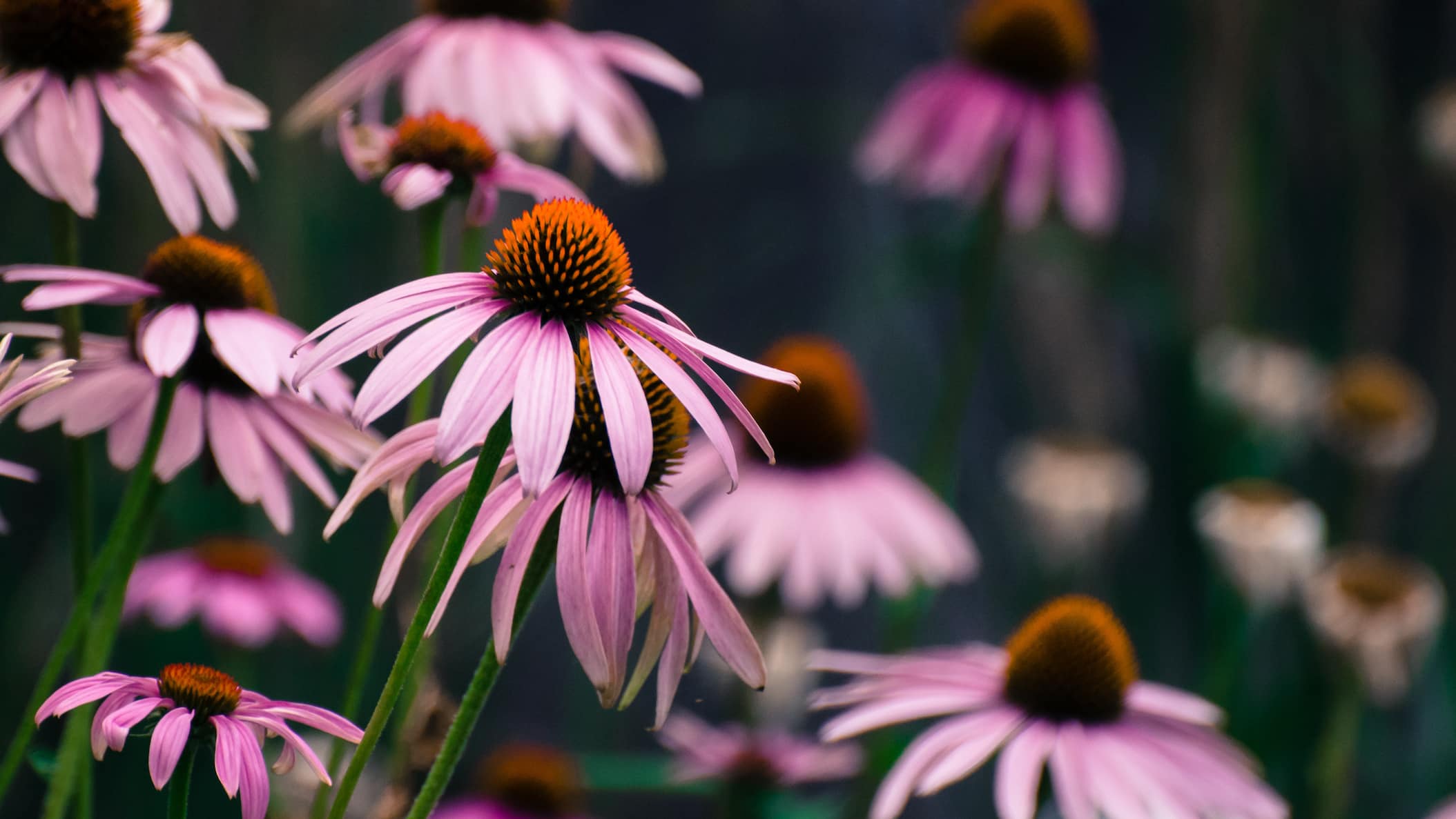
Pink Cone Flowers

The Benefits of Native Plants

 Native plants offer several advantages for gardens in Northeast Florida:

  • Low Maintenance: They are adapted to the local environment, requiring less watering and care.
  • Pest Resilient: These plants have natural resistance to local pests, reducing the need for chemicals.
  • Ecosystem Support: They provide habitats and food sources for local wildlife, fostering biodiversity.
Bee on a flower.

Pollinator’s Paradise

A native garden in Northeast Florida is a sanctuary for pollinators. The Coral Honeysuckle and Butterfly Milkweed are not just plants; they’re lifelines for hummingbirds and monarchs, vital threads in the ecological tapestry. And let’s not overlook the Beautyberry, with its jewel-like fruits, or the Maypop Passion Vine, a climactic display of blossoms and a haven for fauna.

Planting and Maintenance Tips

 To ensure your native garden thrives, follow these tips:

  • Research: Learn the specific needs of each plant, such as sunlight and soil type.
  • Planning: Design your landscape to accommodate the growth patterns and needs of your selected plants.
  • Local Nurseries: Purchase plants from local nurseries to ensure they’re acclimated to the regional climate.
  • Professional Consultation: For tailored advice, consult with landscaping professionals who specialize in native plants.
    Firebush:zebra wing butterfly

    Northeast Florida’s Native Plant Compendium

    Whether you’re a seasoned horticulturist or a beginner with a budding green thumb, this list of native plants will serve as your guide to cultivating a garden that resonates with the natural ecosystem of Northeast Florida:

    Sabal Palm

    Sabal Palm

    (Sabal palmetto)

    Appearance: Fan-shaped leaves, iconic silhouette

    Benefits: State tree, resilient, provides wildlife habitat

    Live Oak

    Live Oak

    (Quercus virginiana)

    Appearance: Majestic, broad canopy

    Benefits: Wildlife habitat, iconic Southern presence

    Southern Magnolia

    Southern Magnolia

    (Magnolia grandiflora)

    Appearance: Large, fragrant white flowers

    Benefits: Evergreen beauty, aesthetic appeal

    Florida Anise

    Florida Anise

    (Illicium floridanum)

    Appearance: Star-shaped red or pink flowers, spicy scent

    Benefits: Shade-loving, deer-resistant

    Walter’s Viburnum

    Walter’s Viburnum

    (Viburnum obovatum)

    Appearance: White spring flowers, red fall foliage

    Benefits: Year-round interest, versatile growth patterns

    Firebush

    Firebush

     (Hamelia patens)

    Appearance: Red-orange tubular flowers

    Benefits: Sun-loving, pollinator-friendly

    Muhly Grass

    Muhly Grass

    (Muhlenbergia capillaris)

    Appearance: Pink to lavender plumes

    Benefits: Drought-tolerant, ornamental grass

    Coontie

    Coontie

    (Zamia integrifolia)

    Appearance: Fern-like with leathery leaves

    Benefits: Drought-tolerant, historical significance

    Beautyberry

    Beautyberry

    (Callicarpa americana)

    Appearance: Vibrant purple berries

    Benefits: Wildlife food source, striking fall and winter color

    Oakleaf Hydrangea

    Oakleaf Hydrangea

    (Hydrangea quercifolia)

    Appearance: White flower clusters, oak-shaped leaves

    Benefits: Attracts pollinators, bold fall coloration

    Fakahatchee Grass

    Fakahatchee Grass

    (Tripsacum dactyloides)

    Appearance: Tall, wispy grass plumes

    Benefits: Texture to landscapes, wildlife-friendly

    Sea Grape

    Sea Grape

    (Coccoloba uvifera)

    Appearance: Broad, round leaves; purple fruits

    Benefits: Salt-tolerant, windbreak, wildlife attractor

    Carolina Jessamine

    Carolina Jessamine

    (Gelsemium sempervirens)

    Appearance: Yellow trumpet flowers

    Benefits: Drought-tolerant, pollinator attractor

    Coral Honeysuckle

    Coral Honeysuckle

    (Lonicera sempervirens)

    Appearance: Tubular red or yellow flowers

    Benefits: Hummingbird and butterfly attractor


    Maypop Passion Vine

    Maypop Passion Vine

    (Passiflora incarnata)

    Appearance: Intricate purple and white flowers

    Benefits: Host plant for butterflies, edible fruit

    Railroad Vine

    Railroad Vine

    (Ipomoea pes-caprae)

    Appearance: Bright purple flowers, sprawling vines

    Benefits: Dune stabilization, sandy soil adaptability

    Sunshine Mimosa

    Sunshine Mimosa

     (Mimosa strigillosa)

    Appearance: Fern-like with leathery leaves

    Benefits: Drought-tolerant, historical significance

    Butterfly Milkweed

    Butterfly Milkweed

    (Asclepias tuberosa)

    Appearance: Vibrant orange to yellow flowers

    Benefits: Monarch butterfly food source and habitat

    Blue Eyed Grass

    Blue Eyed Grass

    (Sisyrinchium angustifolium)

    Appearance: Star-shaped blue flowers

    Benefits: Low-maintenance, adds texture

    Puple Coneflower

    Puple Coneflower

    (Echinacea purpurea)

    Appearance: Pink-purple petals with a central cone

    Benefits: Immune-boosting properties, attracts pollinators


    Black-eyed Susans

    Black-eyed Susans

    (Rudbeckia hirta)

    Appearance: Bright yellow petals with a dark brown center

    Benefits: Drought-resistant, supports pollinators

    Blazing Star

    Blazing Star

    (Liatris spicata)

    Appearance: Tall spikes of purple flowers

    Benefits: Butterfly attractor, aesthetic appeal

    Tickseed

    Tickseed

    (Coreopsis spp.)

    Appearance: Bright yellow blossoms

    Benefits: State wildflower, butterfly attractor

    Blue Porterweed

    Blue Porterweed

    (Stachytarpheta jamaicensis)

    Appearance: Spiky blooms of deep blue flowers

    Benefits: Attracts butterflies, heat-tolerant

    This collection of plants is just the beginning. Each species selected for your garden contributes to the tapestry of a thriving, sustainable ecosystem that celebrates the essence of Northeast Florida.

    By choosing to grow native, you’re not just enhancing your garden—you’re contributing to the preservation and enrichment of Northeast Florida’s natural heritage. A native garden is a living, evolving space that supports local ecosystems and reflects the unique character of the region. Start your native gardening journey and become a part of the collective effort to nurture the land we call home.

    Services

    • Landscape Design & Installation
    • Paver Patios, Paver Walkways, Paver Driveways
    • Firepits, Retaining Walls , Seat Walls,
    • Landscape Lighting, Drainage design & Installation,
    • Lawn Care Services, Lawn Maintenance, Lawn Fertilization
    • Lawn Pest Control, Lawn Weed Control
    • Aeration and Top Dressing
    • Water Features, Koi Ponds,
    • Waterfalls, Bubbling Fountains
    • Garden Center & Pond Supply Store

    General Services Areas

    Jacksonville (Jax), Jacksonville Beach, Neptune Beach, Atlantic Beach, Ponte Vedra Beach, Ponte Vedra, Fernandina Beach, Amelia Island, Orange Park, St. Johns, Nocatee

    Location

    GARDEN CENTER
    12501 Beach Blvd
    Jacksonville, FL 32246

    LANDSCAPE OPERATIONS
    (not open to the public)
    St. Johns Bluff
    1057 St. Johns Bluff Rd. N.
    Jacksonville, FL 32225

    Hours

    Monday-Saturday 9-5
    Sunday 10-5

    HOLIDAY CLOSINGS
    New Year’s Day • Easter • Memorial Day
    July 4th • Labor Day • Thanksgiving Day
    Christmas Eve • Christmas Day
    Share Your Story!

    Skip to content