
If you’re looking for the easiest vegetables to grow, Florida’s climate offers many good places to start. The state’s long growing calendar, mild winters, and warm summers mean there’s almost always something productive you can put in the ground or in a container on your balcony. This blog covers which simple vegetables to plant across Florida’s two growing seasons, what soil actually works in our sandy ground, and how to get started even if your only outdoor space is an apartment balcony.
Florida Gardening Seasons
Unlike most of the country, Florida doesn’t follow the traditional spring-summer growing model. Knowing which season you’re in is one of the most practical vegetable gardening tips anyone can give a Florida gardener, because what thrives in October is completely different from what survives in July. Understanding the two growing seasons — warm and cool — is the foundation of good gardening in this state.
The Warm Season (Summer)
Florida’s warm season is generally from March through September. During this period, temperatures in Jacksonville frequently climb into the 90s, and the state experiences its heaviest rainfall, particularly from June through September. According to WeatherSpark, Jacksonville averages daily highs above 90°F from June through August, with high humidity throughout. For vegetable gardening, this means heat-tolerant crops that can handle direct sun and heavy afternoon rain are your best bet.
The Cool Season (Fall to Spring)
Florida’s cool season runs roughly from October through February. Temperatures in Northeast Florida during this period average daily highs in the 60s and 70s, with occasional freezes possible in January and February, according to the Wikipedia overview of Florida’s climate. For gardeners, this is actually a prime window. Leafy greens, root vegetables, and cool-weather crops that would turn bitter and stop producing in summer heat (a process known as “bolting”) thrive in Florida’s mild winters. Many gardeners find the cool season easier and more productive than summer.
The Easiest Vegetables To Grow In Your Florida Home
Here are ten simple vegetables to plant across Florida’s two growing seasons. Each one is selected for being forgiving, productive, and well-suited to Florida’s conditions, whether you’re a first-time gardener or just getting back into it.
Warm Season Vegetables
Bell Peppers
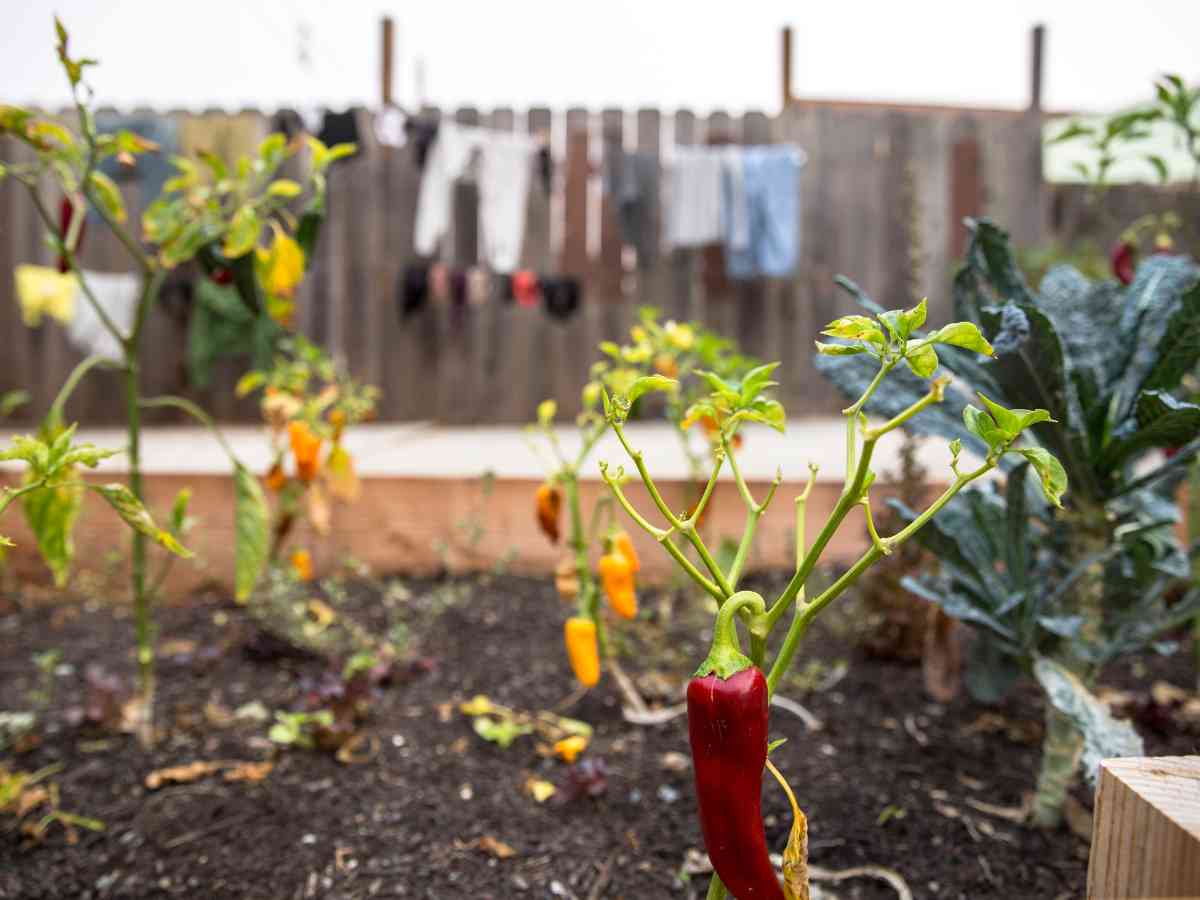
Bell peppers are one of the most rewarding warm-season crops for Florida gardeners. They prefer full sun and consistent moisture, and perform well in containers or raised beds. Transplants are recommended over direct seeding, and most varieties take 70 to 90 days from transplant to harvest. UF/IFAS recommends planting bell peppers in North Florida between February and April for the best results.
Sweet Potatoes
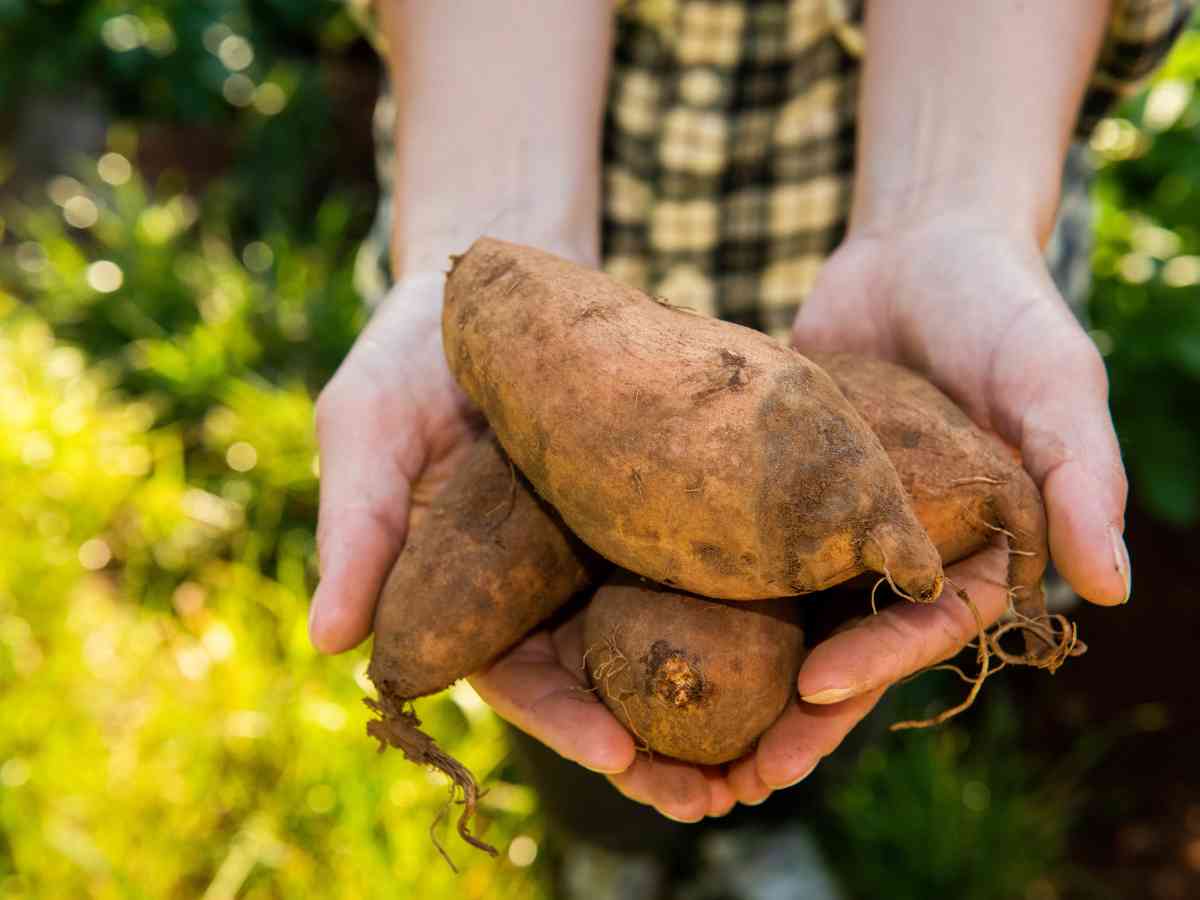
Sweet potatoes handle Florida’s summer heat better than almost any other crop. They’re drought-tolerant, spread quickly, and require little care once established, making them one of the top vegetables that require little care on this list. Plant slips (rooted cuttings) after the last frost. In North Florida, that’s typically between March and June. They take about 100 to 120 days to mature and are harvested in fall.
Eggplant
Eggplant loves Florida summers. This fruit is also heat-tolerant, productive, and relatively pest-resistant compared to other nightshades. Plant transplants in North Florida between February and March, or again in August for a fall crop. Varieties like ‘Dancer’ and ‘Black Beauty’ are proven performers in our climate.
Okra
Okra performs exceptionally well in Florida summers. It’s one of the quickest growing vegetables you can plant, often ready to harvest 50 to 65 days from seed. Direct sow after soil temperatures reach at least 65°F and harvest pods when they’re 3 to 4 inches long for the best texture and flavor.
Black-Eyed Peas
Black-eyed peas are a Florida garden staple for good reason. They grow fast, fix nitrogen in the soil, and handle summer heat well. Direct sow seeds in late spring after the last frost date. They’re ready to harvest as shell peas in about 60 to 70 days, or let them dry on the vine for dried beans.
Cool Season Vegetables
Tomatoes
In Florida, tomatoes are actually a cool-season crop. Plant transplants in North Florida between January and March, or again in August and September for a fall crop. Summer heat causes blossom drop, so timing is everything. Look for heat-tolerant varieties like ‘Solar Fire’ or ‘Heatmaster’ for the best results in our climate.
Lettuce
Lettuce is one of the simplest vegetables to plant during Florida’s cool season. Many varieties are ready to harvest in 45 to 60 days, and cut-and-come-again types give you multiple harvests from a single planting. Direct sow or transplant starts from October through February in North Florida. Loose-leaf varieties like ‘Black Seeded Simpson’ and ‘Red Sails’ perform especially well here.
Kale
Kale is one of the most productive cool-season crops in Florida. It tolerates light frost, produces over a long harvest window, and actually improves in flavor after a cold snap. Sow seeds or transplant starts from September through February. Varieties like ‘Lacinato’ (dinosaur kale) and ‘Red Russian’ are reliable producers in Northeast Florida.
Collard Greens
Collard greens are a Florida classic. They’re tough, productive, and one of the more heat-tolerant leafy greens you can grow, though they perform best in the cool season. Plant from September through January in North Florida. Harvest continuously by picking outer leaves, and they’ll keep producing through most of the winter.
Radishes
Radishes are the ultimate quick growing vegetable for impatient gardeners. Some varieties are ready to harvest in as little as 22 to 25 days from seed. Direct sow from October through February in North Florida. They fill gaps between slower-growing vegetables beautifully and are essentially trouble-free during the cool season.
What Is The Best Soil For A Florida Vegetable Garden?
Florida’s native soil can present a challenge for growing crops. The state’s sandy, porous ground drains too quickly to hold the nutrients and moisture vegetables need to thrive. The fix is straightforward: use a quality amended soil or potting mix rather than planting directly into native sand.
At Earth Works, we carry a range of soils selected specifically for Northeast Florida gardeners. Here are four worth knowing:
FoxFarm Ocean Forest Potting Soil
Ocean Forest is designed for container gardeners. It’s made from a blend of aged forest products, sphagnum peat moss, earthworm castings, bat guano, fish emulsion, and crab meal. The combination gives it a light, aerated texture that drains well while still holding enough moisture for healthy root development.
ProMix Organic Premium Vegetable and Herb Mix
ProMix Organic is formulated specifically for fruits, herbs, and vegetables, which makes it a natural fit for everything in this guide. It works directly in the ground or in containers, and its ingredients include Canadian sphagnum peat moss, peat humus, compost, perlite, gypsum, limestone for pH adjustment, organic fertilizer, and mycorrhizae. Mycorrhizal fungi help plant roots absorb water and nutrients more efficiently, which is especially valuable in Florida’s sandy soil.
FoxFarm Happy Frog Original Potting Soil
Happy Frog is built for container plantings. It includes earthworm castings, bat guano, and aged forest products amended with active soil microbes. The microbe content helps break down organic matter and makes nutrients more accessible to plant roots, which is important in containers where soil biology can deplete quickly.
Wild Earth Mix
Wild Earth Mix is an all-purpose soil available in bags and bulk, suitable for container gardens, raised beds, and use directly in the ground. Ingredients include organic compost, aged forest products, kelp, and peat humus. It’s a versatile option when you need larger volumes of amended soil across multiple beds.
For a deeper look at soil composition and the full range of soils we carry, visit our Good Gardening Soil for Northeast Florida blog.
Growing a Balcony Vegetable Garden
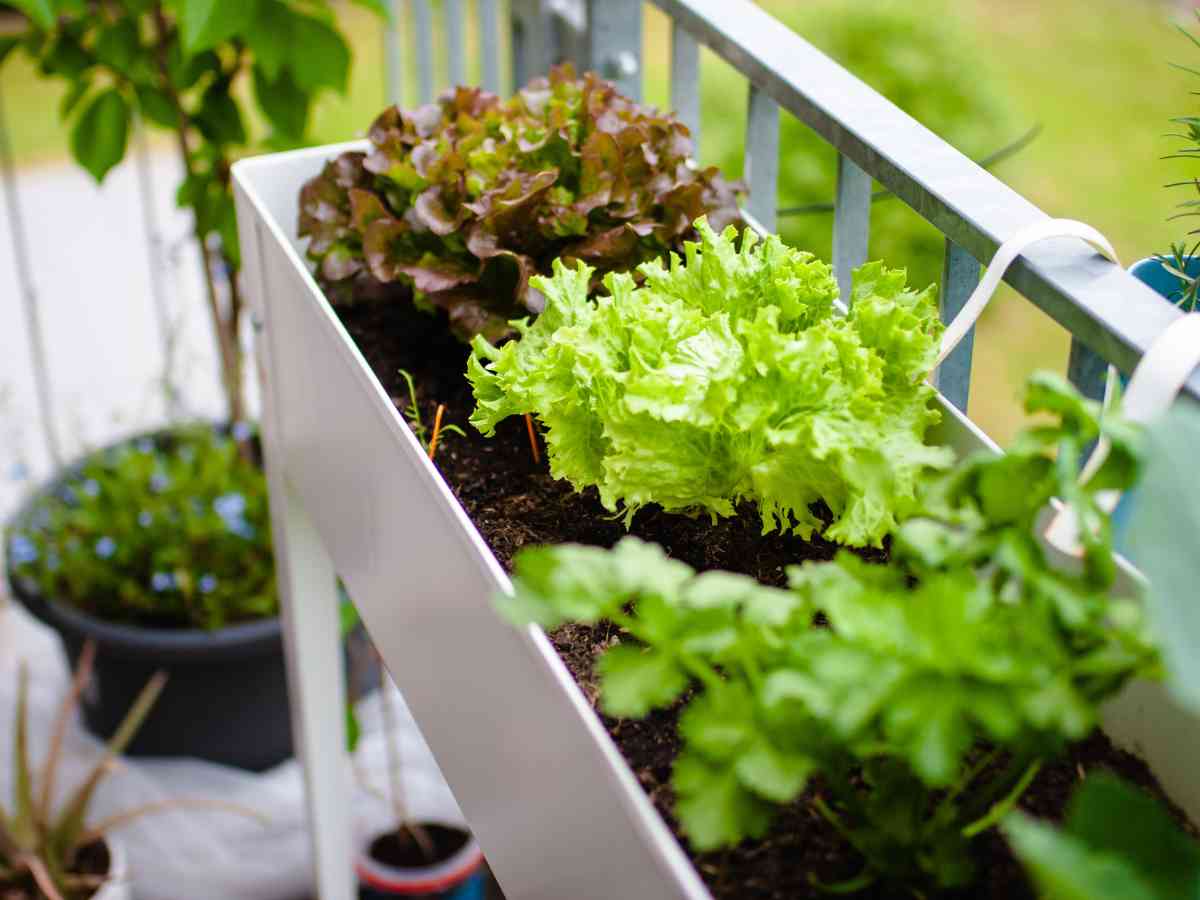
You don’t need a yard to grow your own food. A balcony vegetable garden is completely achievable in Florida. Apartments and condos can support productive container setups with the right plant choices. The key is selecting compact, container-friendly varieties and using a quality potting mix rather than garden soil, which compacts badly in pots.
Herbs
Basil, parsley, chives, and mint grow easily in small pots and are useful year-round in the kitchen. Most herbs prefer full to partial sun and do well in 6 to 8 inch containers with regular watering.
Cherry Tomatoes
Cherry tomatoes are far more forgiving than full-size varieties in containers. Look for compact determinate types like ‘Tumbling Tom’ or ‘Tiny Tim.’ Plant in the cool season (September through March in North Florida) for the best balcony results.
Scallions
Scallions grow quickly, take up almost no space, and can be harvested continuously. A single 6-inch pot can yield a steady supply. Cut at soil level and new growth will follow.
Lettuce
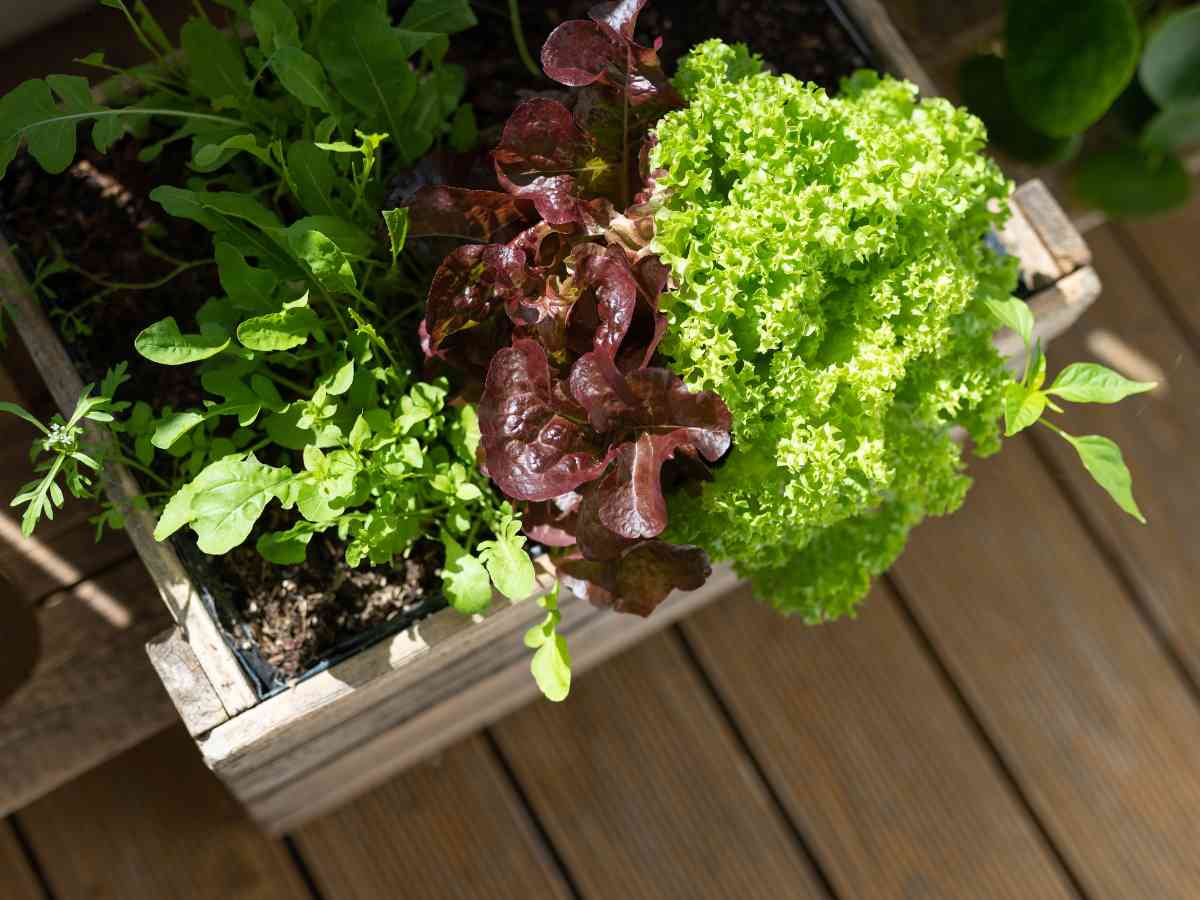
Lettuce is one of the most productive balcony crops during Florida’s cool season. A window box or shallow container works well. Harvest outer leaves as needed and keep it out of direct afternoon sun in warmer months to prevent bolting.
Celery
Celery grows well in containers during Florida’s cool season and doesn’t need much horizontal space. It does need a deep enough pot (at least 8 inches) for its root system, prefers consistent moisture, and appreciates some afternoon shade during the warmest parts of the day.
Start Growing Vegetables in Florida This Season
Florida’s two-season calendar gives you more growing opportunity than most gardeners realize. The easiest vegetables to grow here aren’t the same ones that make sense in Ohio or Oregon. They’re the ones matched to our specific seasons, our heat, and our soil.
In the warm season, okra, sweet potatoes, eggplant, bell peppers, and black-eyed peas thrive with minimal fuss. In the cool season, tomatoes, lettuce, kale, collard greens, and radishes, some of the most simple vegetables to plant anywhere, produce reliably through Florida’s mild winters. Amend your soil, match your crops to your season, and you’re most of the way there.
Ready to get started? Stop by Earth Works Garden Center on Beach Blvd in Jacksonville. Our staff can help you pick the right plants, soils, and supplies for your space, whether you’re putting in a raised bed, planting in the ground, or setting up a balcony vegetable garden. Give us a call at (904) 996-0712.
Happy gardening from Earth Works Gardens!